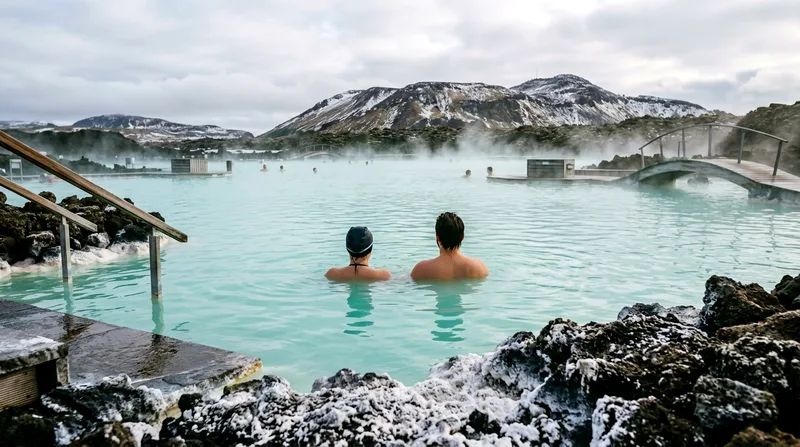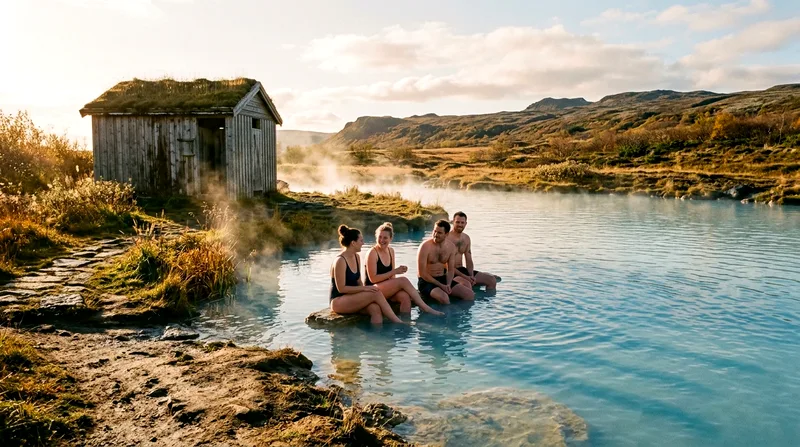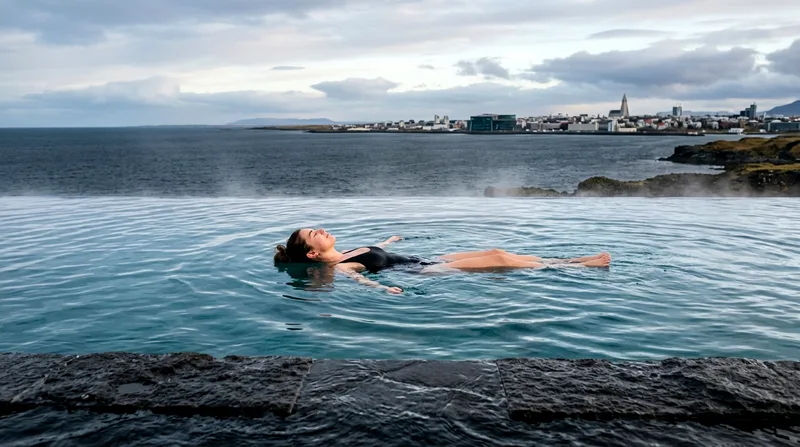
Find blue lagoon cheap tickets with off-peak timing, airport stopover packages, and combo bundles. Learn where to save and what's worth the splurge.
Where Your Blue Lagoon Money Goes
Most people arrive at the Blue Lagoon price page expecting one number and find four or five instead. That's the first shock, and it's worth understanding before you start hunting for blue lagoon cheap tickets — because the "deal" you want is really about avoiding costs you don't need, not finding a secret discount code that doesn't exist.
The attraction runs a tiered admission system, and the gap between the cheapest and priciest tier can run well over 100 euros per person once you add extras. Understanding that structure is the real savings strategy. Nobody is slashing prices at the Blue Lagoon the way a hotel might cut a slow-season rate — there's no clearance sale. What you control is which tier you buy, when you go, and what you add on top.
Entry Ticket Breakdown
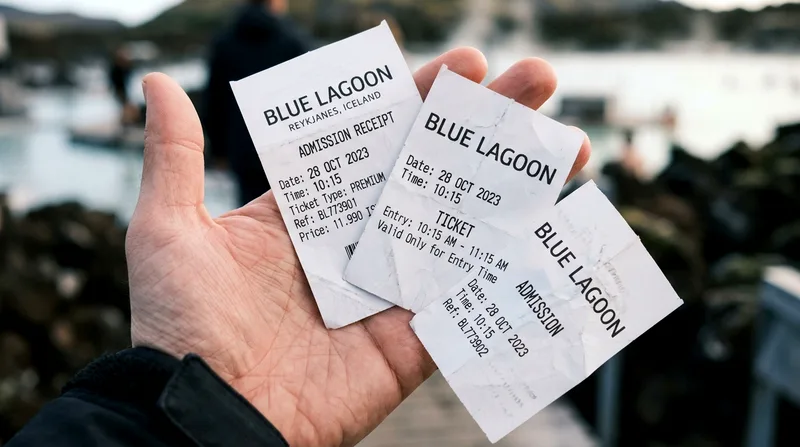
The Blue Lagoon sells admission in tiers, typically called Comfort, Premium, and a retreat-level package tied to the adjoining Silica Hotel. Comfort is the base tier — it includes entry, one silica mud mask application, and a towel. Premium adds a second mask (algae), slippers, a bathrobe, and a drink at the swim-up bar, and runs noticeably higher, often 30-40% above Comfort. The retreat-level package, bundled with Silica Hotel access, is a different category entirely and can cost several times the basic entry fee.
If you're trying to keep costs down, Comfort is the honest answer. The masks and robe in Premium are nice, but none of them are hard to replicate yourself — bring your own flip-flops and a travel towel if you want to skip that line item altogether, though towel rental is cheap enough that skipping it saves only a few euros.
Add-On Costs to Budget
Parking is free, which helps, but almost everything else inside the facility costs extra. A locker is included, but a second towel, a bathrobe, or an extra mud mask application beyond what your tier includes will each add a separate charge at the counter or via the wristband-linked payment system. Food at the in-house café or restaurant is priced like airport dining — a sandwich and coffee can easily run 15-20 euros. Alcoholic drinks at the swim-up bar are sold individually unless your tier includes one, and a single drink typically costs 10 euros or more.
Transport is the add-on people forget to budget. If you're not driving a rental car, a return shuttle bus from Reykjavik or Keflavik Airport adds a real cost — often 40-60 euros round trip per person depending on the operator and route. Factor that into your total before comparing it to, say, a day trip around the Golden Circle, which usually bundles transport into one ticket.
Legitimate Ways to Save on Entry
There's no influencer code or hotel-desk discount that beats the official price — anyone claiming otherwise is usually just reselling a standard ticket. The real savings come from three durable levers: timing, how far ahead you book, and which season you travel in.
Booking an early weekday slot in shoulder season gives you the lowest crowds and best availability without any change in the official ticket price.
Blue Lagoon cheap tickets: comparing timing strategies by cost and crowd level
| Timing Strategy | Crowd Level | Ticket Price Impact | Booking Lead Time |
|---|---|---|---|
| Summer weekend afternoon | Very high | Standard, but tiers sell out fast | 6+ weeks ahead |
| Summer weekday morning | High | Standard | 4-6 weeks ahead |
| Shoulder season weekday morning | Low | Standard | 2 weeks ahead |
| Shoulder season evening | Moderate | Standard | 2-3 weeks ahead |
| Winter weekday morning | Low | Standard, best availability | 1-2 weeks ahead |
| Winter evening (aurora chance) | Moderate | Standard | 2 weeks ahead |
Admission price tiers stay the same across seasons; what changes is availability and crowding, so book earlier for summer and holiday periods.
Off-Peak Timing Advantage
The Blue Lagoon doesn't charge different prices by the hour, but time-of-day still affects your experience and indirectly your spending. Early morning slots, generally the first entry window after opening, see noticeably fewer visitors than midday or early evening. Fewer crowds means less pressure to upgrade to Premium just to get space at the swim-up bar or a quiet corner for photos. Weekday mornings in shoulder months — April, May, September, October — are the sweet spot: good weather odds, manageable crowds, and lower demand on shuttle transport, which sometimes means more availability on standard-fare buses instead of premium transfer add-ons.
Early Booking Discounts
The Blue Lagoon doesn't publish an early-bird discount rate, but booking ahead still saves money indirectly. Popular slots — Saturday afternoons, summer evenings — sell out, and last-minute visitors sometimes end up forced into a higher tier because that's all that's left. Booking four to six weeks ahead for summer visits, or two weeks ahead in shoulder season, gives you access to the full range of tiers and time slots, so you're choosing Comfort because you want to, not because it's the only thing left.
Season-Based Pricing
Ticket prices themselves stay fairly stable year-round, but demand doesn't. Summer (June through August) and the Christmas-New Year window see the highest demand and fastest sellouts, which pushes more travelers into whatever tier is still available — often the pricier one. Visiting in November, January, or March keeps the same admission price but gives you a much better shot at snagging a Comfort slot at your preferred time, and a better shot at the northern lights afterward if skies are clear, which is its own kind of value.
Airport Stopover and Combo Deals
The Blue Lagoon sits almost exactly between Keflavik International Airport and Reykjavik — about 20 minutes from the airport, 45 minutes from the city. That geography is the single biggest cost-saving opportunity most travelers overlook.
Keflavik Airport Packages
If you have a layover of six hours or longer at Keflavik, you can often visit the Blue Lagoon without ever booking a hotel room or a separate Reykjavik transfer. Several shuttle services run routes connecting the airport directly to the lagoon and back, timed around flight schedules, with luggage storage available at the facility. This turns dead layover time into a soak instead of an airport lounge sit — and since you're not paying for a city-to-lagoon transfer or an extra night's accommodation, the net cost of the stopover is just the ticket and the shuttle fare, typically far less than what a full day-trip-from-Reykjavik itinerary costs once you add transport both ways.
Multi-Attraction Bundles
Some tour operators combine Blue Lagoon admission with a Golden Circle day tour or airport transfer into one bundled booking. These combo packages don't usually undercut the sum of booking each piece separately by a dramatic margin, but they save you the logistics headache — one confirmation, one pickup point, one less thing to coordinate — and sometimes shave off a modest amount versus paying full separate retail for transport and admission. Compare the bundle price against booking the Blue Lagoon ticket directly plus a standalone shuttle before assuming the bundle is cheaper; occasionally it isn't, especially if you'd have driven a rental car anyway. Always compare current prices and what's included before you book, since bundle contents shift by operator.
What's Not Worth Skimping On
Cutting costs is smart until it starts undermining the reason you're paying to visit in the first place. Two areas where I'd tell you not to go cheap: the core bathing experience itself, and food if you're spending several hours there.
Premium Experience Upgrades
I wouldn't pay for the retreat-level tier unless you're also booking a night at the Silica Hotel — that package is really a hotel amenity, not a day-ticket upgrade, and it's priced accordingly. But I also wouldn't be too aggressive about stripping Comfort down further. The included silica mud mask is genuinely part of the experience, not a gimmick, and skipping the bathrobe or slippers to save a few euros just means padding around a wet locker room in bare feet, which most people regret after the first five minutes.
Meal and Beverage Quality
If your plan is to spend half a day at the lagoon, don't try to survive on a granola bar smuggled in a day bag just to avoid the café prices. Eat a real meal in Reykjavik before or after instead — the city has far better value dining than the attraction's captive-audience menu, and you'll enjoy the soak more without rationing snacks. Budget for one proper meal at the Blue Lagoon only if your schedule genuinely requires it, such as a tight airport stopover window.
Blue Lagoon Booking Checklist
A little planning saves more money here than any single trick, because the Blue Lagoon's real cost-control lever is avoiding forced upgrades and wasted transport.
Pre-Visit Planning Steps
Book your slot four to six weeks ahead for summer, two weeks ahead for shoulder season, and choose an early morning weekday slot if your itinerary allows it. Decide Comfort versus Premium based on whether you actually want the extra mask and robe — not because it's the only slot left. If you're arriving or departing via Keflavik with a layover over six hours, book an airport-to-lagoon shuttle package instead of a separate Reykjavik hotel stay. Check the cancellation policy before paying — most Blue Lagoon bookings allow free changes or cancellation up to 24 hours before the slot, which matters in a country where weather and flight delays are routine. If you're also doing a Golden Circle tour or considering geothermal baths elsewhere — the Myvatn Nature Baths near Akureyri are a quieter, cheaper alternative if your route takes you north — map out which paid experiences actually overlap before buying separate tickets for similar things. Compare current prices and time slots directly on the official booking page before you commit, since availability shifts daily.
Frequently asked questions
When is the Blue Lagoon cheapest to visit?
Ticket prices don't actually drop by season, but your effective cost drops when you avoid forced upgrades. Visit on a shoulder-season weekday morning (April-May or September-October) when Comfort-tier slots are easy to find, so you're not pushed into Premium because it's all that's left.
Do airport stopover packages save money?
Yes, for travelers with a Keflavik layover of six hours or more. You skip a Reykjavik hotel night and a separate city transfer, paying only for the ticket and a direct airport-to-lagoon shuttle — usually cheaper than a full day trip built around a Reykjavik base.
What discounts apply to advance bookings?
There's no official early-bird discount rate, but booking four to six weeks ahead in summer (or two weeks in shoulder season) ensures you get your preferred tier and time slot rather than being forced into whatever pricier option remains closer to your date.
Are combo tickets worth buying?
Sometimes. Bundles pairing Blue Lagoon entry with a Golden Circle tour or airport transfer save you logistics hassle and occasionally a modest amount versus booking separately. Compare the bundle total against booking the lagoon ticket and a standalone shuttle yourself before assuming it's the cheaper route.
What hidden costs should I budget for?
Transport if you're not driving — round-trip shuttles run roughly 40-60 euros per person. Food inside the facility is priced steeply, often 15-20 euros for a simple meal. Extra mud masks, towels, or drinks beyond what your ticket tier includes also get charged separately via your wristband.