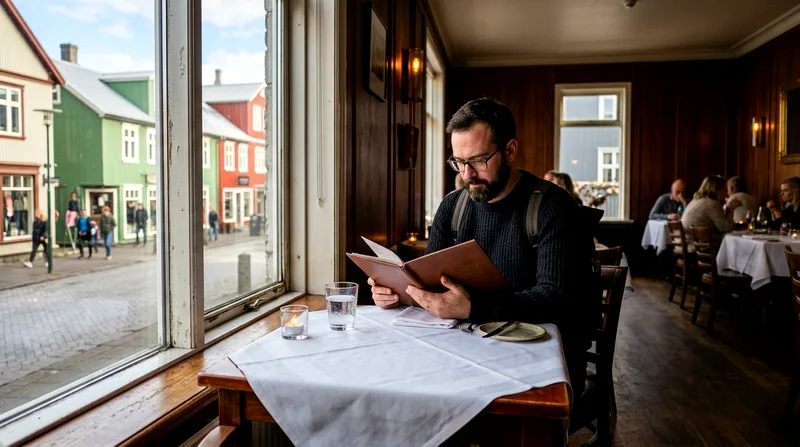
Reykjavik Food Tour vs Self-Guided Eating: Cost & Value
Reykjavik food tour vs self guided eating compared: total costs, portion counts, discovery value, and which option actually saves money.
8 min read · 15 Oct 2026
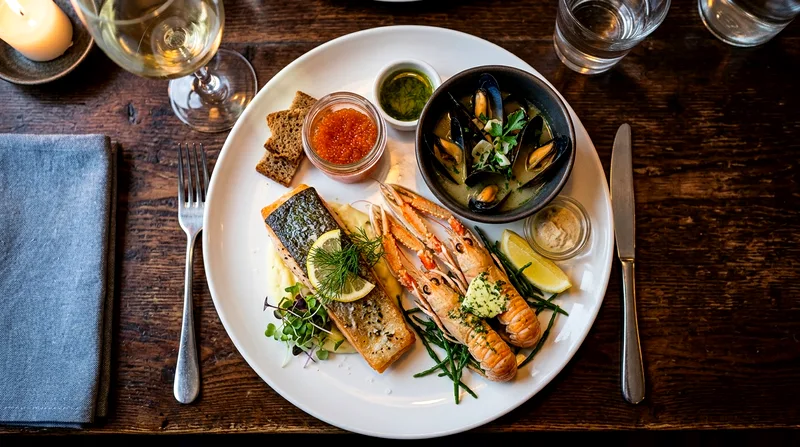
Tours & activities
Compare Reykjavik food tour types—walking tours, cooking classes, tastings & private options. Know what's included, costs, and when to book.
Not every Reykjavik food tour fits every traveler, and the marketing rarely admits that. A three-hour walking tour that stops at five restaurants works brilliantly for someone with a healthy appetite and no dietary restrictions — it falls apart for a parent managing a tired six-year-old or someone who can't eat shellfish and keeps getting served plates they have to skip. Before you book anything, think about your actual walking tolerance (most tours cover 1.5 to 3 kilometers on foot, often over uneven old-town cobblestones), how hungry you'll be by hour two, and whether you want to cook something yourself or just eat what's put in front of you.
A reykjavik food tour built around tastings suits people who want breadth: a bite of fermented shark here, a cup of lamb soup there, maybe a shot of brennivín to wash it down. A cooking class suits people who want depth — one or two dishes, properly understood, that they could recreate at home. Neither is objectively better. They answer different questions.
Solo travelers get the best return from group walking tours. You're paying for a guide and a curated route, not exclusivity, so a shared group of eight to fourteen people keeps costs down while still giving you direct access to the guide for questions. Small groups of two or three — couples or friends traveling together — fit the same model well, though if you're picky about pace (lingering at a fish market stall, skipping a stop you don't care about), a private tour removes that friction. The trade-off is cost: private tours typically run several times the per-person price of a group departure, and in Reykjavik's small culinary scene, you're often visiting the same handful of restaurants either way.
Families with children under ten generally struggle with standard food walks — the pace is adult-oriented, portions assume adult appetites, and some stops (fermented shark, dried fish, strong cheese) are a hard sell to young palates. A cooking class is usually the better family booking: it's seated, indoors, hands-on, and most Reykjavik cooking classes will adapt a menu for kids without much fuss if you ask ahead. Cultural enthusiasts — the travelers who want the history of Icelandic fishing villages or the story behind skyr production, not just the taste of it — should prioritize tours explicitly described as guided by a local historian or chef rather than a general city guide moonlighting in food. Read the tour description closely; "cultural guide" and "driver-guide" are not interchangeable credentials.
Reykjavik's food tour market splits into four broad categories: walking food tours, cooking classes, group tastings at markets or food halls, and private/custom experiences. Each has a distinct rhythm, and conflating them when you book is the single most common mistake first-time visitors make.
Walking food tours offer the broadest taste of Icelandic cuisine per hour, while cooking classes and private tours trade breadth for depth and flexibility.
Reykjavik food tour types compared: duration, group size, and cost range
| Tour Type | Typical Duration | Group Size | Cost Range (relative) | Best For |
|---|---|---|---|---|
| Walking food tour | 2.5–3.5 hours | 8–16 people | Mid-range | First-time visitors, solo travelers |
| Cooking class | 2–4 hours | 4–12 people | Mid-range | Families, hands-on learners |
| Market/tasting tour | 1.5–2 hours | 8–20 people | Lower | Short visits, tight budgets |
| Private food tour | 2–4 hours | 1–6 people | High | Couples, dietary needs, flexible pace |
Figures reflect typical Reykjavik offerings; always confirm current duration, group size, and price when booking.
A walking food tour moves you between four to seven local restaurants or stalls over roughly three hours, with a guide narrating neighborhood history, fishing industry context, and Icelandic ingredient quirks between bites. You're a spectator and taster, not a participant — the appeal is variety and efficiency, covering more of Reykjavik's food identity in one afternoon than you'd manage eating solo over several days. The downside: you don't control portion size, and if a stop serves something you dislike, you've still paid for it.
A cooking class flips that. You spend two to four hours in a kitchen, usually making a traditional dish — lamb stew, fish soup, or rye bread baked underground the traditional way — under a chef's supervision. You leave with a skill, not just a memory, and classes handle dietary substitutions far more gracefully since the menu is fixed and known in advance. The trade-off is scope: you'll taste one or two dishes deeply rather than sampling Reykjavik's range broadly. If you only have one evening in the city, a walking tour generally gives better value per hour.
Group tastings — often centered on a food market, fish auction house, or a cluster of stalls near the Old Harbour — are shorter, usually 90 minutes to two hours, and cheaper per person than full walking tours. They suit travelers who want a quick, affordable sample of Nordic cuisine without committing an entire evening. The catch is scheduling: these run on fixed slots, often tied to market hours, so flexibility is limited.
Private experiences — a dedicated guide and chef for your party only — cost noticeably more, generally two to four times a group seat, but buy you control over pace, menu adjustments for allergies, and often access to a restaurant's kitchen or private dining room that group tours don't use. Worth it for anniversaries, dietary complexity, or a family that can't keep a group's pace. Not worth it if you're simply trying to save money and don't mind sharing a table with strangers.
The description page rarely tells you everything that matters. Read past the headline and look for three things: what's actually included, how large the group will be, and what happens if weather or illness forces a cancellation.
"Tastings included" can mean a full plate or a single bite-sized sample — the difference matters if you're counting on the tour as dinner. Check whether drinks (including the obligatory brennivín shot many tours pour) are included or charged separately, and whether the walking tour counts as your evening meal or just a snack crawl between an early lunch and late dinner. Group size matters more than most people realize: a tour capped at ten feels personal, one with twenty-five feels like a herd moving between restaurant doors with little guide access. Most reputable operators publish a maximum group size — if a listing doesn't state one, ask before booking. On cancellations, Icelandic weather causes real disruptions even in summer, so favor listings with free cancellation up to 24 hours before departure over rigid no-refund policies.
Walking food tours in Reykjavik aren't physically demanding, but they do involve standing and moving between stops with minimal seated rest, which matters for senior travelers or anyone with mobility concerns — ask specifically about total walking distance and whether there are seated courses. Dietary restrictions are generally manageable: vegetarian substitutions are common and most guides know in advance which stops can accommodate them, but severe shellfish or gluten allergies need direct confirmation with the operator before booking, not just a note in the checkout form. Iceland's food culture leans heavily on fish and lamb, so vegan travelers should specifically check whether the tour has a vegan-adapted route — not all do.
Timing affects both availability and what you'll actually eat. Reykjavik's food tour calendar isn't as seasonally locked as, say, whale watching out of Husavik or northern lights tours near Akureyri, but it still shifts with tourist volume and ingredient seasons.
June through August is peak season — more tour departures run daily, but popular small-group walking tours and cooking classes can sell out a week or more ahead, especially evening slots. Shoulder months (May, September) offer a good compromise: fewer crowds at restaurants, nearly the same tour frequency, and noticeably easier booking with two to three days' notice. Winter (November through February) sees fewer departures and shorter daylight, but also smaller groups and more personal attention from guides — if you're combining a food tour with other winter activities like a Golden Circle day trip or a Blue Lagoon visit, book the food tour for an evening slot since daylight tours get squeezed by other itinerary priorities. Unlike Vik or Hofn, where outdoor tours depend heavily on weather windows, Reykjavik's indoor-heavy food tours run reliably regardless of conditions, which makes them a dependable rain-day booking.
The most authentic Reykjavik food experiences tend to avoid restaurants that exist purely to serve tour groups — a telltale sign is a menu printed in six languages with photos of every dish. Good tours instead route through smaller, working local restaurants and food markets where regular Icelanders eat, even if that means slightly less polished presentation. Ask, before booking, whether the tour visits the same restaurants every time or rotates — rotation usually signals a guide genuinely curating based on quality rather than a fixed commission arrangement.
Value isn't just about price per bite. A tour that includes six generous tastings and a short walk through the Old Harbour's working fish stalls offers more cultural substance than one offering ten tiny samples with long transit gaps between them. Compare what travelers get in similar food scenes elsewhere — a Bergen fish market tour or a Tromso seafood tasting — and you'll notice Reykjavik's tours lean more narrative-heavy, built around Iceland's isolation and self-sufficiency story, which is worth seeking out rather than skipping for a cheaper bare-bones tasting. If you're also booking a Reykjavik city walking tour or a day trip to the Golden Circle, pairing a food tour on your first evening gives useful context — you'll recognize ingredients like Icelandic lamb and Arctic char later when they show up on a farm tour or restaurant menu outside the capital. Skip any tour promising "all you can eat" structure; Icelandic tasting portions are intentionally small to let you sample broadly, and tours chasing a buffet feel undercut that purpose.
Most walking food tours include four to seven tastings at local restaurants or food stalls, a guide's narration on Icelandic food history and ingredients, and sometimes a drink sample like brennivín or local beer. Full meals are rarely included — treat it as a substantial tasting crawl, not a sit-down dinner, unless the listing specifically states otherwise.
Food walks suit most first-time visitors better because they cover more ground and more dishes in roughly the same three hours a cooking class takes to produce one or two dishes. Choose a cooking class instead if you specifically want a hands-on skill to take home, or if you're traveling with kids who'll engage more with stirring a pot than listening to a guide talk history.
Book three to seven days ahead during June–August peak season, especially for small-group or evening tours that sell out fastest. In shoulder months (May, September) two to three days is usually enough, and in winter you can often book a day or two ahead with little trouble.
Vegetarian needs are generally handled well since most operators know in advance which stops offer alternatives. Severe allergies (shellfish, gluten, nuts) and vegan diets need direct confirmation with the operator before booking — don't rely solely on a checkout form note, since not every tour has a built-in alternative route.
Group tours share a fixed route and schedule with 8–20 other travelers at a lower per-person cost, while private tours customize the pace, stops, and sometimes the menu for your party alone, typically costing two to four times more per person. Choose private if you have complex dietary needs, mobility limits, or simply want flexibility; choose group for better value and a more social atmosphere.
Reykjavik food tour vs self guided eating compared: total costs, portion counts, discovery value, and which option actually saves money.
8 min read · 15 Oct 2026
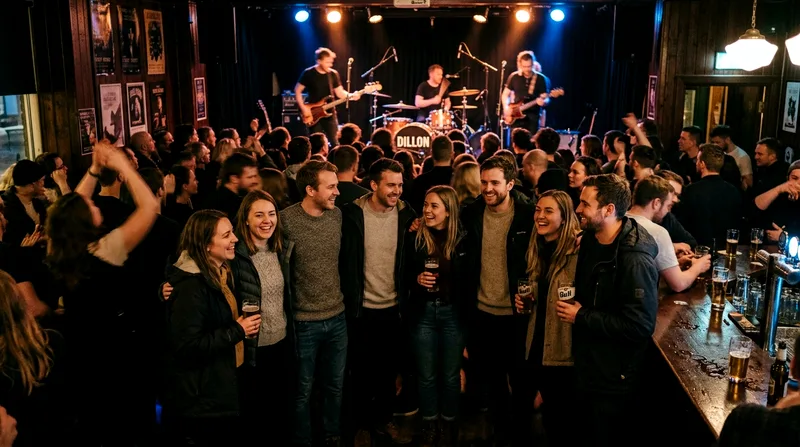
Compare Reykjavik nightlife tour options — pub crawls, live music experiences, and private bar tours — with booking tips and seasonal timing advice.
8 min read · 15 Oct 2026
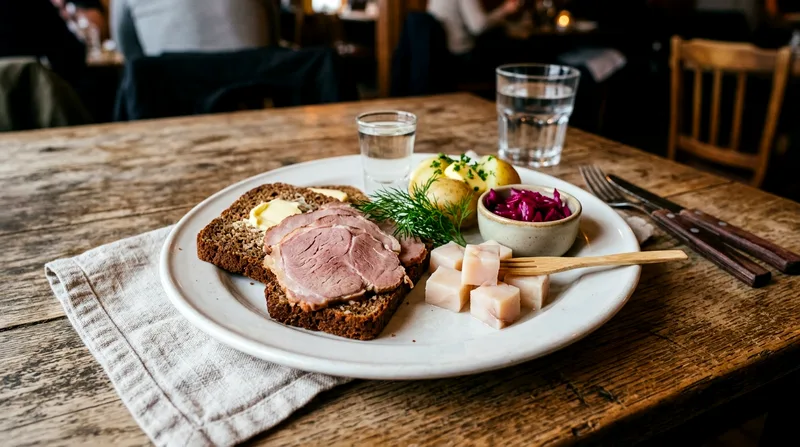
Book a traditional Icelandic food experience in Reykjavik. Try fermented shark, dried fish and lamb soup at cultural tasting events and dinners.
10 min read · 15 Oct 2026
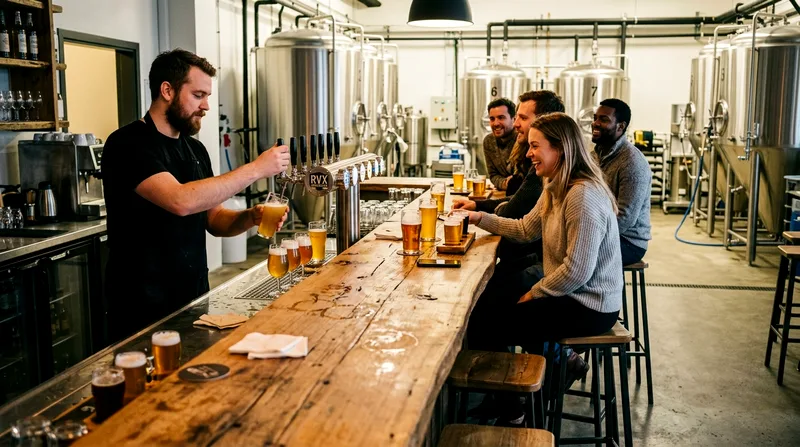
Compare Reykjavik brewery tour options, from walking tours to bar crawls. Learn what's included, group sizes, and timing before you book a craft beer tasting.
9 min read · 15 Oct 2026
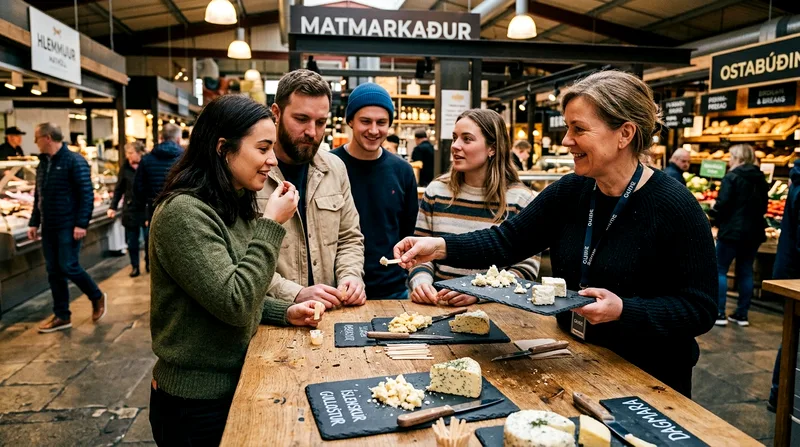
Compare Reykjavik food walking tours by stops, portions, dietary options and guides. Book the best street food tour for your budget and preferences.
9 min read · 15 Oct 2026