Book a traditional Icelandic food experience in Reykjavik. Try fermented shark, dried fish and lamb soup at cultural tasting events and dinners.
What Is a Traditional Icelandic Food Experience
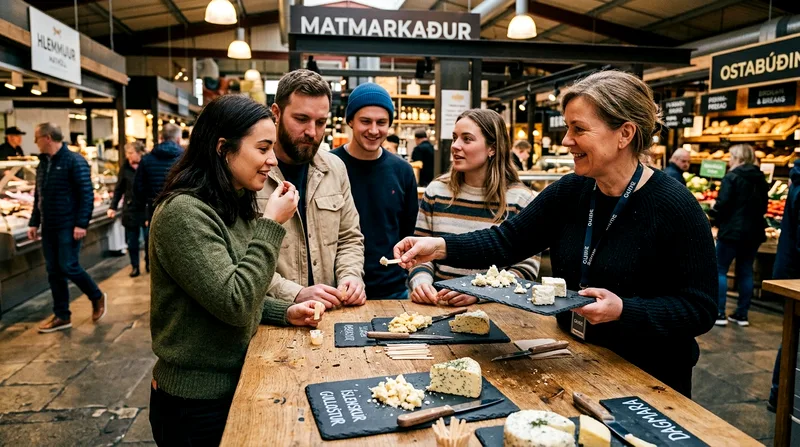
A traditional Icelandic food experience, in practice, means one of two things: a set-menu dinner at a restaurant that specializes in heritage dishes, or a structured tasting event where a guide walks you through several small plates with explanation of what you're eating and why. Both formats exist across Reykjavik, and both are built around the same core idea — letting visitors taste food that predates the modern Icelandic diet of imported produce and supermarket convenience.
The dishes trace back to a country that, for centuries, had almost no agriculture beyond sheep, dairy, and whatever the sea provided. Preservation methods — fermenting, drying, smoking, pickling in whey — weren't culinary choices so much as survival strategies through dark winters with no refrigeration. That history is worth knowing before you sit down, because it reframes what might otherwise look like a stunt menu. Hákarl (fermented shark) isn't served because it's shocking; it's served because Greenland shark is toxic fresh and this was the only way earlier Icelanders could eat it at all.
I'd push back on framing this purely as a novelty activity, which is how a lot of tour listings sell it. The better operators treat it as a genuine culinary and historical briefing — closer to a short lecture with food than a dare. If you book an event that's all theatrics and no context, you're paying for the wrong thing.
Historic dishes and ingredients
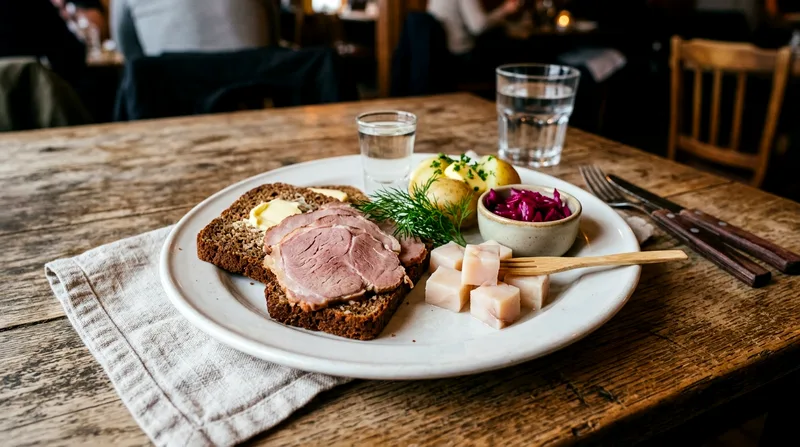
Beyond the shark, the backbone of traditional Icelandic cuisine is simpler and more approachable than its reputation suggests. Rúgbrauð, a dense, slightly sweet rye bread traditionally steam-baked underground near geothermal areas, shows up at nearly every tasting. Skyr, a thick cultured dairy product related to yogurt but technically a soft cheese, has been part of the Icelandic diet since Norse settlement in the ninth century. Lamb — smoked, cured, or boiled — appears constantly, since sheep farming has outpaced almost every other food source in Iceland's short growing season. Expect also to see harðfiskur, wind-dried fish (usually cod or haddock) eaten with butter, and hangikjöt, smoked lamb traditionally served at Christmas but available year-round in restaurants aimed at visitors.
Fermented shark, dried fish and lamb soup
Hákarl is the dish everyone asks about, and it deserves a direct description: Greenland shark meat is cured for six to twelve weeks, then hung to dry for several more months. The result has a strong ammonia smell — closer to a cleaning product than food — and a chewy, cheese-like texture. Most first-timers take one small cube, often paired with a shot of Brennivín (an unsweetened schnapps flavored with caraway) to cut the aftertaste. Plokkfiskur, a mashed fish stew made with cod or haddock, potatoes, onion, and béchamel, is the comfort-food counterpoint — mild, filling, and what Icelanders actually eat at home. Kjötsúpa, a lamb and root vegetable soup, rounds out most tasting menus and is the dish most visitors say they'd happily eat again.
Why Visit a Food Tasting Event
A structured tasting gives you exposure to six or more dishes in one sitting, which you'd otherwise need several restaurant visits and a fair amount of menu-reading German-to-English-dictionary effort to assemble on your own. For travelers with two or three days in Reykjavik, that efficiency matters more than it sounds like it should.
There's also a cultural-literacy argument. Icelandic food connects directly to Viking heritage and the country's Nordic cuisine roots — the same preservation techniques used by Norse settlers in the ninth century are still referenced on modern menus, sometimes word for word. Understanding why a dish exists changes how it tastes, or at least how you talk about it afterward. I think this matters more here than in most food-tourism contexts, because so much of what's on the plate looks strange out of context and genuinely interesting once explained.
The honest downside: some tasting events are overpriced for what amounts to six bite-sized portions, and a few lean too hard on the shock value of hákarl rather than giving equal time to dishes people actually want to eat. If the itinerary description spends three paragraphs on shark and one line on lamb soup, that's a signal the event is built for Instagram reactions, not food education. Read the included-dishes list carefully before you book, not just the headline dish.
How to Book and Visit
You have two real paths into this experience in Reykjavik, and which one suits you depends on your tolerance for structure versus flexibility.
A guided tasting event suits visitors short on time, while independent dining gives more control over cost and menu for less novelty.
Traditional Icelandic food experience options in Reykjavik compared
| Format | Typical duration | Price range | Best for | Flexibility |
|---|---|---|---|---|
| Guided tasting event | 2-3 hours | Mid-to-high per person | Solo travelers, couples, first-timers | Low — fixed menu and schedule |
| Set-menu cultural dinner | 1.5-2.5 hours | High per person | Couples, special occasions | Moderate — some dish substitution |
| À la carte traditional restaurant | 1-1.5 hours | Variable, pay per dish | Families, picky eaters | High — order only what you want |
| Food hall sampling (e.g. Hlemmur Mathöll) | 30-60 minutes | Low, pay per item | Budget travelers, quick visits | High — casual and unscheduled |
Typical figures based on general Reykjavik dining patterns; always check current prices and menus before booking.
Independent dining vs guided tours
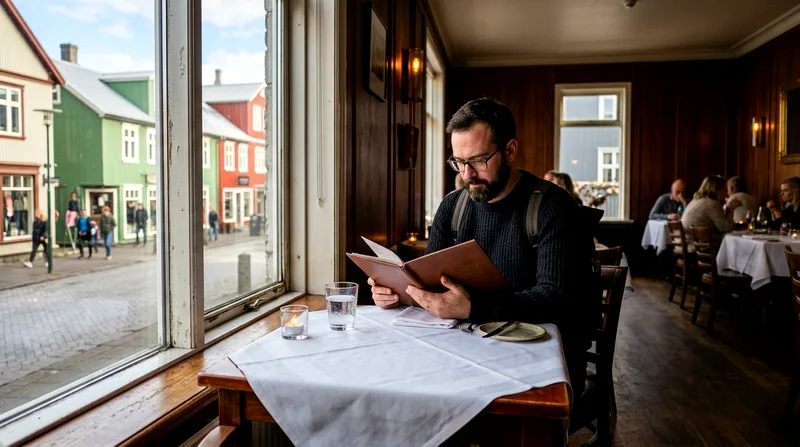
Dining independently means picking a restaurant with a traditional or New Nordic menu and ordering à la carte — more control over what you eat and how much you spend, but more research required to find a kitchen that does these dishes well rather than as an afterthought for tourists. Guided tasting tours or set cultural dinners, by contrast, bundle several dishes with narration, usually in a small-group setting of eight to twenty people, lasting two to three hours. You'll pay a premium for the convenience and the storytelling, but you remove the guesswork.
For solo travelers and couples with one evening free, I'd lean toward the guided format — it's efficient and social. For families or anyone with a picky eater, independent dining at a restaurant offering a traditional-food section alongside standard Nordic dishes gives an escape hatch if the kids won't touch dried fish.
Restaurant reservations and event bookings
Reserve restaurant tables directly through the venue's own booking system or by phone, typically one to three days ahead outside peak summer season, longer during July and August. Tasting events and cultural dinners are usually booked through tour marketplaces or directly via the host venue, often requiring prepayment to hold a spot since portions are prepared per confirmed guest. Check cancellation policies before paying — many of these events have a 24- to 48-hour cutoff for a refund, which matters if your Iceland itinerary is weather-dependent, as most are.
Tickets, Pricing and What's Included
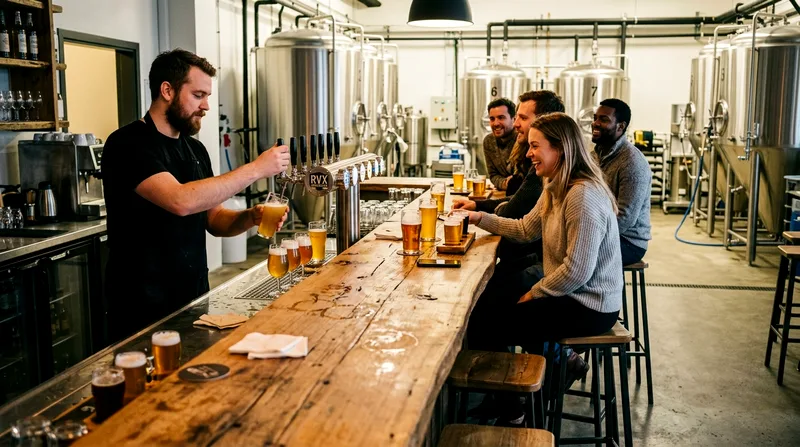
Pricing for structured tasting events in Reykjavik generally sits in the mid-range for European food experiences — expect a noticeable premium over a casual meal, reflecting both the curated format and the cost of importing or specially sourcing dishes like hákarl that aren't mass-produced. A full set-menu dinner at a restaurant specializing in traditional and New Nordic cuisine runs higher still, especially if it includes multiple courses and drink pairings with Brennivín or Icelandic beer.
What's typically included: a sequence of five to eight small tastings, a guide or host providing historical context, and often one alcohol pairing. What's usually not included: full-size main courses, unlimited drinks, or transport to and from the venue — most of these run in central Reykjavik, walkable from Laugavegur or the Old Harbour, so transport isn't usually a real cost anyway.
One caution: a few tasting formats charge a flat fee regardless of what you actually eat, which stings if you find yourself unable to finish the shark or skip the dried fish. If you know in advance you're squeamish about strong flavors, ask whether the event offers a milder substitution — some do, many don't advertise it unless asked. Always compare current prices and inclusions when booking, since formats and what's bundled can change between venues and seasons.
Best Time to Book
Timing affects both availability and price more than most visitors expect, particularly for the smaller, guide-led tasting formats that cap group size.
Seasonal availability and peak periods
June through August is peak season in Reykjavik, and tasting events sell out days in advance during this window — cruise ship arrivals in particular can fill a given evening's slots fast. Shoulder months (May, September, October) offer a reasonable balance: decent availability, still-manageable weather for walking to the venue, and typically easier last-minute booking. Winter (November through March) sees fewer events running on a fixed schedule, but demand is lower too, so you can often book a day or two out. If you're also planning whale-watching from Húsavík or chasing the northern lights, pair your food evening with those same off-peak months to cut costs across the board.
Advance booking recommendations
Book guided tasting events five to seven days ahead in summer, two to three days ahead in shoulder season, and next-day is often fine in deep winter. Restaurant tables for traditional set menus follow similar logic, though popular spots near Austurvöllur square or the Old Harbour can fill their evening slots even in January if there's a conference or festival in town. If your Iceland trip also includes Akureyri or the Westfjords near Ísafjörður, note that food tasting events of this structured kind are far less common outside Reykjavik — this is largely a capital-city offering, so don't assume you'll find an equivalent later in your trip.
Nearby Food and Cultural Add-ons
A food tasting pairs naturally with other short, bookable Reykjavik experiences rather than standing alone as a full evening. The Saga Museum and the National Museum of Iceland both cover Viking-era settlement and daily life in more depth than a dinner host has time for, and visiting one beforehand makes the food context land harder. Reykjavik's food halls — Hlemmur Mathöll and Grandi Mathöll — offer a lower-cost, lower-commitment way to sample modern takes on Icelandic ingredients without the structure (or price) of a formal tasting event, useful if you want a trial run before committing to a full dinner.
For travelers comparing Reykjavik against other Icelandic food stops, it's worth knowing the landscape shifts outside the capital. Akureyri has a smaller but genuine restaurant scene built around local fish and lamb; Höfn is the place for langoustine specifically, celebrated with its own local festival; Vík has limited dining options built mainly around highway traffic rather than culinary ambition. None of these towns run the kind of multi-course tasting events common in Reykjavik, so if trying hákarl and kjötsúpa together in one sitting matters to you, do it in the capital rather than waiting.
If you're continuing on to Norway, don't expect Tromsø or Bergen to offer a direct equivalent — Norwegian traditional food leans toward cod, reindeer, and brunost rather than fermented shark, and tasting events there are less standardized as a visitor product. Reykjavik's food-tourism infrastructure, oddly, is more developed than in several larger Nordic cities, probably because the "extreme food" angle photographs and markets well internationally.
Frequently asked questions
What is fermented shark and where can I try it?
Hákarl is Greenland shark cured for six to twelve weeks and then air-dried for several months to remove toxins present in the fresh meat. It's served in small cubes, usually with a shot of Brennivín to offset the strong ammonia smell. You'll find it on most traditional tasting menus and at some set-menu restaurants in central Reykjavik; it's rarely sold outside curated food experiences since the preparation takes months.
Do I need to book a tour or can I dine independently?
Either works, depending on what you want. Independent dining at a restaurant with a traditional Icelandic section gives you control over cost and portion size, but you'll need to research which kitchens actually do these dishes well. A guided tasting event removes that guesswork and adds historical context, but costs more and follows a fixed menu with a two-to-three-hour time commitment.
What other traditional Icelandic dishes are served?
Beyond hákarl, expect kjötsúpa (lamb and root vegetable soup), plokkfiskur (mashed fish stew with potato and béchamel), harðfiskur (wind-dried fish eaten with butter), hangikjöt (smoked lamb), skyr, and rúgbrauð rye bread. Most tasting formats include five to eight of these dishes in one sitting, mixing the unusual with the genuinely comforting.
How much does a traditional food experience cost?
Guided tasting events typically sit in the mid-to-high range for a European food experience, reflecting the curated format and specialty sourcing of dishes like hákarl. Full set-menu dinners at dedicated restaurants cost more, especially with drink pairings. À la carte dining or food hall sampling costs considerably less since you only pay for what you order. Always check current prices when booking, as inclusions vary by venue.
When is the best time to book a food tasting event?
June through August is peak season, so book five to seven days ahead to secure a spot, especially on evenings with cruise ship arrivals. Shoulder months like May and September offer easier booking two to three days out. Winter has fewer scheduled events but lower demand, so next-day booking is often possible.