Compare Reykjavik food walking tours by stops, portions, dietary options and guides. Book the best street food tour for your budget and preferences.
Who Each Tour Type Suits Best
A Reykjavik food walking tour works for almost anyone who likes eating and walking in roughly equal measure, but the right pick changes depending on who's in your group. Downtown Reykjavik is compact enough that most tours cover Laugavegur Street, a stretch of the Old Harbour and a handful of side streets in two to four hours, so distance isn't really the deciding factor — pace and group size are.
I'd steer most first-time visitors toward a mid-sized group tour (8-14 people) rather than the smallest or largest options. Tiny private tours cost more per person and sometimes feel over-formal for what is essentially a series of snack stops. Huge groups of 20-plus, which some budget operators run, mean long waits at each vendor and rushed tastings — you end up standing around more than eating.
Solo travelers and small groups
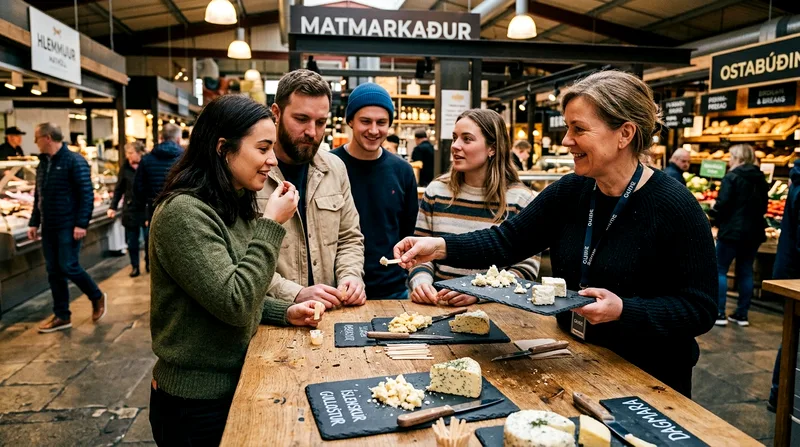
Solo travelers get the best value from shared group tours, not private ones. A group food walk gives you built-in conversation without the obligation of a dinner date, and most operators mix nationalities and ages, so you're rarely the odd one out. Expect groups of 6-12 on the better-run tours — enough people to feel social, few enough that the guide can still answer individual questions about Icelandic cuisine or Nordic food culture.
Couples traveling without kids tend to prefer the evening slots, when tours often pair tastings with a stop at a bar or small restaurant for a shared plate. If you're a couple who wants a date-night feel rather than a crowd, look specifically for tours capped at 10 people — some listings mention this, others don't, so check the description or ask before booking.
Families and larger parties
Families with children under about eight should think twice before booking a standard food walk — three hours of standing and small portions of fermented shark or fish stew isn't most kids' idea of a good afternoon. Families with teenagers or tweens who already eat adventurously tend to do fine, especially on tours that include a waffle or hot dog stop, which most do, since Icelandic hot dogs are a near-mandatory inclusion.
Larger parties of six or more should ask about private or semi-private bookings. Many operators will convert a standard group tour into a private one for a flat rate once you hit six to eight people, which can end up cheaper per head than booking individual spots on a public tour, and you control the schedule and dietary substitutions more easily.
Main Food Tour Categories Compared
Reykjavik's food tour market splits into a few recognizable categories, and knowing which one you're booking matters more than which specific company runs it. The core distinction is street food versus restaurant-based tours, with a secondary split between guided group walks and self-paced tasting passes.
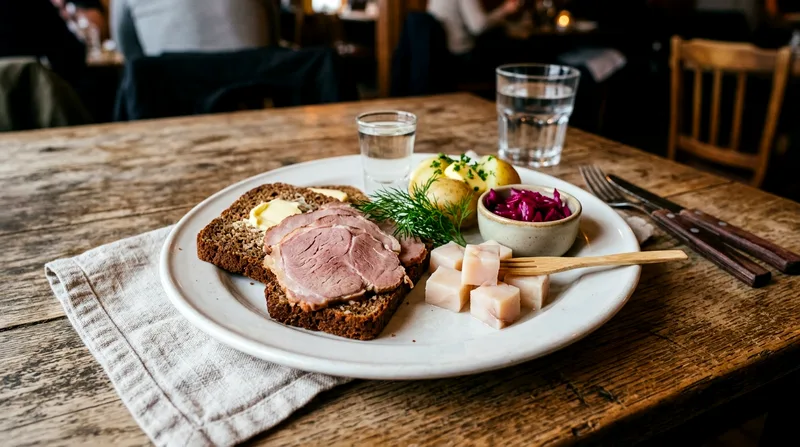
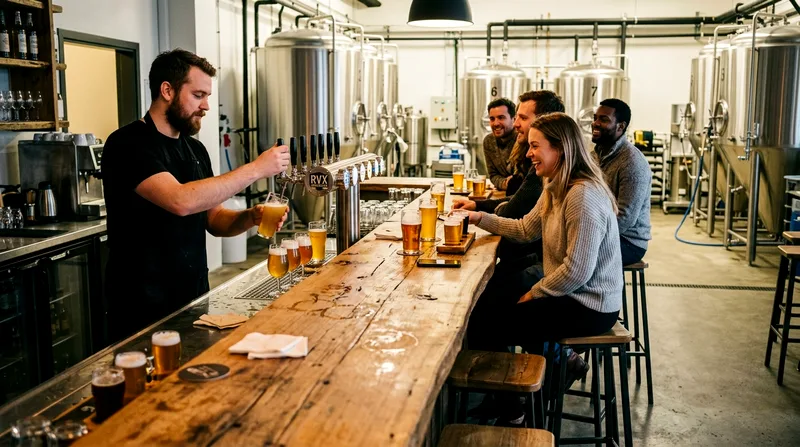
Street food tours are built around outdoor stalls, small takeaway counters and market-style vendors near the Old Harbour and along Laugavegur. They're cheaper, faster-paced, and lean heavily on Icelandic staples — hot dogs, fish and chips, skyr, rye bread with smoked lamb. Restaurant-based tours instead walk you into three or four sit-down or bar-style venues for a plated tasting at each, often including a drink pairing (beer, non-alcoholic Icelandic soda, or a shot of brennivín). These run longer, cost more, and suit people who want to sit down between stops rather than eat standing on the street.
Street food tours cost less and move faster, while restaurant-based tours cost more but offer seated comfort and larger portions.
Reykjavik food walking tour categories compared by duration, cost and fit
| Tour Type | Duration | Typical Cost Range | Dietary Flexibility | Best For |
|---|---|---|---|---|
| Street food group tour | 2-3 hours | Moderate | Good, with notice | First-timers, solo travelers, budget-conscious groups |
| Restaurant-based tour | 3-4 hours | Higher | Very good, pre-arranged | Couples, seniors, special occasions |
| Private/custom tour | 2-4 hours | Highest per group | Fully customizable | Families, larger parties, strict allergies |
| Self-paced tasting pass | Flexible, 1-2 days | Moderate | Limited, vendor-dependent | Independent travelers, repeat visitors |
Cost ranges vary by season and group size; always check current prices and inclusions before booking.
Street food versus restaurant tours
Street food tours typically run two to three hours with five to seven stops, and the per-stop portions are small — a few bites rather than a full dish. They're the better choice if you want breadth: trying lots of different Icelandic specialties without committing to a full meal of any single one. The trade-off is that you're standing or walking almost the entire time, which isn't ideal for anyone with mobility issues.
Restaurant tours run three to four hours with three to five stops, each involving table seating and a slightly larger portion. They cost more — generally a noticeable step up from the street food format — but suit senior travelers, anyone with joint pain, or people who simply prefer eating seated. The downside is less variety per hour and a more rigid schedule, since restaurants need advance reservations the guide has already locked in.
Guided walks versus self-paced options
A small number of operators sell self-paced tasting passes — a map and a voucher booklet redeemable at a set list of vendors over a day or two, rather than a fixed-time guided walk. These suit independent travelers and couples who dislike group pacing and want to eat on their own schedule. You lose the storytelling and local context a guide provides, though, and vendors on self-paced passes sometimes get deprioritized compared to guided-tour customers during busy dinner hours.
Guided walks remain the stronger choice for first-time visitors precisely because of that narration — a decent guide explains why Icelanders eat fermented shark, how the hot dog became a national dish, and which fish on your plate was likely caught that morning near Hofn or Husavik's fishing grounds. If you've already done a guided food tour in another city — Bergen's fish market tours are a reasonable comparison — and just want the eating without the lecture, the self-paced pass is the better fit.
What to Look for When Booking
Not all "food tours" are built the same, even within one category, so read the listing details rather than the headline price. The two factors that most affect whether you'll actually enjoy the experience are the number of stops relative to tour length, and who's leading the walk.
Number of stops and portion sizes
Look for tours listing both the number of stops and some indication of portion size — "tasting" versus "full plate" matters a lot. A tour advertising eight stops in two and a half hours is handing you bites, not meals; one with four stops over three hours is giving you something closer to a progressive dinner. Neither is wrong, but know which you're buying. If the listing doesn't specify quantities at all, that's often a sign the operator varies it depending on the day, which is worth asking about directly before you pay.
Watch for tours that count a "stop" as simply walking past a landmark with no food involved — some itineraries pad the stop count this way to look more generous than they are. Four or five genuine tastings beats seven stops where two are just photo opportunities.
Guide expertise and group size limits
A good guide in Reykjavik's food tour scene usually has a hospitality or tourism background and speaks fluent English plus often a second European language — German and French are common given the visitor mix. Ask or check reviews for whether guides are longtime residents rather than seasonal hires; the context they give about Nordic food culture and the fishing economy behind dishes like plokkfiskur is the actual value you're paying for, not just the food itself.
Group size caps should be stated clearly. Anything above 15 people on a walking food tour tends to create bottlenecks at small vendor counters, especially on narrow stretches of Laugavegur Street. If the cap isn't listed, assume it's larger than ideal and ask before booking.
When and How to Book Your Tour
Reykjavik food tours run year-round, but demand and availability shift noticeably with the seasons. Compared to a destination like Tromso, where winter tourism dominates, Reykjavik's food tour season peaks in summer (June-August) alongside general tourist traffic, with a secondary bump around the Northern Lights season in autumn and winter when visitors combine a city evening activity with aurora tours later at night.
Seasonal availability and advance booking
Book at least three to five days ahead in June through August; popular evening slots on Friday and Saturday fill first. In the shoulder months (April-May, September-October) a day or two's notice is usually enough. Winter (November-March) has the most flexibility — some operators even reduce frequency to a few fixed days per week, so check the schedule rather than assuming daily departures.
If your trip also includes day trips out of the city — a glacier tour, the Golden Circle, or a longer excursion toward Vik or Hofn — slot the food tour into your first evening in Reykjavik. It's a low-effort way to get oriented and fed after a flight, rather than saving it for your last night when you might be tired from hiking.
Cancellation policies and inclusions
Most reputable Reykjavik food tours offer free cancellation up to 24-48 hours before departure, standard across most Iceland-based tour platforms. Check this explicitly — a handful of smaller operators enforce stricter non-refundable policies once booked, which is a real risk given how changeable Icelandic weather and travel plans can be.
Confirm what's included beyond the food itself: some tours include one alcoholic drink or a non-alcoholic equivalent, others charge extra for anything beyond water. If walking shoes, rain gear, or a specific meeting point (often near the Old Harbour or a central square off Laugavegur) matter to your plans, that information should be in the booking confirmation — if it isn't, message the operator before the day of the tour.
Dietary Options and Group Dynamics
Icelandic cuisine leans heavily on fish, lamb and dairy, which creates real friction for vegetarians, vegans, and anyone avoiding seafood or dairy outright. This is worth sorting out before you book, not after.
Vegetarian, vegan and allergy accommodations
Most established tours can accommodate vegetarians with advance notice — usually 24 hours minimum — substituting skyr-based dishes, rye bread, and vegetable sides for the fish and lamb tastings. Vegan accommodation is patchier; some tours manage it well, others can only offer one or two substitute stops out of five, which thins out the experience considerably. If you're vegan, ask directly what percentage of the tour's stops have a vegan option before paying, rather than assuming.
Shellfish and fish allergies need to be flagged at booking, not on the day. Group tours moving through small vendor stalls can't always guarantee zero cross-contamination, so anyone with a severe allergy is better served by a private tour where the guide can choose vendors and confirm preparation methods directly.
Frequently asked questions
What's included in a typical Reykjavik food walking tour?
Expect a guide, four to seven tastings at street vendors or small restaurants, and sometimes one drink (beer, Icelandic soda, or brennivín). Transport between stops isn't included since everything happens on foot downtown. Gratuity is usually not included and is left to your discretion.
How many stops and tastings should I expect?
Street food tours typically offer five to seven stops with small bites at each; restaurant-based tours run three to five stops with larger, seated portions. Always check whether "stops" means actual food or just a narrated pause at a landmark — some itineraries pad the count.
Can I book a private food tour instead of group?
Yes, most operators offer private bookings, either as a standalone listing or by converting a group tour once you have six or more people. Private tours cost more per person for small groups but give you control over pacing, stops and dietary substitutions.
What dietary restrictions can tours accommodate?
Vegetarian needs are usually handled well with 24 hours' notice. Vegan and severe allergy accommodation varies a lot by operator — some offer full substitute itineraries, others only one or two swapped stops. Confirm specifics before booking rather than assuming full coverage.
How far in advance should I book a food tour?
Book three to five days ahead in summer (June-August), one to two days in shoulder season, and same-week in winter when demand is lower. Weekend evening slots fill fastest year-round, so lock those in earlier if your schedule is fixed.