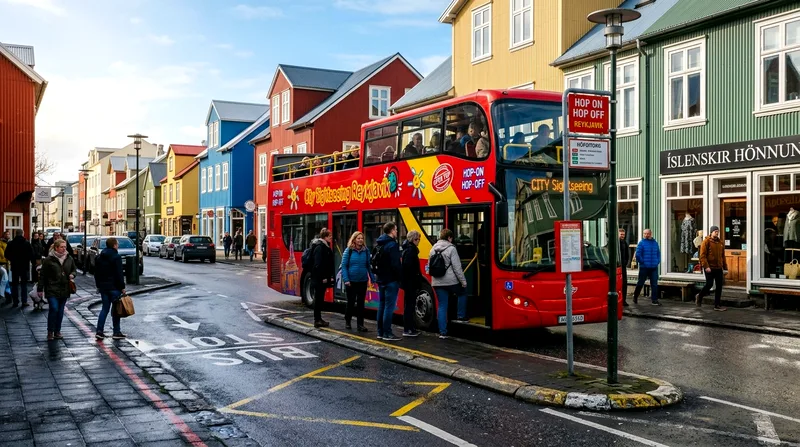
Reykjavik Hop-On Hop-Off Bus: Route, Tickets and Tips
Explore Reykjavik by hop-on hop-off bus. Compare ticket options, route stops, and whether it's worth it versus walking and city passes.
7 min read · 15 Oct 2026
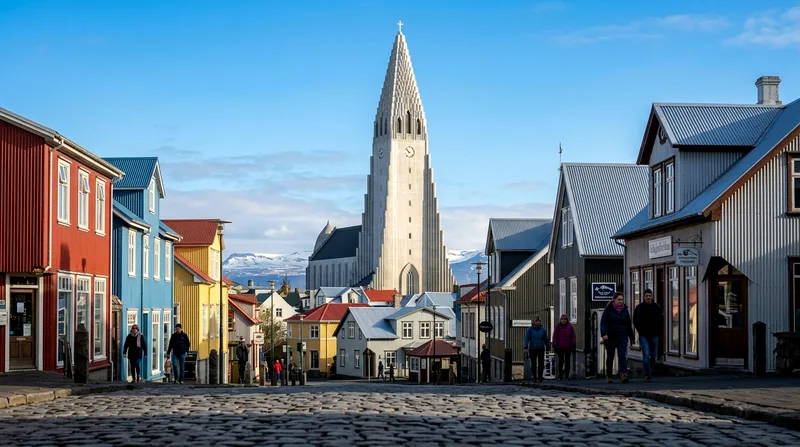
Reykjavik Attractions & Tickets
Discover Reykjavik attractions, museums, and experiences. Compare tickets, skip-the-line tips, and plan your visit with this complete booking guide.
Reykjavik packs an unusual amount of cultural density into a small downtown core. You won't find ancient ruins or grand palaces here — Iceland's capital is young, practical, and shaped by fishing, fire, and ice rather than empire. That's exactly what makes its attractions interesting: they explain a country that was mostly turf houses until the 20th century and is now a design and tech capital.
Hallgrímskirkja dominates the skyline at 74.5 meters and is the city's free visual anchor — you don't need a ticket to see it from outside, but the tower elevator (small fee, typically a few hundred ISK equivalent in euros) gets you a 360-degree view over the colorful rooftops toward Faxaflói Bay. The National Museum of Iceland covers settlement-era artifacts through modern independence, and it's the best single stop for understanding Icelandic history in under two hours. Perlan, built on hot water storage tanks on Öskjuhlíð hill, combines a planetarium, an ice cave replica, and an observation deck — it's more commercial than the National Museum but genuinely useful for families on a rainy day.
The Settlement Exhibition (Landnámssýningin), built around an excavated Viking-age longhouse discovered in 2001, sits underground right in the city center and takes about 45 minutes to see properly. It's compact but well done — better for adults and older kids than toddlers. The Reykjavik Museum of Photography, tucked into the top floor of the city library on Tryggvagata, is free-ish (check current entry) and rotates Icelandic photographic history; it's an easy add-on rather than a destination in itself. I'd skip it if you're short on time and prioritize the National Museum instead — the photography museum rewards people who already love the medium, not casual visitors.
Harpa Concert Hall's glass facade, designed with artist Ólafur Elíasson, is worth walking through even if you're not attending a concert — the lobby and harbor views cost nothing. The Old Harbour area nearby mixes whale-watching and puffin-tour departure points with seafood shacks and the Saga Museum. It's less polished than Harpa but more atmospheric, especially early morning when fishing boats are still active. Outdoor landmarks like the Sun Voyager sculpture along the waterfront cost nothing and take five minutes, but don't build a whole afternoon around them — they're photo stops, not experiences.
Most of Reykjavik's core attractions don't need a guide. The city center is flat, walkable, and small enough that a paper map or phone GPS gets you between Hallgrímskirkja, Harpa, and the Old Harbour in under 30 minutes on foot. Where guided tours earn their cost is context — the Settlement Exhibition and National Museum have good self-guided signage in English, but a 90-minute walking tour covering Reykjavik's fire history, settlement myths, and architecture adds stories you won't get from placards alone.
I'd avoid bus tours that only stop briefly at each downtown landmark — you're paying for transport you don't need in a city this compact. Save guided bookings for things requiring logistics you can't easily replicate yourself: boat-based whale watching from the Old Harbour, or day trips to the Golden Circle and South Coast that start in Reykjavik but travel hours outside it.
Start at Hallgrímskirkja, walk downhill on Skólavörðustígur (the rainbow-painted street, good for photos and small shops), continue to Austurvöllur square, then finish at the harbor. That route takes roughly 2-3 hours including stops, without rushing. Buy the Hallgrímskirkja tower ticket at the counter inside — no need to book ahead, lines are rarely long outside peak summer midday. For museums, check opening hours before you go; several close earlier in winter (sometimes 5pm) and some skip one weekday entirely off-season.
Book ahead for anything with limited capacity or weather dependency — whale watching, Northern Lights evening tours, or South Coast day trips from Reykjavik. These sell out in high season (June-August) and during winter school holidays. For in-city museums and landmarks, same-day or walk-up tickets are almost always fine; the exception is peak July-August afternoons at Perlan, when tour groups can create short queues at the ticket counter.
Reykjavik sightseeing costs add up fast if you're visiting multiple paid sights, so it's worth doing rough math before you commit to a pass.
Hallgrímskirkja and the Old Harbour are free or near-free highlights, while Perlan and the National Museum cost more but suit different travelers.
Reykjavik attractions compared: cost, time needed, and best for
| Attraction | Typical Cost | Time Needed | Best For |
|---|---|---|---|
| Hallgrímskirkja (tower) | Low (few euros) | 20-30 min | Views, quick stop, all ages |
| National Museum of Iceland | Moderate (€15-18) | 1.5-2 hrs | History-focused visitors |
| Settlement Exhibition | Moderate (€15-18) | 45 min | Compact history stop |
| Perlan | Higher (€15-25+) | 1.5-2.5 hrs | Families, rainy-day plans |
| Old Harbour | Free to browse | 1-2 hrs | Tour departures, seafood, photos |
| Harpa Concert Hall | Free (lobby) | 20-40 min | Architecture, harbor views |
| Reykjavik Museum of Photography | Low/free | 30-40 min | Photography enthusiasts |
Prices are general ranges and change; confirm current entry fees and city card rates before booking.
Expect the National Museum to run in the range of an average European city museum ticket — roughly €15-18 for adults, with students and seniors discounted and children usually free or heavily reduced. Perlan's observation deck and exhibitions cost more, often €15-25 depending on which exhibits you add (the ice cave and planetarium shows are typically extra). The Settlement Exhibition sits around €15-18 standalone. Hallgrímskirkja's tower is the cheapest paid attraction in the city, a few euros only. None of these require advance booking for solo or small-group visits — queues are short outside July-August.
The Reykjavik City Card bundles entry to most city-run museums (including the National Museum and Settlement Exhibition), unlimited city bus travel, and free entry to several geothermal pools, for a flat 24, 48, or 72-hour rate. It typically costs somewhere in the €30-60 range depending on duration. Do the math: if you're planning to hit three or more paid museums plus using city buses and a pool visit, the card usually pays for itself. If you're mostly walking and visiting one or two sights, skip it — buying individual tickets will cost less. The card does not cover Perlan or Harpa tours, which is a frequent point of confusion.
Timing in Reykjavik is less about avoiding heat and more about managing daylight, weather, and tour-group density.
Summer (June-August) gives you near-endless daylight — useful for packing in outdoor landmarks late into the evening — but it's also when cruise ships and tour groups flood downtown, and some museums extend hours to match demand. Winter (November-February) means short days, sometimes under 5 hours of daylight in December, so indoor attractions like Perlan, the National Museum, and Hallgrímskirkja's tower (weather permitting) become the practical daytime plan. Shoulder seasons — April-May and September-October — offer a reasonable trade-off: fewer crowds, milder weather than deep winter, and most attractions on full schedules. I'd rate September as the most underrated month for a Reykjavik sightseeing trip.
Visit Hallgrímskirkja's tower before 10am or after 5pm to skip tour-group clusters. The National Museum tends to be quietest right at opening or in the last hour before closing. If you're visiting in July or August, book any time-sensitive tours (whale watching, South Coast day trips) at least a few days ahead — not because the museums require it, but because transport-based excursions have real capacity limits and weather cancellations that create last-minute scrambles for rebooking.
Reykjavik's compactness is its biggest advantage over other Icelandic bases. Compare it to Akureyri or Isafjordur, where attractions are more spread out and car-dependent, or to Hofn and Vik, which are essentially single-stop coastal towns built around one or two natural features. Reykjavik lets you string together four or five attractions on foot in a single day without touching a car.
Hallgrímskirkja, Skólavörðustígur shopping street, and Austurvöllur square form a natural 20-minute walking chain. From there, it's another 10-15 minutes down to Harpa and the Old Harbour, where whale-watching boats depart and the Saga Museum sits. The Settlement Exhibition and National Museum are a bit further inland but still within a 15-20 minute walk of the harbor. None of this requires buses unless you're also including Perlan, which sits on a hill outside the immediate center — a short bus ride or 10-minute taxi away.
A practical half-day: start at the National Museum (9-10:30am opening slot), walk to Hallgrímskirkja (10-15 min), take the tower, then descend Skólavörðustígur toward the harbor for lunch near the Old Harbour by early afternoon. That's three major stops in roughly 4 hours. If you have a full day, add Perlan in the late afternoon and finish at Harpa for evening harbor views. Compare this pacing to Tromso or Bergen, where fjord scenery often pulls you out of the city center for half the day — Reykjavik's attractions stay dense enough that you can do culture in the morning and still have afternoon free for a geothermal pool or day trip booking.
Hallgrímskirkja, the National Museum of Iceland, the Settlement Exhibition, and the Old Harbour cover history, architecture, and city life in a half-day loop. Add Perlan if traveling with kids or visiting in poor weather, and Harpa for architecture and harbor views even without a concert ticket.
Most individual museum tickets run €15-18 for adults, with Perlan slightly higher depending on exhibits added. Hallgrímskirkja's tower costs only a few euros. Budget roughly €50-70 per person for three to four paid attractions in a day, plus free stops like Harpa's lobby and the Old Harbour waterfront.
Only if your itinerary includes three or more paid museums plus bus travel or a pool visit within the card's validity window (24, 48, or 72 hours). For light sightseeing — one or two attractions — buying individual tickets is cheaper than the card.
Yes — the core sights (Hallgrímskirkja, National Museum or Settlement Exhibition, Old Harbour, Harpa) fit into one full day of walking, roughly 6-7 hours including lunch. Adding Perlan is possible but tight; it's more comfortable split across a day and a half.
Harpa's lobby, the Sun Voyager sculpture, Austurvöllur square, and browsing the Old Harbour waterfront cost nothing. Hallgrímskirkja's exterior and nave are free too — only the tower elevator charges a small fee. The Reykjavik Museum of Photography is free or very low-cost depending on current policy.
Explore Reykjavik by hop-on hop-off bus. Compare ticket options, route stops, and whether it's worth it versus walking and city passes.
7 min read · 15 Oct 2026
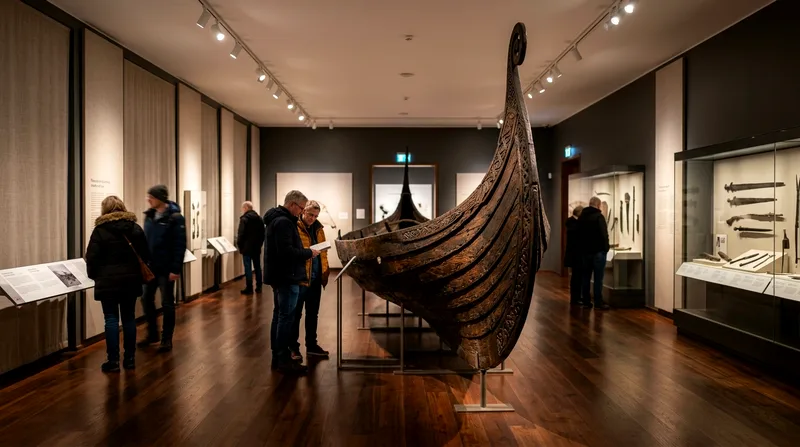
Find the best museums in Reykjavik with ticket info, hours, and what to see. A practical guide to Viking history, art, and rainy-day plans.
9 min read · 15 Oct 2026
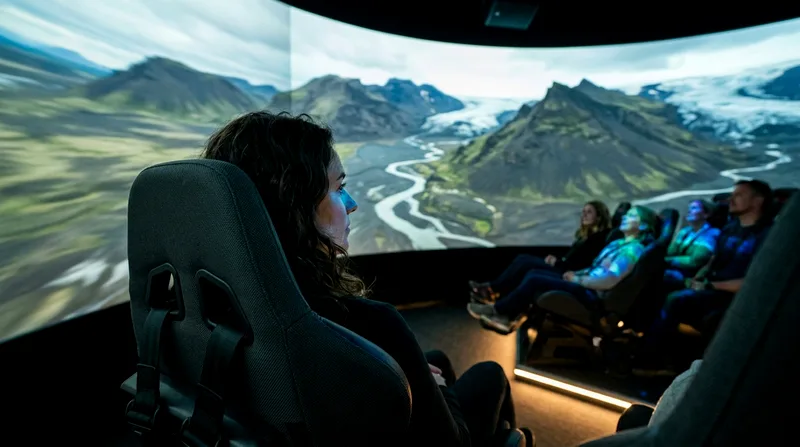
FlyOver Iceland tickets, pricing, and reviews. Learn about the ride experience, restrictions, and how to get discounted tickets in Reykjavik.
9 min read · 15 Oct 2026
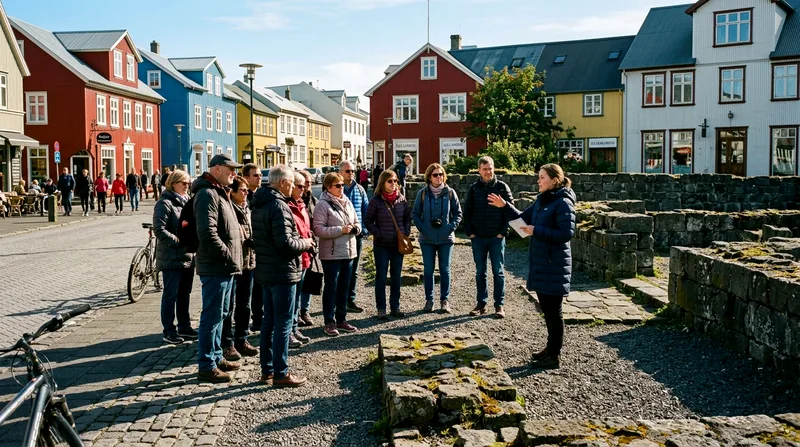
Compare free tip-based walking tours with paid themed walks in Reykjavik. Find the right guide for history, food, culture and more before booking.
9 min read · 15 Oct 2026

Planning to visit? Here's what Perlan Museum Reykjavik tickets cost, what's inside, planetarium show options and how to time your visit.
10 min read · 15 Oct 2026
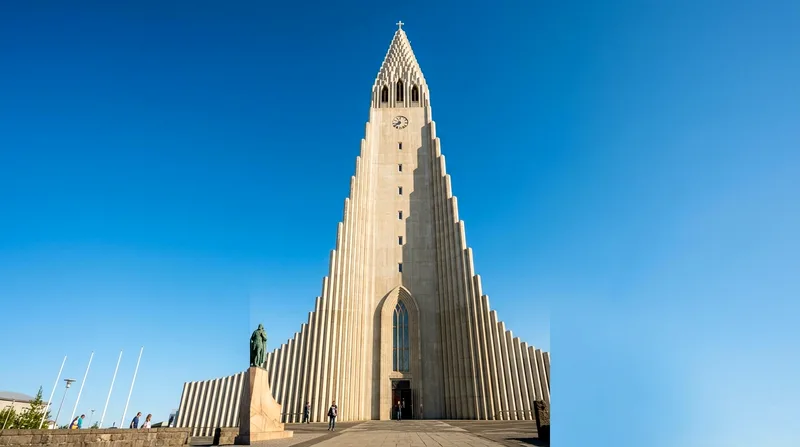
Buy Hallgrimskirkja tower tickets online. See 360° Reykjavik views from the observation deck. Hours, prices, best time to visit and nearby attractions.
9 min read · 15 Oct 2026
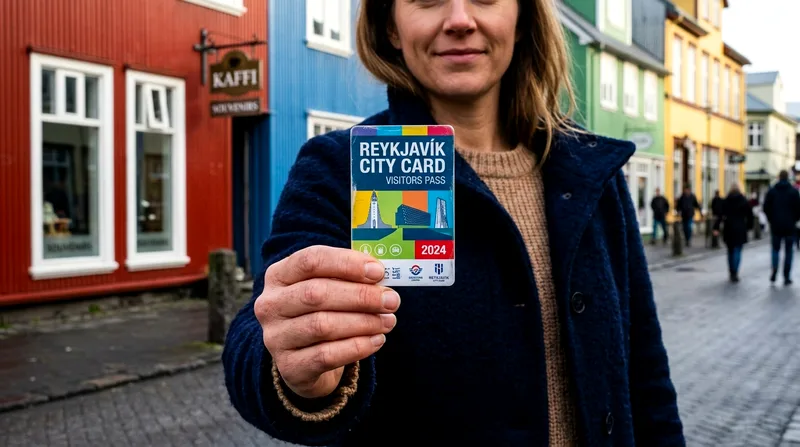
Is the Reykjavik City Card worth it? Compare included attractions, transport coverage, and pricing to see if it saves money on your trip.
8 min read · 15 Oct 2026