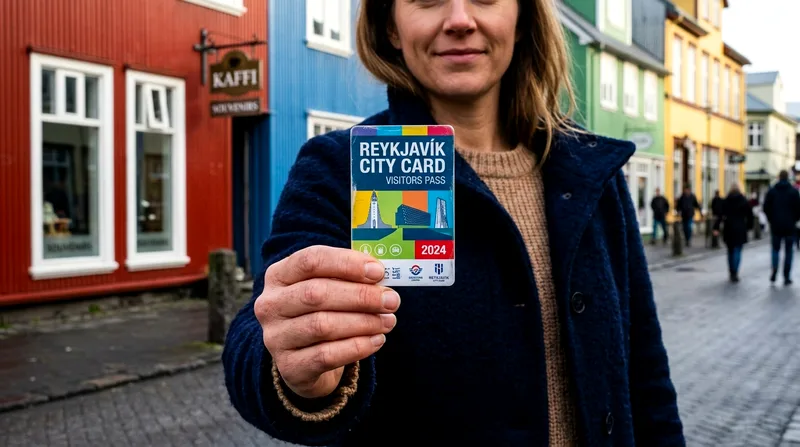
Is the Reykjavik City Card worth it? Compare included attractions, transport coverage, and pricing to see if it saves money on your trip.
What Is the Reykjavik City Card?
The Reykjavik City Card is a prepaid sightseeing pass covering admission to most municipal museums and galleries, several swimming pools, a ferry to Videy Island, and unlimited rides on Reykjavik's public bus network (Strætó). It's aimed squarely at visitors who plan to pack in several paid attractions in a short window rather than spread sightseeing over a slow-paced week.
Whether it's worth buying comes down to arithmetic, not marketing. Reykjavik isn't an expensive city to walk around — many of its best features (the harbor, Hallgrímskirkja's exterior, Laugavegur's shops) cost nothing. The card earns its price only when you stack up individual admission fees that, bought separately, would exceed the card cost. Buy it without checking your itinerary first and you'll likely overpay.
How the card works
You buy the card for a fixed duration — 24, 48, or 72 hours — starting from first use, not from purchase. It comes as a physical card or digital pass depending on the purchase channel, and you simply show it at the ticket desk of each participating attraction or tap it on buses. There's no daily cap on museum visits; you can visit the National Museum of Iceland in the morning and the Reykjavik Art Museum's Hafnarhús branch in the afternoon, both covered.
The clock runs continuously once activated, so a 48-hour card bought at 3pm expires at 3pm two days later — plan activation time around your schedule, not the calendar date.
Who should consider it
Consider the card if you're planning three or more paid museums or pools in your chosen window, or if you'll ride the bus frequently instead of walking or taxiing everywhere. Families with kids who want to combine Perlan's planetarium and ice cave exhibit with a swim at a thermal pool and a couple of bus trips tend to break even fast. If your plan is mostly hiking, day tours to the Golden Circle, or South Coast excursions, skip it — the card doesn't cover any tours leaving the city, including trips toward Vik or the glacier lagoons near Hofn.
What's Included and Excluded
The card's value lives and dies on its included attractions list, so read it attraction by attraction rather than trusting the general pitch. It covers entry fees you'd otherwise pay individually at the door — some of which are modest, some surprisingly steep for a single museum visit.
Museums and galleries covered
Core inclusions typically cover the National Museum of Iceland, the Settlement Exhibition (Reykjavik 871±2), the Reykjavik Art Museum's three locations (Hafnarhús, Kjarvalsstaðir, Ásmundarsafn), the Maritime Museum, and the Reykjavik Museum of Photography. Perlan's exhibitions are sometimes included or discounted depending on the current agreement — confirm this on the official site before counting on it, since Perlan's ice cave and planetarium shows are among the pricier standalone tickets in the city. Harpa Concert Hall's architecture tours are occasionally bundled too, though concert tickets themselves never are.
Transport and other benefits
Unlimited Reykjavik Public Transport (Strætó) rides are a genuine strength of the card, especially if you're staying outside the compact downtown core — say, near BSÍ bus terminal or in Kópavogur — and don't want to pay per-ride fares, which add up fast for a family of four making multiple trips a day. The card also typically includes entry to several geothermal swimming pools (Laugardalslaug, Sundhöll, Vesturbæjarlaug) and free parking in municipal lots marked P1 and P2, a minor but real perk if you've rented a car for a day in the city before heading toward the Golden Circle.
What you won't get
The card won't cover the Blue Lagoon, Sky Lagoon, whale watching tours, Golden Circle day trips, airport transfers, or food and drink anywhere. It also doesn't include private or guided walking tours, even ones departing from downtown. Don't assume "city pass" means every attraction in greater Reykjavik — it's a defined list, and it changes periodically, so cross-check the current included attractions list on the official card website rather than relying on older blog posts, including this one.
Card Duration Options Compared
Reykjavik City Card price scales with duration — 24, 48, and 72-hour versions — and the per-day cost drops the longer you commit, as is typical with city passes everywhere from Bergen to Tromsø. The real question isn't which card is cheapest per day, but which duration matches how many attractions you can realistically fit in.
The 48-hour card offers the best balance of flexibility and value for most short visits, while the 72-hour version only earns back its cost with a packed three-day itinerary.
Reykjavik City Card duration options compared for price, coverage, and best use
| Card Duration | Typical Use Case | Bus Transport | Best For |
|---|---|---|---|
| 24-hour | One intensive sightseeing day | Unlimited | Day-trippers, layover visitors |
| 48-hour | Standard short city break | Unlimited | Most couples and families |
| 72-hour | Extended Reykjavik base | Unlimited | Longer stays, slow travelers |
Exact prices change periodically; confirm current figures on the official Reykjavik City Card website before buying.
24-hour vs 48-hour vs 72-hour
The 24-hour card suits a single intense sightseeing day — museum in the morning, pool in the afternoon, bus rides throughout. The 48-hour card fits most short city breaks and is the most commonly bought option, giving room for two moderate days without the pressure of cramming everything into one. The 72-hour card only makes sense if you're based in Reykjavik for three-plus days and treating it as a city-exploration base before heading out toward Akureyri or the Westfjords — otherwise you'll likely run out of included attractions before the clock runs out, and the per-day saving shrinks accordingly.
Price-per-attraction breakdown
Work out value by estimating standalone admission costs for what you'll actually visit. The National Museum, Settlement Exhibition, and Maritime Museum each typically charge in the range of a mid-price museum ticket you'd expect in a European capital — individually modest, but three or four of them plus a pool visit and several bus fares adds up quickly. If your total of separate admissions plus transport fares would exceed the card's price for your chosen duration, it's worth it; if you're only doing one museum and walking everywhere else, it isn't. Do this math with current prices pulled from each attraction's own website, since museum fees do shift.
Where and How to Buy
Buying through the right channel matters less for price — official channels are the only reliable source for current, accurate pricing — and more for avoiding resale markups or outdated attraction lists sold by third parties.
Official purchase channels
The safest route is the official Reykjavik City Card website, where you can buy a digital pass redeemed via QR code or app, activated the moment you first use it. Physical cards are also sold at Reykjavik's main tourist information centers and some hotel front desks downtown. Avoid buying through unaffiliated resale sites or marketplace listings promising discounts — the included attractions list and pricing are set by the city, and third-party sellers have no authority to alter them, so any "deal" is either the same price repackaged or a card that's not valid.
Booking in advance vs on arrival
Buying in advance online means you can activate it exactly when your sightseeing day starts, which matters because the clock runs from first use, not purchase. Buying at a tourist information desk on arrival works fine too, and gives you a chance to ask staff about any temporary attraction changes. There's no meaningful price difference between the two methods — choose advance purchase if you want to start museum-hopping the moment you land, and on-arrival purchase if your schedule is still loose.
Is It Worth It by Traveller Type
"Reykjavik City Card worth it" isn't a single answer — it depends heavily on who's asking and how they travel. Here's how it breaks down by common traveler profiles.
Budget travelers
If you're counting every krona, the card can help only if you were already planning to pay for multiple museums and buses — it's not a discount mechanism for free activities. Budget travelers who intend to hike around Reykjavik's coastline, visit Hallgrímskirkja's free exterior, and eat from grocery stores rather than restaurants may find the card an unnecessary expense. Compare it against simply paying single admission at the one or two sights you actually care about.
Culture-focused visitors
This is where the card shines. Visitors planning to work through the National Museum, Settlement Exhibition, and all three Reykjavik Art Museum branches in a couple of days will almost certainly spend more buying tickets individually than the card costs. Add a swim at Sundhöll or Laugardalslaug and a few bus rides between sites, and the math tips further in the card's favor.
Short-stay tourists
If you've got a long layover or a single full day in Reykjavik before flying out of Keflavik or heading onward to Akureyri or Husavik for whale watching, the 24-hour card can work well — provided you move efficiently between two or three included sights and lean on the bus rather than taxis. For a half-day stop, though, even the 24-hour card is probably overkill; you won't have time to use enough of it.
Frequently asked questions
Does the Reykjavik City Card include public transport?
Yes — the card includes unlimited rides on Reykjavik's Strætó bus network for its full validity period, which is one of its most consistently useful benefits, especially if you're staying outside the compact downtown core or traveling with kids who tire of walking.
What museums and galleries are included?
Typical inclusions are the National Museum of Iceland, the Settlement Exhibition, the Reykjavik Art Museum's three sites, the Maritime Museum, and the Museum of Photography. Perlan and a few other sights are sometimes included or discounted depending on current agreements, so check the official included attractions list before you rely on any specific one.
How long is the card valid for?
You choose 24, 48, or 72 hours at purchase, and the validity period starts from the moment you first use it, not from the time of purchase. A 48-hour card bought in the evening but activated the next morning only starts counting down at activation.
Where can I buy the Reykjavik City Card?
Buy it directly through the official Reykjavik City Card website for a digital pass, or in person at Reykjavik's tourist information centers and some hotel front desks. Avoid third-party resellers — they offer no price advantage and risk selling outdated or invalid passes.
Is the Reykjavik City Card worth buying for a short trip?
For a one- or two-day visit focused on museums, pools, and bus travel, yes — the 24 or 48-hour card usually pays for itself if you hit three or more paid attractions. For a short trip centered on nature day tours or free outdoor sights, you're better off skipping it and paying individual admissions where needed.