Weigh the pros and cons of a northern lights boat tour from Reykjavik — seasickness risk, photo quality, pricing factors, and better alternatives.
Who Boat Tours Suit Best
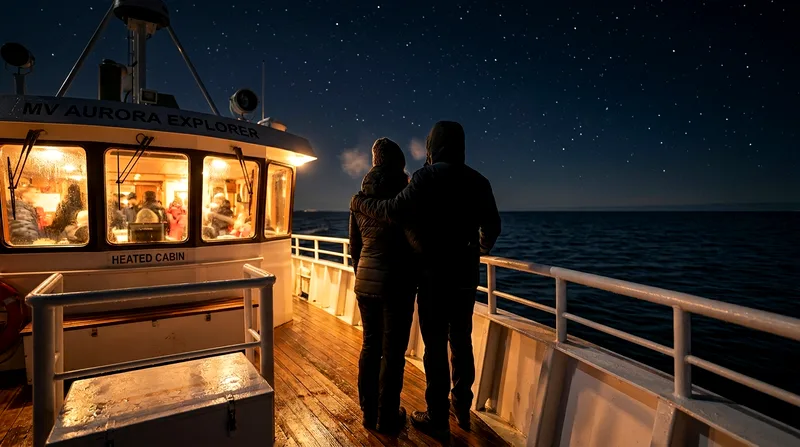
A northern lights boat tour from Reykjavik is a specific experience, not a universal one. You're on an open or semi-covered vessel in Faxaflói Bay, watching the sky above the Atlantic Ocean rather than above a lava field or mountain ridge. That changes everything about who should book one.
The appeal is real: no driving, no tripod hauling across an ice-crusted car park, and a genuinely different backdrop — city lights receding behind you, black water underneath, occasionally joined by the hum of the engine cutting out once the crew finds a dark patch of sea. For a couple wanting a quieter, more intimate version of the aurora chase, that's worth something a 50-person coach can't offer.
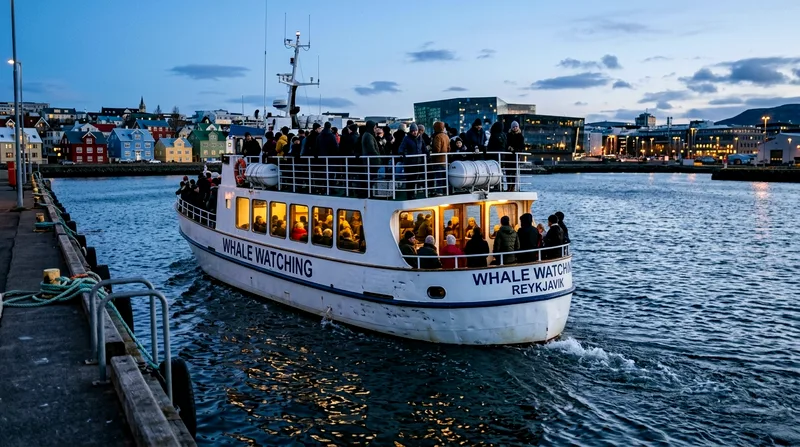
But it's not the most reliable way to see the aurora at its best. Boats depart from Reykjavik's Old Harbour and stay on the water for roughly two to three hours, which limits how far they can run from the city's light pollution compared with a coach that can drive 40-60 minutes inland. If skies are marginal, land tours often have more flexibility to chase clear patches.
Ideal Traveler Profiles
Couples and solo travelers without a rental car tend to get the most value here, especially those staying in central Reykjavik who want an evening activity that doesn't require transit logistics. World travelers collecting a varied set of Iceland experiences — having already done a glacier lagoon trip to Jökulsárlón or a coastal drive around Snæfellsnes Peninsula — often add a boat tour for contrast rather than as their primary aurora attempt. It also suits visitors on a short layover who want one evening activity that's easy to book last-minute from a hotel desk, since harbor departures run nightly in season with minimal transfer time.
Physical Considerations
Be honest about your tolerance for cold, motion, and standing. Temperatures on open water run several degrees colder than on land because of wind chill, and most boats only offer partial indoor shelter — you'll want thermal layers, not just a regular winter coat. Senior travelers with balance issues or anyone unsteady on moving surfaces should think carefully; boats mostly have deck rails and narrow walkways, and there's no way to simply sit this one out comfortably if conditions turn choppy. Families with young children rarely do well on these — the combination of cold, late hours (departures are typically between 9 and 11 PM), and a moving deck is a tough ask for anyone under ten.
Boat Tours vs. Land-Based Alternatives
Land tours dominate the Reykjavik aurora market for a reason: a coach or small minibus can drive to genuinely dark sky away from the city, reposition if clouds roll in, and give you solid ground to set up a tripod. Self-drive is the other serious option if you're comfortable on Icelandic roads at night in winter, which isn't nothing — ice, single-lane bridges, and sheep on the shoulder are real hazards after dark.
Boats can't reposition the way a coach can. Once you're out in Faxaflói Bay, you're committed to whatever the sky does in that stretch of water for the next couple of hours. That's the single biggest trade-off: you gain a unique vantage point and skip the driving, but you lose the chase-the-clear-patch flexibility that makes land tours more reliable on marginal nights.
Coach tours generally offer the best balance of reliability and comfort, while boat tours trade flexibility for a unique over-water setting.
Northern lights boat tour Reykjavik vs. coach and self-drive options compared
| Option | Typical Duration | Flexibility to Chase Clear Sky | Seasickness Risk | Best For |
|---|---|---|---|---|
| Boat tour (Faxaflói Bay) | 2-3 hours | Low — fixed route on water | Moderate to high in rough seas | Couples, novelty seekers, car-free travelers |
| Coach/minibus tour | 3-5 hours | High — can reposition inland | None | First-timers, photographers, most families |
| Self-drive | Open-ended | Highest — full control of route | None | Confident winter drivers, flexible schedules |
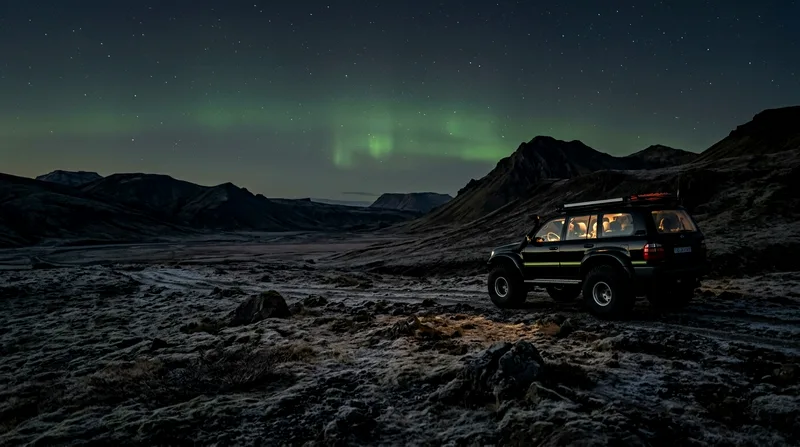
| Small-group 4x4 tour | 3-4 hours | High — off main roads to darker sites | None | Serious photographers, small groups |
Durations and conditions vary by operator and night; always check the live forecast and current tour details before booking.
Comparison Table: Boat, Coach, and Self-Drive Options
See the comparison table below for how boat, coach, and self-drive aurora options stack up on cost, flexibility, and comfort. None is objectively "best" — it depends on whether you prioritize mobility, budget, or photo control.
When Water Viewing Wins
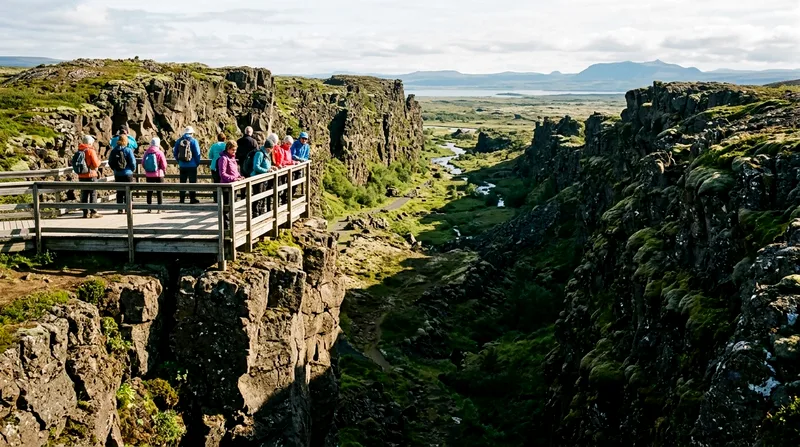
Water-based viewing earns its place on a genuinely clear, calm, low-wind night — the kind of evening when the forecast shows a KP index of 3 or higher and minimal cloud cover over the bay. On those nights, the reflection of the aurora on still water adds a visual layer a field in Þingvellir or a layby near Vik simply doesn't offer. If you've already done a land-based tour on a previous Iceland trip and want something different on a return visit, or if you're specifically drawn to the idea of watching lights dance over the Atlantic with Reykjavik's skyline behind you, a boat tour delivers a scene no coach trip replicates.
Key Factors When Booking a Tour
Not all aurora boat tours are built the same, and the differences matter more on water than on land because you have fewer options to adapt once you've left the dock.
What's Included and Group Size
Most tours include the boat trip itself, a safety briefing, and sometimes insulated outerwear suits or blankets — check this specifically, since Atlantic wind chill is no joke in October through March. Hot chocolate or a hot drink is common on mid-range and higher-priced departures. Group sizes vary from larger passenger boats carrying 100+ people to smaller sailing boats or RIBs (rigid inflatable boats) with 12-20 passengers; smaller boats generally mean better rail access and fewer people blocking your view, but less shelter from wind and spray. Pricing in Reykjavik's aurora boat market tends to scale with boat size and comfort features — larger, more sheltered vessels sit at the higher end, while basic sailing tours sit lower. Always compare current prices and reviews before you book, since operators adjust routes and inclusions by season.
Cancellation Policies and Seasickness Guarantees
Look for two things in the fine print: a cloud/aurora guarantee (a free repeat trip if no aurora is visible, common across most Reykjavik operators, land and sea alike) and a clear weather-cancellation policy, since rough seas can cancel a boat departure entirely when a coach tour would simply proceed. Few operators offer a specific "seasickness guarantee" — refunds for feeling sick mid-trip are rare — so take motion sickness tablets beforehand if you're at all unsure, and ask at booking whether the vessel has indoor seating you can retreat to.
Best Time to Book and Go
Aurora boat tours in Reykjavik run only within the dark-sky season, and timing your booking right matters more for water trips than land ones because weather-related cancellations are more frequent at sea.
Seasonal Aurora Activity and Weather
The season runs roughly late August through mid-April, with the darkest, longest nights — and generally the best odds — from October to March. December and January have the most total darkness but also the highest likelihood of storms and rough seas, which is precisely when boat tours are most likely to cancel. September and late March/early April often give a reasonable compromise: still dark enough, generally calmer water, and milder temperatures on deck. Clear, calm, moonless nights are what you want regardless of month — check the Icelandic Met Office's aurora and cloud forecast the same day, since forecasts beyond 48 hours aren't reliable.
Advance Booking Windows
Book 24-48 hours ahead rather than weeks in advance if you can — aurora and sea-state forecasts simply aren't accurate further out, and most operators let you reschedule free of charge if the forecast turns bad. If you're traveling during peak season (around Christmas/New Year) or a busy weekend, reserve a flexible-date tour a few days ahead so you have options if your first-choice night gets cancelled for weather. Avoid prepaying for a fixed, non-refundable date far in advance — that's the single most common booking mistake with these tours.
Pros and Cons of Viewing From Water
Weigh these honestly before you commit money and an evening to this option.
Photography and Visibility From Deck
This is the biggest practical drawback for serious photographers. Boats move — engine vibration, swells, other passengers shifting weight — which makes long-exposure shots (typically 4-15 seconds for aurora photography) much harder to get sharp. Tripods are often unstable or outright banned on crowded decks for safety reasons. You can still get usable handheld shots at higher ISO on a modern camera or phone with night mode, and the reflection effect on calm water can look genuinely striking when it works. But if you're traveling specifically to capture tack-sharp aurora images, a static, tripod-friendly location on land — a quiet pull-off near Þingvellir or a dark field outside the city — will serve you far better than a moving boat.
Seasickness Risk and Comfort Factors
Faxaflói Bay is relatively sheltered compared with open ocean, which helps, but winter swells still produce noticeable rocking, especially on smaller vessels. If you've ever felt queasy on a ferry, take precautions: an over-the-counter motion sickness tablet an hour before departure, a spot on deck facing the horizon rather than down at a phone screen, and avoiding a heavy meal right before boarding. Cold is the other comfort factor people underestimate — dress for standing still outdoors in wind for two-plus hours, with insulated boots, a hat that covers your ears, and gloves you can still operate a camera in.
Frequently asked questions
Is it worth taking a northern lights boat tour from Reykjavik?
It's worth it if you want a different setting than a typical coach tour and you're comfortable with cold, movement, and reduced flexibility if clouds roll in. If your main goal is simply the best chance of seeing the aurora clearly, a land-based tour that can drive to clear sky usually beats a boat tour on reliability.
How much seasickness risk is there on aurora boat tours?
Faxaflói Bay is sheltered compared with open Atlantic water, so most nights are manageable, but winter swells can still cause real rocking on smaller boats. Take a motion sickness tablet beforehand if you're prone to it, and choose a larger, more stable vessel if that's an option at booking.
Can you photograph the aurora well from a boat?
You can get decent handheld shots with a modern camera or smartphone night mode, but tripod-based long exposures — the standard for sharp aurora photography — are difficult or banned on a moving deck. Serious photographers generally get better results from a stationary land tour.
What's included in a typical northern lights boat tour?
Most include the 2-3 hour boat trip, a safety briefing, and often warm outerwear suits or blankets; some add hot chocolate. Check specifics at booking, since inclusions and comfort features vary by boat size and operator, and always compare current prices before confirming.
When should I book a boat tour to see the aurora?
Book 24-48 hours ahead when forecasts are reliable, ideally during September, October, or late March when nights are dark but seas tend to be calmer than peak winter. Avoid locking in a fixed non-refundable date weeks out, since weather and sea conditions can't be predicted that far ahead.