Blue Lagoon vs Sky Lagoon compared: location, crowds, price, and vibe — find out which Iceland geothermal spa suits your trip best.
Quick Comparison: The Options at a Glance
Blue Lagoon vs Sky Lagoon is one of the most common pre-trip decisions for anyone visiting Reykjavik, and it's a genuinely close call. Both are geothermal bathing complexes built around Iceland's volcanic heat, both involve pre-booking and specific bathing etiquette, and both make a legitimate claim to being the country's best geothermal spa. The differences come down to where they are, how busy they feel, and what kind of experience you want wrapped around the water.
Blue Lagoon sits out on the Reykjanes Peninsula near Grindavík, roughly 45 minutes from Reykjavik and close to Keflavik airport. Sky Lagoon sits inside Reykjavik's city limits, a short taxi ride from downtown. That single fact drives most of the rest of this comparison — travel time, crowd patterns, and how each fits into a broader itinerary.
Sky Lagoon wins on convenience and value, Blue Lagoon wins on scale and mineral-rich water, so the right choice depends on your itinerary more than your budget.
Blue Lagoon vs Sky Lagoon compared: location, price, crowds, and best use
| Spa | Distance from Reykjavik | Typical Entry Price | Crowd Level | Best For |
|---|---|---|---|---|
| Blue Lagoon | approx. 45 min drive | Mid to high tier, premium packages cost more | High, especially midday | First-time visitors, airport layovers, iconic experience |
| Sky Lagoon | approx. 15-20 min drive | Lower to mid tier, ritual add-on costs more | Moderate, lower at off-peak hours | Time-pressed travelers, city-based itineraries, quieter soak |
Prices and crowd patterns shift by season and time slot; check current prices and availability before booking either spa.
Blue Lagoon overview
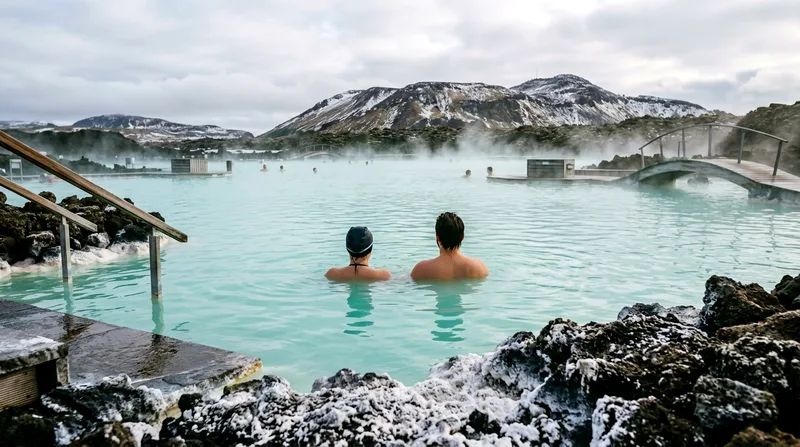
Blue Lagoon is the original, opened to the public in the 1980s after bathers noticed the mineral-rich runoff from the adjacent Svartsengi geothermal power station had therapeutic qualities. The water is a milky, opaque blue from silica and algae, kept around 37-39°C (98-102°F) year-round. It's a sprawling lagoon with multiple zones, a swim-up bar, a sauna, and an in-water mask station using silica mud. It's the one most non-Icelanders have already heard of, and that fame is both its biggest asset and its biggest drawback.
Sky Lagoon overview
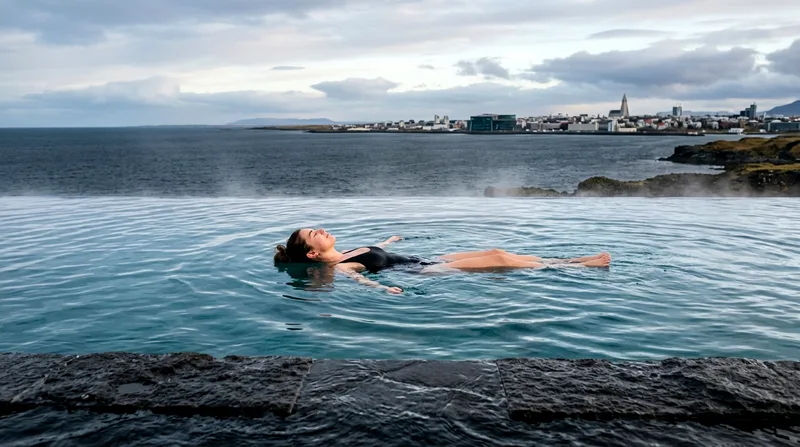
Sky Lagoon opened considerably more recently, right on Reykjavik's coastline in the Kópavogur area facing the open ocean. The signature feature is an infinity-edge pool that appears to spill into the sea, with the city skyline and mountains across the bay as backdrop. Sky Lagoon leans into a wellness-circuit concept — the "seven-step ritual" that moves bathers through a cold plunge, sauna, steam room, and body scrub — rather than Blue Lagoon's single large bathing area. It feels more like a design-led spa than a natural phenomenon turned attraction, which some people prefer and others find less distinctive.
Location and Accessibility
This is the single biggest practical difference between the two, and it should drive your decision more than photos ever will.
Blue Lagoon: Grindavík distance and transport
Blue Lagoon is located near Grindavík on the Reykjanes Peninsula, about 45 minutes from central Reykjavik and around 20 minutes from Keflavik International Airport. That airport proximity is deliberate — a huge share of visitors book it as a stop on arrival or departure day, storing luggage and soaking before or after a flight. If you're flying into Keflavik, this logistics advantage is real: no backtracking into the city. But if you're already staying in Reykjavik without a rental car, you're looking at a dedicated round trip, usually by shuttle bus (roughly 50 minutes each way) or taxi, which eats half a day once you include the lagoon itself. Driving yourself is straightforward on Route 41 and 43, but winter conditions on the peninsula can be windy and icy, so check road status if self-driving between November and March.
Sky Lagoon: Reykjavik proximity and convenience
Sky Lagoon sits inside the greater Reykjavik area, close enough that a taxi from downtown runs about 15-20 minutes and costs a fraction of the Blue Lagoon transfer. Several city bus routes and dedicated shuttle services also stop nearby, and some visitors simply walk or cycle if staying in the Kópavogur or Skerjafjörður area. For anyone basing their whole trip in Reykjavik — which is most first-time visitors — this removes an entire logistical decision. You can book a late-afternoon slot, soak for two hours, and still make dinner reservations downtown. That's not something Blue Lagoon's location allows without real planning.
Crowd Levels and Atmosphere
Neither spa is ever truly empty — both run on timed-entry tickets precisely because demand outstrips casual walk-in capacity. But the feel of each is different enough to matter.
Blue Lagoon: Peak times and vibe
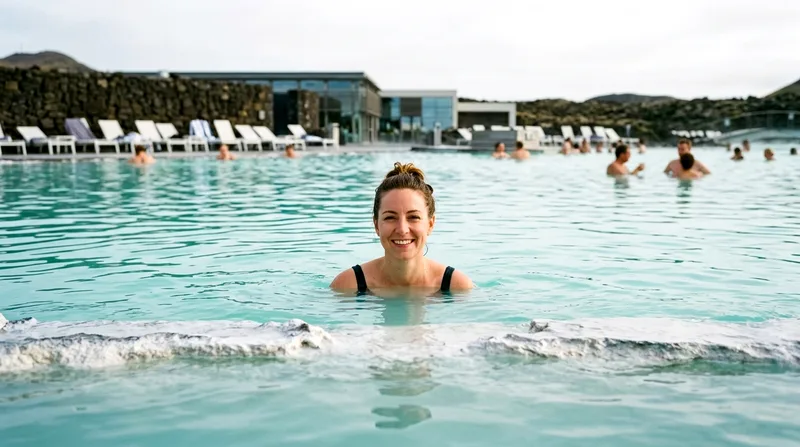
Blue Lagoon's scale — it covers several acres — means it absorbs large numbers without feeling like a swimming pool on a hot day, but midday slots (roughly 11am-3pm) and the window right after large tour groups arrive can feel crowded near the swim-up bar and mask station. Early morning (opening, usually around 8am) or evening slots are noticeably calmer. The atmosphere overall is social and a little bit like an attraction rather than a quiet retreat — expect chatter, selfie sticks near the mask stations, and a steady hum of activity. If you want hush and stillness, this isn't naturally it, though the outer edges of the lagoon, away from the bar, get quieter.
Sky Lagoon: Quieter alternative and setting
Sky Lagoon's infinity pool is large but more contained than Blue Lagoon's sprawl, and the ritual-based layout (moving through cold plunge, sauna, steam, scrub, shower) naturally spreads people out instead of pooling everyone in one spot. Evenings, particularly after 7pm when the light softens or disappears entirely in winter, tend to be the quietest and arguably most atmospheric slots — watching the ocean and city lights from the infinity edge in near-darkness is a genuinely different experience than daytime. It still gets busy with weekend group bookings and cruise-day crowds, so it's not a guaranteed empty pool, but on balance it runs calmer than Blue Lagoon most days.
Price and Value for Money
Price is where "blue lagoon vs sky lagoon price" searches usually land, and the honest answer is that Sky Lagoon is generally the cheaper entry point, though both scale up quickly with add-ons.
Entry fees and package tiers
Blue Lagoon sells tiered packages — a base "Comfort" tier, a "Premium" tier with extras like a second mask and bathrobe use, and private changing-room options at the top. Base entry typically sits in the mid-range for Icelandic attractions and rises substantially for premium and private tiers. Sky Lagoon offers a simpler two-tier structure: a standard "Pure" pass and a "Sky" pass that includes the full seven-step ritual experience. Pure is usually the cheapest geothermal entry of the two spas; Sky Pass lands closer to Blue Lagoon's base tier. Both require booking a specific arrival time slot in advance — walk-ins are not reliably accommodated, especially in peak summer months (June-August) or around holidays.
Inclusions and add-ons
Blue Lagoon's base price includes lagoon entry, one silica mud mask, and towel use; everything else — robes, slippers, in-water drinks, additional masks, dining at the on-site restaurants — costs extra and adds up fast if you're not careful. Sky Lagoon's Pure pass includes entry, towel, and locker access but not the ritual; adding the Sky Pass unlocks the sauna-and-scrub circuit, which many visitors consider the actual highlight, so skipping it to save money is arguably a false economy. Both spas sell food and drink on-site at prices typical of a tourist attraction — not cheap, so budget travelers might eat beforehand. Compare current prices and package inclusions before booking, since tiers and add-ons shift from season to season.
Who Should Choose Which Spa
There's no universally "better" choice here — it depends on who's asking and what else is on the itinerary.
Best for couples
Couples chasing the classic Iceland photo and a longer, more indulgent day trip tend to prefer Blue Lagoon, especially paired with a Reykjanes Peninsula day that also covers the Bridge Between Continents or Reykjanesviti lighthouse. Couples wanting a shorter, more intimate evening — sunset soak, dinner in town right after — usually prefer Sky Lagoon's proximity and the quieter ritual experience, which feels more like a spa date than a tourist stop.
Best for families and solo travelers
Families with young children often find Blue Lagoon's size and amenities (lockers, showers, swim-up snack bar) easier to manage despite the crowds, and it's a natural stop on the way to or from Keflavik with luggage already in tow. Solo travelers short on time, especially those based in Reykjavik without a car, generally get more value from Sky Lagoon — it's bookable as a half-day add-on without derailing a tight schedule built around city museums, the Golden Circle, or a Southeast Iceland trip toward Vik.
The Verdict
If you're flying into or out of Keflavik and want the iconic, sprawling, slightly touristy version of an Icelandic geothermal spa, book Blue Lagoon — just avoid the midday slots if you can. If you're based in Reykjavik, want to avoid a long transfer, and don't mind trading some of the mythology for a calmer, more design-focused soak, Sky Lagoon is the better fit and usually the better value. Neither replaces the less commercial options elsewhere in Iceland — the Mývatn Nature Baths near Akureyri or Húsavík's GeoSea by the whale-watching harbor offer a similar geothermal soak with none of the capital-area crowds, and travelers heading north anyway should weigh those too. For a Reykjavik-based trip, though, it really comes down to time and crowd tolerance, not which spa is "nicer."
Frequently asked questions
Is Blue Lagoon or Sky Lagoon better for first-time visitors?
Blue Lagoon is the better first-timer choice if you want the experience most associated with Iceland and don't mind the extra travel and crowds. Sky Lagoon suits first-timers who'd rather keep logistics simple and spend saved time elsewhere in Reykjavik.
How far is each spa from Reykjavik city center?
Sky Lagoon is about 15-20 minutes by taxi from downtown Reykjavik. Blue Lagoon is roughly 45 minutes by car or shuttle, and closer to Keflavik airport than to the city itself.
Which geothermal spa is cheaper?
Sky Lagoon's base Pure pass is typically the cheaper entry point of the two. Blue Lagoon's base Comfort tier costs more, and both rise sharply once you add premium tiers, the ritual experience, or private facilities.
Can you visit both Blue Lagoon and Sky Lagoon in one day?
Technically yes, but it's a packed day — Blue Lagoon alone needs roughly 3-4 hours including transfer, so stacking both means early starts, tight booking windows, and little time to actually relax at either one. Most visitors do them on separate days.
Which spa is better for avoiding crowds?
Sky Lagoon generally runs calmer, especially in evening slots after 7pm. Blue Lagoon can still be enjoyed quietly if you book the first slot at opening or a late evening slot, avoiding the 11am-3pm peak window.