Glacier hike vs ice cave tour Iceland — compare season, fitness, cost, and views to decide which (or both) to book from Reykjavik.
Quick Comparison: Glacier Hike vs Ice Cave Tour
Anyone planning around Vatnajökull, Iceland's largest ice cap, eventually faces this decision. Glacier hikes and ice cave tours both put you on or inside glacial ice, often on the same outlet glacier — Breiðamerkurjökull near Jökulsárlón is a common access point for both. But they're not interchangeable experiences, and booking the wrong one for your trip dates or fitness level is a common mistake.
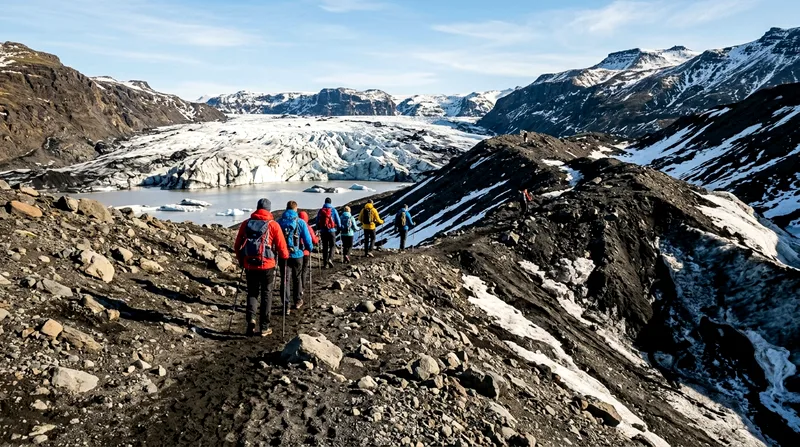
A glacier hike is an active, guided walk across the ice surface, roped and equipped with crampons, usually lasting two to five hours depending on the route. An ice cave tour takes you inside a natural or semi-natural cavity formed by meltwater, usually a shorter outing of one to three hours, with less walking and more standing around admiring blue ice overhead. One is a hike; the other is closer to a guided sightseeing walk with a dramatic backdrop.
Ice cave tours are winter-only and less physical, while glacier hikes run most of the year and demand real walking fitness.
Glacier hike vs ice cave tour Iceland: season, fitness, and cost compared
| Activity | Best Season | Typical Duration | Fitness Level | Typical Group Price (approx.) | Best For |
|---|---|---|---|---|---|
| Glacier hike (easy/intro) | Year-round | 2-3 hours | Moderate | $100-150 | First-time hikers, families with older kids |
| Glacier hike (extended/ice climbing) | Year-round, best May-Sept | 4-7 hours | High | $200-350 | Fit hikers, mountaineers |
| Natural ice cave tour | November-March | 2-4 hours incl. travel | Low-moderate | $150-250 | Photographers, casual visitors |
| Man-made/glacier tunnel tour | Year-round | 1-2 hours | Low | $50-90 | Families, seniors, time-limited visitors |
Prices and access vary by season, glacier conditions, and operator; always check current prices and availability before booking.
What each experience offers
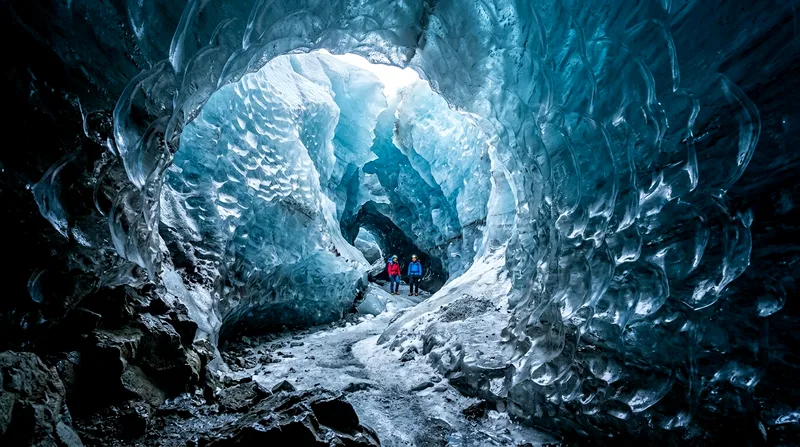
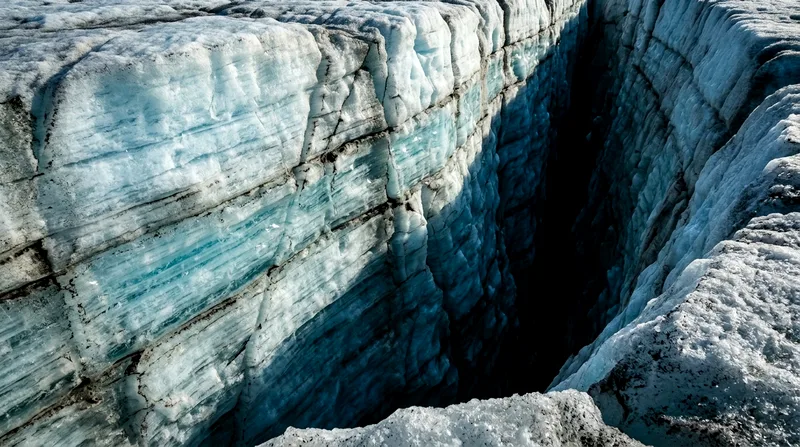
A glacier hike gets you onto the ice cap itself — crunching across pressure ridges, peering into moulins (vertical shafts), and walking past crevasses roped to a guide. You cover real distance, sometimes a mile or more round trip, and the terrain changes constantly. An ice cave tour, by contrast, delivers you to a fixed, spectacular interior space: compressed glacial ice glowing blue, sometimes striped with volcanic ash layers from past eruptions. You don't hike far — often under 15 minutes from the vehicle or meeting point — but the visual payoff inside is immediate and dramatic in a way the open glacier surface isn't.
Key differences at a glance
The biggest differentiator is season — ice caves are only safely accessible in winter, while glacier hikes run nearly year-round. After that, it's physical demand: glacier hikes require sustained walking on uneven, slippery terrain, while ice cave tours involve short walks and more standing. Cost tends to run close for standard group tours, though ice cave add-ons (like combining with a Jökulsárlón boat trip) push the price higher. If you want movement and a workout, lean hike. If you want the single best photo of your trip, lean cave.
Season and Weather Considerations
This is the factor that should decide things for most people, because it's non-negotiable. Natural ice caves form and stay stable only when the glacier surface is frozen hard enough to prevent collapse, which in practice means a window from roughly November to March. Outside that window, meltwater reopens and destabilizes the caves, and reputable operators simply stop running tours into them — no amount of money gets you in during July.
Glacier hikes don't face that constraint in the same way, though conditions shift. Summer hiking (June to August) means longer daylight, easier footing in parts, but more exposed crevasses and meltwater streams to navigate. Winter hiking means shorter days, colder wind chill, and sometimes firmer, more consistent ice underfoot — some guides actually prefer winter ice for hiking because it's less slushy.
Glacier hike seasonal windows
Glacier hikes on Vatnajökull's outlet glaciers, including routes from Skaftafell in Vatnajökull National Park, run in every month. That said, shoulder seasons — April/May and September/October — often give the best balance: daylight long enough for a full tour, fewer crowds than peak summer, and ice conditions that are neither too soft nor brutally cold. If you're set on a summer Iceland trip (June-August), know you'll share the glacier with far more groups, and tour operators may run hikes back-to-back all day.
Ice cave tour seasonal windows
If an ice cave is the priority, build your Iceland trip around winter — there's no way around it. Late November through February tends to have the most stable, reliably blue caves, though which specific caves are open changes year to year depending on glacier melt and movement. Some operators also offer "blue ice cave" tours as part of a Jökulsárlón glacier lagoon day trip, which is worth considering if you're also hoping to see the lagoon's icebergs and, in winter, the nearby Diamond Beach.
Fitness Level and Physical Demands
Glacier hiking difficulty in Iceland gets understated in marketing photos, which tend to show flat, easy ice. In reality, even "beginner" glacier walks involve uneven footing, occasional short climbs, and sustained walking in crampons that take some getting used to. Ice cave tours, by comparison, are far gentler — most of the demand is a short walk over packed snow or ice to reach the cave entrance, then standing and shuffling around inside.
Glacier hike requirements
Expect to walk continuously for one to four hours depending on the tour tier, often gaining and losing elevation on bumpy ice. Operators typically set a minimum age (often 8-10 for easy routes, higher for ice climbing add-ons) and may turn away guests with serious knee, hip, or heart conditions. You'll be fitted with crampons and given an ice axe for balance; no prior experience is required for standard tours, but comfort with roughly 3-5 km of walking on uneven ground helps a lot. Expect to sweat under layers even in winter — it's more exertion than people assume.
Ice cave tour requirements
Ice cave accessibility is generally better for mixed-ability groups. Walking distances are short, footing inside established caves is usually managed with crampons or ice cleats provided by the guide, and there's minimal climbing. This makes it a realistic option for older travelers or families with younger children who'd struggle with a multi-hour glacier hike. The trade-off: you have far less control over pace, and photography time inside the cave is often limited to keep groups moving, especially in peak winter months when demand is high.
Cost, Duration, and Value
Neither activity is cheap, and both involve specialized safety gear and certified glacier guides — a real cost center that keeps prices well above a typical bus tour. Where you get the most value depends on what you're optimizing for: time, photos, or physical experience.
Typical pricing and inclusions
Standard glacier hikes from the south coast or via a day trip from Reykjavik typically run in the $100-150 range for a two-to-three-hour "intro" hike, climbing to $200-350 for extended routes or ice climbing add-ons. Ice cave tours generally land between $150-250 for a natural blue ice cave experience including transport, with cheaper man-made glacier tunnel options (like the one near Langjökull) running $50-90 since they don't depend on natural formation or winter-only access. Gear — crampons, harness, helmet — is almost always included in both; check whether warm outer layers or boots are provided, since many aren't.
Time commitment comparison
Factor in transport, not just the activity itself. A glacier hike or ice cave tour departing from near Jökulsárlón or Skaftafell might only take two to three hours on the ice, but if you're booking a day trip from Reykjavik, add five to six hours of driving each way unless you're staying overnight on the south coast — which most serious glacier-chasers do. A Reykjavik-based day tour combining a short glacier walk with the Jökulsárlón lagoon can eat 12-14 hours total. Staying a night in Vik or near Hofn cuts that transit time dramatically and leaves room for both activities without a brutal single-day slog.
Photography and Views
If a single photo is the goal, these two experiences produce very different results, and it's worth being honest about which one actually photographs better for casual shooters versus which rewards more patience and gear.
Glacier hike photo opportunities
Glacier surfaces offer scale — wide shots of blue-white ice stretching toward dark volcanic mountains, with your group as tiny figures for perspective. Crevasses, moulins, and ash-streaked ice bands make strong foreground subjects. The catch: bright daylight on white ice is harsh and hard to expose well without a polarizing filter, and guides keep moving, so you rarely linger more than a minute or two at any one spot. Aerial-style views of the glacier's scale are better appreciated from a distance (or a drone, where permitted) than from inside the hike itself.
Ice cave tour photo opportunities
This is where ice cave tours win decisively. The low, even light inside a blue ice cave — filtered through meters of compressed glacial ice — produces the saturated blue tones people travel for, and it's far more forgiving to shoot than glaring glacier-surface sunlight. Bring a camera that handles low light reasonably well; phone cameras do fine with HDR mode but struggle in darker cave sections. Tripods are usually impractical given group size and time limits, so a fast lens or a phone with night mode beats heavy gear. Expect company — popular caves get crowded with other tour groups, which can crowd your shots and your patience.
Which Should You Choose?
Weigh this against your actual trip, not an idealized one. If you're visiting in July, the ice cave question is moot — go glacier hiking, full stop. If you're visiting in January with limited mobility in your group, the glacier hike is the wrong call and the ice cave (or a man-made tunnel) is the better fit. Compare this decision to choosing between Husavik whale watching and a Golden Circle tour — it's less about which is "better" and more about which matches your dates, stamina, and what you're trying to see.
Best for adventure seekers
If you want to feel the trip in your legs, book the glacier hike — ideally an extended route or one with an ice climbing component. Mountaineers and hikers comparing this to multi-day treks elsewhere in Iceland (say, around Skaftafell's marked trails) will find the glacier hike the more satisfying, active half-day. Pair it with a stay near Hofn or Vik rather than a rushed Reykjavik day trip, so you're not wrecked by a 12-hour round trip before or after.
Best for casual visitors
Families with younger kids, seniors, or anyone short on time should lean toward the ice cave tour, or the man-made glacier tunnel if visiting outside winter. It delivers the single most photogenic moment with the least physical toll — closer in spirit to visiting Jökulsárlón lagoon than to a strenuous hike. If your itinerary also includes Akureyri or Isafjordur in the north, note that the big winter ice caves are a south/southeast Iceland specialty tied to Vatnajökull, not something you'll find near those towns.
Frequently asked questions
Can beginners do a glacier hike in Iceland?
Yes — standard "easy" or "intro" glacier hikes are designed for first-timers with no prior experience. Guides provide crampons, ice axes, and harnesses, and routes are chosen for manageable terrain. You should be reasonably fit enough to walk continuously for one to three hours on uneven ground; serious joint or heart conditions are the main disqualifiers operators flag.
Are ice cave tours safe?
Guided tours into vetted natural ice caves are considered safe because guides check structural stability daily and close caves that show cracking or melt risk. The danger comes from unguided visits — never enter a glacier ice cave without a certified guide, since collapse risk and crevasse hazards nearby are real and have caused fatalities in Iceland.
Which is more expensive: glacier hike or ice cave tour?
They're broadly similar for standard group tours, both typically in the $100-250 range depending on duration and inclusions. Ice cave tours bundled with a Jökulsárlón boat ride push higher, while basic man-made glacier tunnel visits (available year-round) are cheaper, often $50-90, since they skip the natural-formation logistics.
Can you do both a glacier hike and ice cave tour?
Yes, and many winter visitors do, usually on a south coast trip based near Vik, Hofn, or Skaftafell rather than as a single rushed day from Reykjavik. Combining both in one day is possible if operators schedule back-to-back departures near Jökulsárlón, but budget a full day and expect to be on your feet for 5-6 hours total.
What's the best season for glacier tours in Iceland?
For glacier hikes, shoulder seasons (April-May, September-October) offer a good mix of daylight and manageable crowds, though hikes run year-round. For ice caves specifically, November through March is the only realistic window, with December through February generally producing the most stable, vividly blue caves.