Compare natural and man-made ice cave tours from Reykjavik. Learn seasonal availability, what's included, and how to book Vatnajökull and crystal ice caves.
Who Each Ice Cave Tour Suits
Booking an ice cave tour in Iceland starts with a honest read of your own travel style. These trips split roughly into two experiences — natural glacier caves carved by meltwater inside Vatnajökull, and man-made or "crystal" caves cut into glacier ice near the margins — and each suits a different traveler. If you're chasing the deep-blue, glassy ice you've seen in photos, that's almost always a natural cave, found seasonally near Breiðamerkurjökull or within Vatnajökull National Park close to Jökulsárlón and Skaftafell. If you want something bookable in July as confidently as in January, man-made caves are the more practical answer.
Families traveling with children under about 10, and anyone with mobility limitations, should weigh the access requirements carefully before committing. Natural ice cave tours typically involve walking on uneven glacier ice, sometimes for 20–40 minutes each way, wearing crampons over hiking boots. Man-made caves are usually accessed via a shorter, flatter walk or a short vehicle transfer, making them the more forgiving option logistically — though they still require sturdy footwear and warm layers. Solo travelers and photographers tend to gravitate toward natural caves for the lighting and texture; senior travelers and families often do better with the shorter, steadier man-made format.
Adventure seekers and photographers
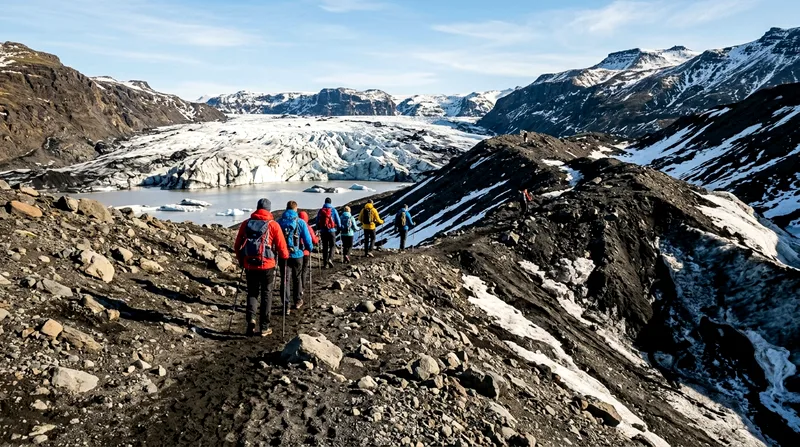
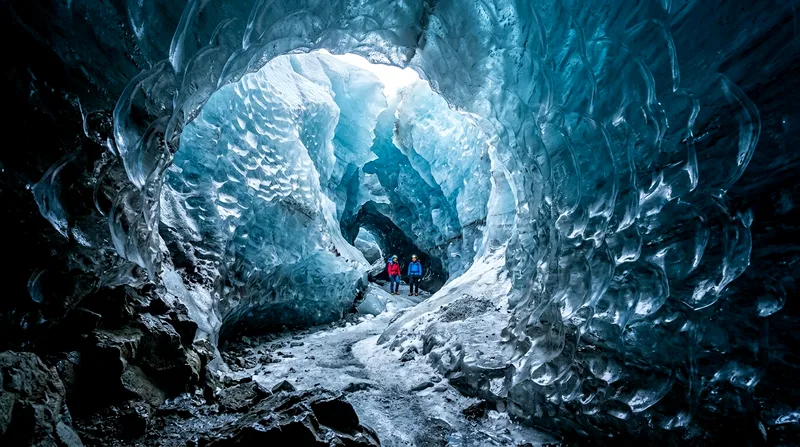
Photographers should prioritize natural ice caves for the light quality alone — sunlight passing through compressed glacial ice produces a deep cobalt-to-turquoise gradient that man-made caves rarely replicate, since artificial caves are often cut deeper into opaque ice with less daylight penetration. Expect low, uneven light inside natural caves; a wide-angle lens and a camera that handles high ISO well matter more than a tripod, since most operators move groups through on a schedule and won't wait for long exposures. Adventure seekers who want to combine the cave with glacier hiking should look at tours that bundle an ice cave visit with a longer Breiðamerkurjökull glacier walk — these run 4–6 hours total and demand a reasonable fitness level, since the terrain includes moraine scrambling before you even reach the ice.
Families and accessibility needs
Most operators set a minimum age for natural ice cave tours, commonly around 6–8 years old, because crampons and uneven glacier surfaces are genuinely unsafe for toddlers. If you're traveling with young kids, a man-made crystal cave tour — often near Vatnajökull's southern edge with vehicle access close to the entrance — is the realistic choice. Always check the specific tour's age and mobility policy before booking rather than assuming; policies vary by season and ice conditions, and a company that allows children in November might restrict access in March once the ice has thinned.
Natural vs. Man-Made Ice Caves
This is the decision that shapes everything else — season, duration, cost, and physical demand. Natural ice caves form when glacial meltwater carves channels through the ice during summer, which then become accessible as hollow chambers once temperatures drop and the structure stabilizes enough to enter safely. That's why they're a winter phenomenon only: typically late October through March, depending on ice stability that guides assess weekly. Man-made caves are literally excavated by machine into stable glacier ice, which means operators can maintain and reopen them across more of the year, though even these usually close during the warmest summer months when ice becomes unstable and meltwater pools.
Natural ice caves offer the classic blue-ice look but only run in winter and demand a full day from Reykjavik, while man-made caves trade some visual drama for year-round access and shorter outings.
Ice cave tour Iceland book comparison: natural vs. man-made caves by season, duration, and difficulty
| Cave Type | Typical Season | Round-Trip Time from Reykjavik | Physical Demand | Best For |
|---|---|---|---|---|
| Natural glacier cave (Vatnajökull/Breiðamerkurjökull) | Late October–March | 12-14 hours (day tour) | Moderate-high, uneven ice | Photographers, adventure travelers |
| Man-made crystal cave | Year-round in most cases | 10-12 hours or multi-day | Low-moderate | Families, seniors, tight schedules |
| Natural cave via 2-day package (overnight near Hofn/Vik) | Late October–March | 2 days | Moderate | Travelers wanting less single-day driving |
| Self-drive plus local glacier guide | Winter for natural, flexible for man-made | Depends on own itinerary | Moderate | Self-drive road-trippers already on south coast |
Figures are typical ranges based on standard itineraries; exact cave access, timing, and closures depend on current ice and weather conditions, so confirm with the tour operator before booking.
Vatnajökull glacier ice caves
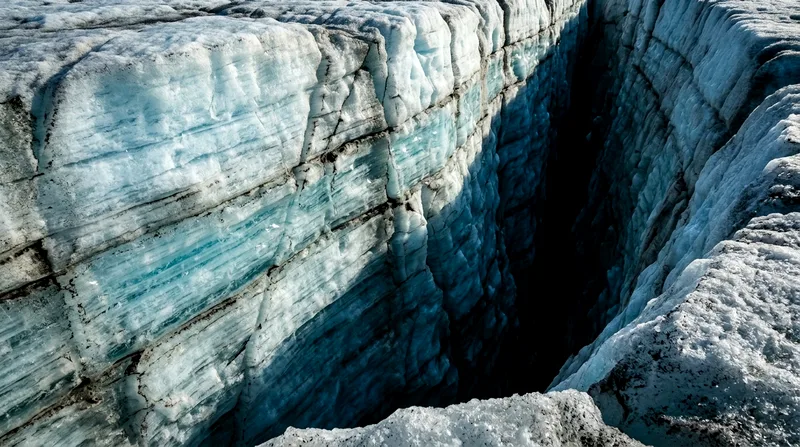
Vatnajökull is Europe's largest ice cap by volume, and its outlet glaciers — particularly Breiðamerkurjökull near Jökulsárlón — produce most of Iceland's famous natural ice caves. These caves are not fixed locations; they shift, collapse, and reform each year as the glacier moves, which is why no two seasons offer exactly the same cave, and why local guides who monitor conditions daily are not optional extras — they're the reason you get in safely at all. Reaching this region from Reykjavik by road is roughly 5 hours one-way (about 380 km), which is why nearly every natural ice cave tour from the capital is either a very long single day (expect 12–14 hours round-trip including the cave visit) or a two-day package with an overnight near Hofn or Vik.
Crystal ice caves and artificial formations
"Crystal cave" is the marketing term for the deep-blue natural caves found in winter — it's not a separate geological category, just a description of especially clear, dense ice. Man-made caves, by contrast, are genuinely artificial: tunnels or chambers cut into glacier ice near accessible staging areas, sometimes within or near Vatnajökull National Park, designed to be enterable regardless of natural ice conditions. The trade-off is honest — you get consistent access and a shorter visit (often under an hour on-site), but the ice can look duller and more uniform than a naturally carved chamber, and the sense of discovery is lower since you're walking through an engineered space rather than a formation shaped by meltwater over a full summer.
Tour Categories: Group, Private, and Logistics
Reykjavik ice cave pickup is the default for most visitors, and it's worth understanding what that actually buys you. Group tours with hotel pickup handle the hardest part of this trip — the long drive, the glacier access permits, and the safety gear — but they also lock you into a fixed schedule and a bus full of other travelers, typically 15–40 people depending on the operator and vehicle.
Group tours with Reykjavik pickup
A standard group day tour from Reykjavik to a natural ice cave runs 12–14 hours door to door, with pickup usually between 6:30 and 8:00 AM from central hotels or designated stops (not every hotel is a direct pickup point — some tours require you to meet at a bus stop or terminal, so confirm this before booking). The price typically bundles transport, a certified glacier guide, crampons, and helmets; lunch is sometimes included, sometimes not. The upside is simplicity and cost-sharing — these tours are generally the most affordable way to see a natural cave. The downside is the day itself: it's long, the bus windows fog up, and you'll spend more hours traveling than inside the cave, which for some travelers undercuts the payoff.
Private tours and self-drive options
Private ice cave tours cost more but solve the biggest complaint about group trips — the rigid schedule and crowded chamber. A private guide can adjust pacing for photography, children, or older travelers, and some operators offer private tours departing from Hofn or Vik rather than Reykjavik, cutting the drive time substantially if you're already road-tripping the south coast. Self-driving to the staging area and joining a smaller local tour (rather than a full Reykjavik round-trip) is a reasonable middle option if you're already renting a car — you avoid the 10-hour round-trip drive from the capital and only need to reach Skaftafell or the Jökulsárlón area under your own schedule, then join a guide for the glacier portion, since entering ice caves without a certified guide is not permitted and genuinely dangerous.
What to Look for When Booking
Not all ice cave listings are equal, and the difference often isn't obvious until you read the fine print. Before paying, check three things: what's actually included, how large the group is, and what happens if the cave closes due to weather or ice conditions — which happens more often than most first-time bookers expect, especially with natural caves in a warm spell.
Inclusions, group size, and cancellation policy
Look for explicit confirmation that crampons, helmets, and a certified glacier guide are included — these should never be optional add-ons for a natural ice cave. Ask or check the listing for group size per guide; a ratio better than roughly 1 guide to 15 travelers makes for a noticeably less rushed visit inside the cave itself. Cancellation policies matter more here than almost any other Iceland tour category, because natural ice caves can close with short notice if a storm moves in or ice stability changes. Reputable operators publish a weather-cancellation policy with either a full refund or free rescheduling — avoid any listing that's vague about this or that only offers credit, not cash refunds, since weather cancellations in this category are a when, not an if, across a typical winter season.
Physical fitness requirements and gear provided
Most natural ice cave tours list a moderate fitness requirement — able to walk 30–45 minutes on uneven, sometimes icy terrain, occasionally with short inclines. Crampons and helmets are standard inclusions; what's not always included is warm base layers, waterproof trousers, or gloves, so check the gear list carefully. Wear wool or synthetic layers, waterproof outer shells, and bring your own good hiking boots if you have them — rented crampons fit over boots, but ill-fitting boots make for a miserable few hours. Skip cotton entirely; it's the single most common mistake I'd flag for first-timers, since once it's wet from glacier meltwater it stays wet for the rest of the day.
Best Season and Booking Timeline
Timing drives almost every other decision in this guide, so it's worth planning around it rather than against it.
Seasonal availability and weather windows
Natural ice cave season runs roughly late October to March, sometimes extending into early April in a cold year, and contracting if the previous summer produced less stable ice. Within that window, December through February tends to offer the most reliable access, since the ice has had more time to solidify. Man-made caves fill the gap the rest of the year, though some close briefly in peak summer heat when meltwater makes the tunnels unsafe. If your Iceland trip lands in June or July and a natural cave is non-negotiable for you, you'll need to accept that it's simply not available — no operator can conjure stable ice in midsummer, regardless of what a listing might imply.
When to reserve for your travel dates
Book 2–4 weeks ahead for peak winter dates — late December through February weekends fill fastest, partly because they overlap with northern lights season and travelers bundle both into one south coast trip. Shoulder months like November and March usually have more flexibility, sometimes bookable within a week of travel. If your dates are fixed and non-negotiable, book earlier rather than later; popular tours with Reykjavik pickup and a fixed guide-to-group ratio sell out especially around the winter holidays. Compare current ice cave tours and prices before you book, since availability and weather-contingency terms shift through the season.
Frequently asked questions
Can you visit ice caves year-round from Reykjavik?
Not natural ones. Natural ice caves near Vatnajökull and Breiðamerkurjökull are only accessible roughly late October through March, when the ice has stabilized enough to enter safely. Man-made or crystal ice caves run closer to year-round, though some still close briefly in peak summer when meltwater makes the tunnels unstable. If your trip falls in summer, a man-made cave or a glacier walk on the surface are your realistic options.
What's the difference between natural and man-made ice caves?
Natural ice caves form when summer meltwater carves channels through glacier ice, which become walkable chambers once winter temperatures stabilize them — they're unique each year and offer the deepest blue coloring. Man-made caves are excavated by machine into stable glacier ice, available on a more predictable schedule but generally less visually dramatic and with a shorter on-site visit, often under an hour.
Do ice cave tours include hotel pickup from Reykjavik?
Most group day tours include pickup from central Reykjavik, usually between 6:30 and 8:00 AM, though not every hotel qualifies as a direct pickup point — some require meeting at a nearby bus stop or terminal. Always confirm your specific hotel is covered before booking, and double-check the pickup location the night before.
What should you wear and bring on an ice cave tour?
Wool or synthetic base layers, a waterproof outer shell, waterproof trousers, warm gloves, and sturdy hiking boots are essential — avoid cotton entirely, since it stays wet once exposed to glacier meltwater. Crampons and a helmet are typically provided by the operator; bring your own boots if possible, since rental crampons fit better over broken-in footwear than borrowed boots.
How far in advance should you book an ice cave tour?
Book 2–4 weeks ahead for peak winter dates, particularly December through February weekends, which overlap with aurora season and sell out faster. Shoulder season dates in November or March often have more last-minute availability. Always check current prices and cancellation terms when booking, since weather-related rescheduling is common for this specific tour category.