Planning the inside the volcano tour Reykjavik offers? Get real prices, timing, fitness tips and booking advice for the Thrihnukagigur descent.
What Is the Thrihnukagigur Volcano Tour
The inside the volcano tour Reykjavik operators sell is built around one extraordinary fact: Thrihnukagigur is the only volcano on Earth where you can descend into the magma chamber itself. The volcano last erupted around 4,000 years ago, and instead of collapsing or refilling, the magma drained back down, leaving behind a hollow chamber roughly 48 meters wide and over 120 meters tall — big enough, as guides like to point out, to fit the Statue of Liberty inside with room to spare.
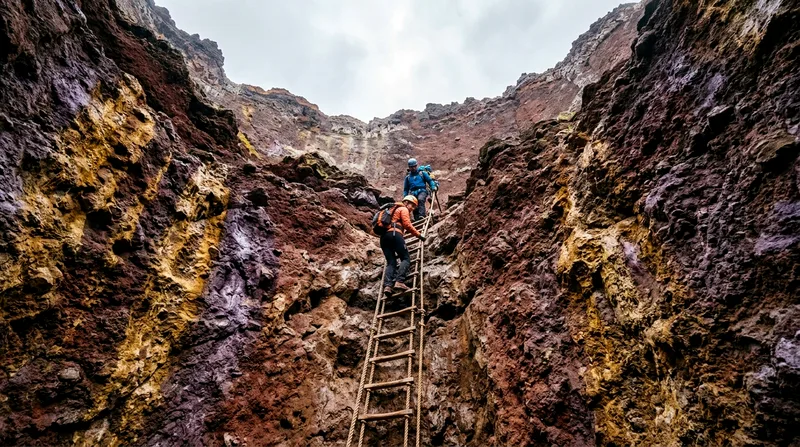
You reach the bottom via an open-sided lift, the same type used to maintain window exteriors on buildings, which was originally engineered for this tour because nothing else existed that could do the job. The descent itself takes about 6 minutes. Once down, you have roughly 30-40 minutes to walk around the chamber floor, where rust-colored, green, and deep red mineral streaks run across the rock walls — a result of different metals leaching through the cooling magma over millennia.
Thrihnukagigur sits in the Bláfjöll area, about 30-40 minutes' drive southeast of Reykjavik. From the parking area, there's a hiking approach before you reach the summit and the lift platform.
The descent and what you'll see
Inside, the chamber feels less like a cave and more like standing inside a cathedral carved by heat rather than hands. There's no artificial lighting beyond a few work lamps strung near the base, so a lot of the color and texture reveals itself slowly as your eyes adjust. Photography is genuinely rewarding here — the mineral streaks photograph well even on phone cameras, though a camera with decent low-light performance helps since the chamber is dim and the lift cage can add glare if you shoot while descending. Guides typically point out specific formations and explain the geological history, including references to research from the Icelandic Geological Survey, which has studied the chamber's formation and stability extensively.
Location and accessibility from Reykjavik
Most tours include return transport from central Reykjavik, which is worth factoring into your day since there's no public bus route out there. The site itself is only accessible via a roughly 3km hike each way across lava rock terrain — not technical, but uneven enough that trainers with good grip matter more than fashion. There's no road directly to the crater; everyone walks in, including guides and staff.
Why Visit Inside the Volcano
I'd put this tour in a different category from most "see Iceland's nature" experiences — it's less about scenery and more about standing somewhere that shouldn't really be accessible. You've probably seen lava fields, glaciers, and waterfalls in photos before visiting; you probably haven't seen the inside of a magma chamber, because almost nowhere lets you.
Unique geological experience
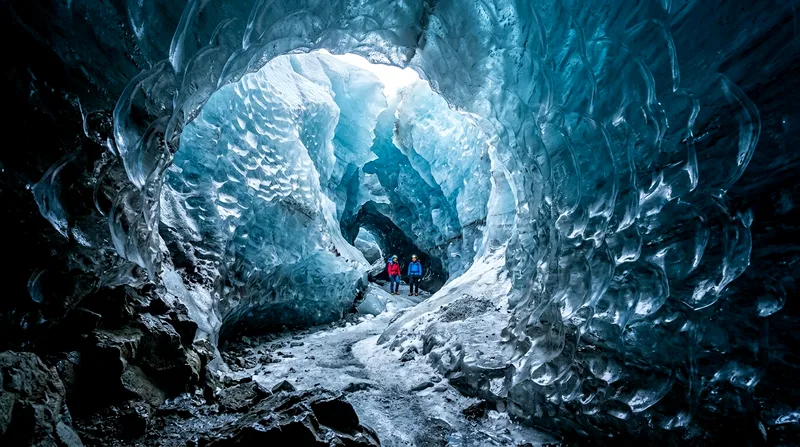
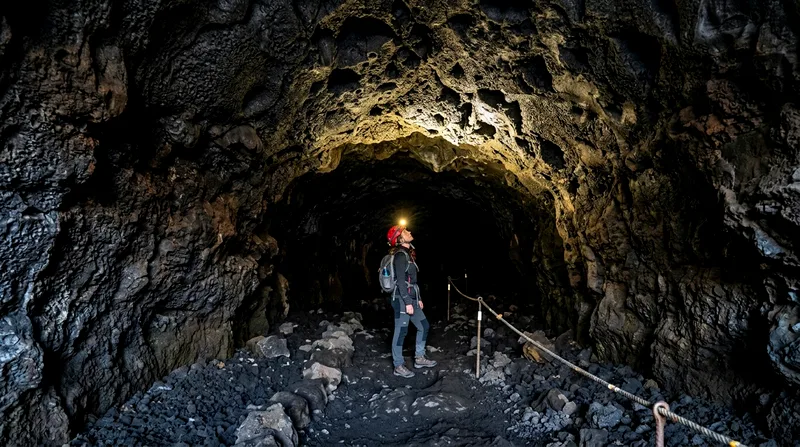
What makes Thrihnukagigur different from, say, lava tube tours near Vik or Hofn is scale and origin. Lava tubes form from flowing lava that cools on the outside while the inside drains out — they're tunnels. Thrihnukagigur is a magma chamber, the reservoir that fed an eruption, and it's enormous by comparison. If you've done a lava tube walk elsewhere in Iceland and found it underwhelming, this is a genuinely different experience in terms of scale and color.
Who it suits best
This suits travelers who want one standout "big ticket" activity during a Reykjavik stay rather than several smaller ones. It works well for couples and solo travelers with decent fitness, and for older children comfortable with heights and a somewhat exposed lift ride. It's a poor match for anyone with knee or hip problems that make a 3km uneven hike difficult, and not ideal for travelers who get uneasy in enclosed, dim spaces, even though the chamber itself is vast rather than tight.
How to Visit: Independent vs. Guided Tours
There's no truly independent version of this tour, and that's worth understanding before you plan around it. The lift, the safety harnesses, and the chamber access are all controlled by licensed operators — you cannot simply hike out and climb in on your own. So the real decision isn't "guided vs. independent" in the usual sense; it's which operator and package to book, and whether you arrange your own transport to the trailhead or take the included pickup.
Self-guided logistics and challenges
If you have a rental car, you can drive yourself to the parking area near Bláfjöll and join a tour group there rather than taking the Reykjavik pickup, which usually trims an hour or so off your day and sometimes shaves a bit off the price. The catch: the parking area isn't always clearly signed, and in poor weather the access road can be rough. If you're nervous about navigating unfamiliar gravel roads, or if you're renting a small economy car, the included transport is the safer call.
Guided tour benefits and structure
A typical guided day runs about 5-6 hours door to door: pickup in Reykjavik, the drive out, the hike to the crater, the descent, time in the chamber, and the return hike and drive. Guides manage the lift schedule, which matters because only a handful of people descend at a time, and they handle the safety harnessing required for the lift ride. Compared with a self-arranged visit, you lose some flexibility but gain a structured, unhurried day where someone else handles logistics — reasonable trade for a tour this operationally complex.
Tickets, Entry Fees and Booking
This is one of the more expensive single activities you'll book in Iceland, and it's worth setting expectations accordingly. The cost reflects the specialized lift equipment, the small group sizes per descent, and the fact that the operating season is short — typically mid-May through early October, weather depending.
Guided tours with Reykjavik pickup cost more but remove nearly all the logistical risk of this remote, weather-sensitive site.
Inside the volcano tour Reykjavik: comparing booking options and logistics
| Option | Approx. price (per adult) | Duration | Transport | Best for |
|---|---|---|---|---|
| Guided tour with Reykjavik pickup | High (check current pricing) | 5-6 hours | Included round-trip | First-time visitors, no rental car |
| Guided tour, meet at trailhead (own car) | Slightly lower | 4-5 hours | Self-drive to Bláfjöll | Travelers with a rental car |
| Combined tour with lava field hike add-on | Higher | 6-7 hours | Included | Hikers wanting extra trail time |
| Off-season booking (shoulder months) | Similar base price | 5-6 hours | Included or self-drive | Fewer crowds, higher cancellation risk |
Exact prices change by operator and season; always check current prices and availability before booking.
Typical pricing and what's included
Expect this tour to sit well above most other Reykjavik day tours in price — it's commonly compared to private glacier or ice cave excursions in terms of cost. What's included generally covers the hike guide, safety harness and helmet, the lift descent, time in the chamber, and return transport if you booked the pickup option. Food usually isn't included, so bring snacks and water, since the hike in and out adds up to roughly 5-6km round trip on uneven volcanic ground.
How to secure your spot
Group sizes for the lift descent are small, and the season is short, so this tour sells out, especially for July and August dates and weekend slots. If your travel dates are fixed, book at least 3-4 weeks ahead in peak summer; shoulder season (May, September) usually has more flexibility but carries higher odds of a weather cancellation. Compare current prices and availability before you book, since operator pricing and package inclusions shift season to season.
Best Time to Visit
Timing here is less about personal preference and more about what the site physically allows. Thrihnukagigur only operates when the trail and crater access are safe and ice-free, which rules out most of the Icelandic winter entirely — a contrast with winter-friendly activities like the Golden Circle or Blue Lagoon that run year-round regardless of season.
Seasonal weather and accessibility
The operating window runs roughly from mid-May to early October. June through August offers the most reliable weather and the longest daylight, useful since the hike portion is entirely outdoors and exposed. September can bring sharper, clearer light and thinner crowds, but also a higher chance of wind strong enough to pause lift operations — the lift cage is open-sided and sensitive to gusts.
Booking windows and crowds
Early morning departures tend to have calmer winds and smaller groups at the trailhead, which matters because only a few people descend per lift cycle. Midday summer slots see more tour buses converging at once, which can mean longer waits at the top even if your actual descent time is fixed. If flexibility allows, book an early slot and arrive at the meeting point with time to spare — Reykjavik traffic out toward Bláfjöll is light, but the trailhead parking fills up on clear summer days.
Nearby Attractions and Add-Ons
Because Thrihnukagigur eats up most of a day, it pairs naturally with other things on the way rather than being bolted onto an already packed itinerary. Think of it as an anchor activity for one full day of your Reykjavik stay rather than a quick stop.
Lava fields and hiking trails
The Bláfjöll area itself has decent hiking beyond the volcano trail, and some operators tack on extra time in the surrounding lava terrain. If lava landscapes are what draw you, it's worth comparing this to the Berserkjahraun lava field on Snæfellsnes or the much younger flows near Mount Fagradalsfjall, which erupted in the 2020s and still shows raw, black, barely-vegetated rock — a strikingly different look from the moss-covered older fields closer to Reykjavik.
Combining with other Reykjavik tours
If you're building a longer Iceland trip, it's worth weighing Reykjavik-based volcano tourism against what's available elsewhere. Akureyri and Husavik lean toward whale watching rather than volcanism; Vik is better for black sand beaches and glacier access; Isafjordur suits fjord hiking. For volcanic activity specifically, Reykjavik and its surrounding peninsula remain the most convenient base, especially compared to flying north first. Many visitors pair the volcano tour with a Golden Circle day or a South Coast trip on separate days, rather than cramming both into one.
Frequently asked questions
How deep do you descend into Thrihnukagigur?
The lift descends about 120 meters to the chamber floor, with the ride itself taking roughly 6 minutes each way. The chamber is wide enough that it doesn't feel like a narrow shaft — more like dropping into an open cavity than squeezing through a tunnel.
Is the inside the volcano tour safe?
Yes, with licensed operators using safety harnesses, helmets, and a purpose-built lift system inspected regularly. The main risks are weather-related — high winds can pause lift operations — and uneven footing on the approach hike, not structural instability in the chamber itself, which geologists consider stable.
What should I wear for the volcano descent?
Sturdy hiking boots or trail shoes with good grip, layered clothing since temperatures inside the chamber sit around 5-6°C (41-43°F) year-round, and a waterproof outer layer for the exposed hike. Gloves help too — the lift cage and chamber walls can be cold to the touch.
Can children do the Thrihnukagigur tour?
Most operators set a minimum age, commonly around 12, partly due to the hike length and partly the harness and lift requirements. Check the specific operator's policy before booking, since minimum ages and height/weight requirements for harnesses vary.
What happens if weather cancels my tour?
Operators typically offer a rebooking for another date or a refund if high winds or heavy rain force a cancellation — this is common enough during the short season that most companies have a clear policy. Confirm the cancellation terms at booking, since policies differ between operators.