Compare Flybus and Airport Direct for Reykjavik transfers. See timing, cost, comfort, Blue Lagoon options, and which suits families or solo travelers.
Flybus vs Airport Direct at a glance
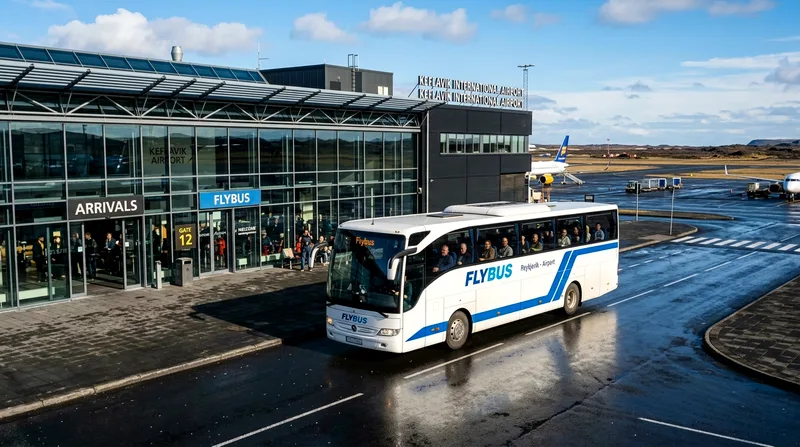
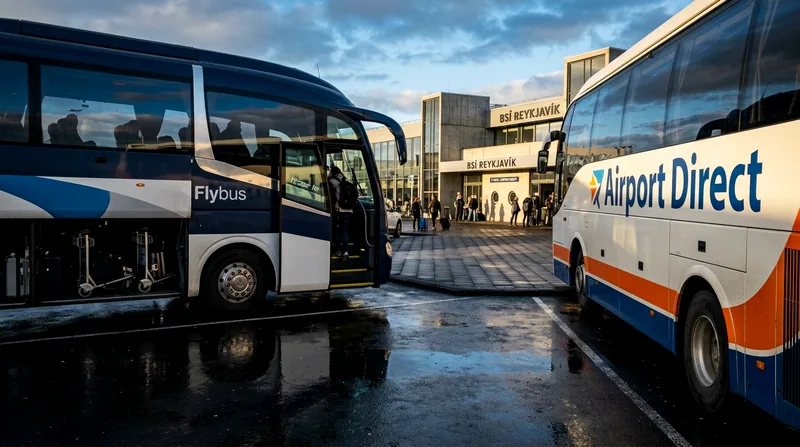
Every visitor landing at Keflavik International Airport faces the same 45-minute question: how do I get to Reykjavik? The flybus vs airport direct reykjavik decision is really a trade-off between price and convenience — there's no wrong answer, just different priorities. Flybus is the long-standing scheduled coach service, timed around flight arrivals, dropping passengers at a central bus terminal with onward transfer to hotels. Airport Direct is the door-to-door minibus alternative, picking you up or dropping you directly at your accommodation without a terminal transfer in between.
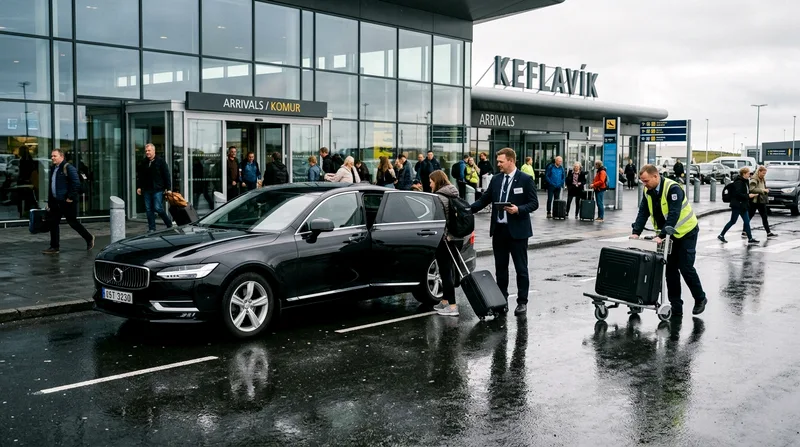
Both operate the same basic route — roughly 50 km from Keflavik to Reykjavik along Route 41 — and both are far cheaper than a taxi, which typically runs 18,000-22,000 ISK (about €120-150) one-way for up to four passengers. If you're traveling with one or two people and don't mind an extra ten minutes on a connecting shuttle, Flybus usually makes more financial sense. If you've got three suitcases, jet lag, and a toddler, the extra cost of Airport Direct's direct drop-off might be worth every krona.
Flybus is cheaper and more frequent; Airport Direct trades a higher fare for a direct drop at your door.
Flybus vs Airport Direct Reykjavik transfer comparison
| Service | Journey time to city | Typical one-way price | Drop-off style | Best for |
|---|---|---|---|---|
| Flybus | 45 min to BSÍ, +15-25 min to hotel | approx. 3,500-4,000 ISK | Terminal + connecting shuttle | Budget travelers, solo travelers, large groups |
| Airport Direct | 45-60 min door to door | approx. 4,500-5,500 ISK | Direct to address | Families, senior travelers, heavy luggage |
| Taxi | 40-45 min direct | approx. 18,000-22,000 ISK (per car) | Direct to address | Late-night arrivals, groups splitting one fare |
| Rental car pickup | Flexible, self-driven | Varies by rental company | Direct, on your schedule | Travelers continuing to Vik or the South Coast same day |
Prices are approximate and change with fuel costs and season; check current prices when booking.
Service overview and route coverage
Flybus runs frequent departures synced to incoming flights, arriving at the BSÍ bus terminal in central Reykjavik before smaller shuttles redistribute passengers to around 100 hotels and guesthouses. That second leg adds 15-25 minutes depending on how many stops are ahead of yours on the route. Airport Direct skips the terminal altogether — their minibuses are routed to pick up and drop at specific addresses, which sounds simpler but means fewer departures per day and a wider scheduling window, since they often consolidate passengers from several flights before leaving.
Coverage matters here. Flybus serves the entire capital region and even extends to towns like Hveragerði and Selfoss with add-on tickets, which no direct-transfer service does. Airport Direct focuses on Reykjavik proper. If you're staying outside the city center — say near Hafnarfjörður — check whether either service reaches your specific address before booking.
Key differences in a table
The clearest way to see the trade-offs is side by side — journey time, cost, and who each service actually suits. Use the table below as your starting point, then read the cost and comfort sections for the details behind the numbers.
Timing and journey duration compared
Speed is rarely the deciding factor between these two — the real question is predictability. Flybus departures are tied directly to flight landing boards, so a coach leaves roughly 30-35 minutes after most arrivals, with buses running through the night for red-eye landings from North America. That reliability matters if you've just spent six hours on a flight and don't want to wait around a baggage hall wondering if a shuttle will show up.
Airport Direct's minibuses depart less frequently, often on a timed schedule rather than flight-triggered, which means longer waits for passengers arriving outside peak windows. The upside is no transfer at BSÍ — once you're on board, you go straight to your hotel. For some travelers that trade-off, a longer initial wait against a shorter total journey without a second vehicle, is worth it. For others, especially solo travelers eager to drop bags and start exploring, Flybus's near-immediate departure wins.
Flybus schedule and stops
Flybus timetables are published around flight schedules rather than fixed clock times, which is unusual compared to city bus systems in Bergen or Tromsø, where routes run on strict intervals regardless of arrivals. In Iceland's case, that flight-synced model works in your favor: you're rarely waiting more than 30-40 minutes after clearing customs. The trade-off is the BSÍ transfer — expect a short wait at the terminal, generally under 15 minutes, before a smaller shuttle takes you the final stretch to your hotel door.
Airport Direct speed and frequency
Airport Direct runs fewer daily departures than Flybus, so if your flight lands at an odd hour — say 4am or late evening — you may face a longer wait at the airport before a minibus with enough passengers heads out. Once moving, though, the ride is genuinely direct, no terminal stop, no second vehicle. Compare this to Isafjordur or Hofn, remote towns where transfer options are scarce and infrequent by necessity; Reykjavik's airport transfer market is competitive enough that even the "slower" option here is still far better served than most regional Icelandic airports.
Cost and value for money
Price is where Flybus pulls ahead for most travelers. A standard one-way adult fare runs around 3,500-4,000 ISK, while Airport Direct typically charges 4,500-5,500 ISK for the same direction, reflecting the door-to-door service. For a couple making a round trip, that gap adds up to roughly 2,000-3,000 ISK (about €15-20) over the whole stay — not enormous, but worth factoring if you're comparing it against other Reykjavik costs like a Golden Circle day tour or a Blue Lagoon admission ticket.
Where Airport Direct can claw back value is for families or groups splitting a fare across more people with heavy luggage, since avoiding a terminal transfer with car seats, strollers, and oversized bags has a real convenience value that doesn't show up on a price sheet.
Ticket pricing tiers
Both services offer tiered pricing: a standard fare, a premium or "plus" tier with hotel pickup/drop-off included (Flybus calls this the upgraded ticket; Airport Direct includes it as standard), and child fares typically discounted 50% for ages 6-15, with under-6s traveling free on both. If your hotel isn't on the standard Flybus network — some smaller guesthouses aren't — you may need the upgraded tier anyway, which narrows the price gap with Airport Direct considerably.
Round-trip and group discounts
Buying return tickets at booking, rather than two separate one-way fares, typically saves 10-15% on Flybus and a comparable margin on Airport Direct. Group bookings of six or more sometimes qualify for a negotiated rate on Airport Direct's minibus service, since they're already working in smaller vehicle capacities. Families should book round-trip tickets at the same time as flights if possible — waiting until arrival to buy at the airport counter almost always costs more than booking online in advance.
Comfort, luggage and passenger experience
Flybus coaches are large, with reclining seats, onboard WiFi, and USB charging — comfortable enough for the 45-minute run, though on busy summer days the BSÍ terminal transfer can feel like a crowded second leg, especially with multiple tour buses converging at once. Airport Direct's minibuses seat fewer passengers (typically 8-19 depending on the vehicle), which means less waiting around for a full bus to depart but also less legroom and a bumpier ride if the route includes several other stops before yours.
Neither service matches the personal space of a private taxi or rented car, but for the price, both are reasonable. If you're a senior traveler or have mobility concerns, ask about step height and assistance when booking — Flybus's larger coaches generally have smoother boarding than the smaller Airport Direct vans.
Seat space and amenities
Flybus seating resembles a standard intercity coach — more legroom, individual reading lights, and reliable WiFi that actually works for checking email or messaging family that you've landed. Airport Direct's vans are serviceable but basic: fine for the one-hour ride, less fine if you're hoping to stretch out after a transatlantic flight. Families with young kids sometimes prefer the coach's higher ceiling and aisle space for moving around with a fussy toddler.
Luggage allowance and handling
Standard allowance on both services is typically one large suitcase and one carry-on per passenger, with oversized items like ski bags, surfboards, or extra hiking gear requiring advance notice and sometimes an extra fee. Hikers and mountaineers heading onward to the Laugavegur trail or Landmannalaugar should flag oversized backpacks or trekking poles at booking — neither service guarantees space for unregistered extra bags, and getting turned away at the curb with a 70-liter pack is a bad way to start a trip.
Blue Lagoon add-on options
Because the Blue Lagoon sits almost exactly between Keflavik and Reykjavik — about 20 minutes from the airport, 40 minutes from the city — both transfer services offer combination tickets that let you soak before or after your flight rather than backtrack later. This is one of the smarter uses of a long layover or an early arrival day, since you'd otherwise need a separate taxi or tour booking to reach the lagoon.
The blue lagoon airport transfer reykjavik combo tickets generally bundle transport with entry, though admission itself is booked and timed separately through the Blue Lagoon's own system — arrive without a reservation and you may be turned away, as the lagoon caps daily visitor numbers.
Flybus Blue Lagoon packages
Flybus sells a package that drops you at the Blue Lagoon on arrival, holds your luggage, and picks you up later to continue to Reykjavik (or vice versa before departure). It's a practical way to use dead time productively rather than checking into a hotel early or killing hours at the airport. Expect to add your Blue Lagoon admission cost on top — entry alone generally runs from around 9,000 ISK for the basic package.
Airport Direct lagoon transfers
Airport Direct's lagoon stopover works similarly but with the door-to-door advantage carrying through — you're collected from the lagoon itself rather than a terminal, which matters if you're soaking until closing and don't want to rush for a connecting shuttle. It tends to suit couples or solo travelers on a flexible schedule more than families managing nap times around a fixed stopover window.
Who should book which service
There's no universal winner here — it depends entirely on your trip shape. European travelers on a quick long-weekend who want to minimize fuss might lean Airport Direct for the direct drop. World travelers stacking Iceland onto a longer itinerary through Tromsø or Bergen, already used to navigating transfers, often find Flybus's bigger network and lower price more sensible. Mountaineers and hikers heading straight to gear shops or onward buses to Skógar or Vik generally prefer Flybus's central BSÍ hub, since many onward regional buses — including connections toward Akureyri or Húsavík in the north — also depart from there.
Best for families
Families juggling strollers, car seats, and overtired kids usually get more value from Airport Direct's single-vehicle, door-to-door model — one less transfer means one less meltdown. The higher fare is a reasonable trade for not hauling bags across a terminal. If budget is tight, though, Flybus's upgraded "plus" tier (hotel pickup included) narrows that comfort gap for a lower total cost than Airport Direct.
Best for solo travelers
Solo travelers and budget-conscious visitors should default to standard Flybus. The frequency means minimal waiting, the price is lower, and the BSÍ terminal is a genuinely useful hub if you're continuing by bus to the south coast toward Vik or Höfn rather than staying put in Reykjavik. The only downside: solo travelers with early starts should double-check the first connecting shuttle time from BSÍ to their specific hotel, since early morning frequency on that last leg is lower than midday.
Frequently asked questions
Which transfer is faster to Reykjavik city centre?
Airport Direct is usually faster door-to-door for a single address since it skips the BSÍ terminal transfer, taking roughly 45-60 minutes total. Flybus takes about 45 minutes to BSÍ, then another 15-25 minutes on a connecting shuttle, so total door-to-door time is often similar or slightly longer depending on how many hotel stops are ahead of yours.
Can I add a Blue Lagoon stop to either service?
Yes. Both Flybus and Airport Direct sell combination tickets that include a stopover at the Blue Lagoon between the airport and Reykjavik, with luggage storage included. You still need to book your Blue Lagoon entry time separately through the lagoon's own reservation system, since daily visitor numbers are capped.
Are there discounts for families or groups?
Children aged 6-15 typically travel at roughly half the adult fare on both services, with under-6s free. Round-trip bookings made at the same time as your outbound ticket usually save 10-15% compared to buying two one-way fares separately. Larger groups of six or more sometimes qualify for negotiated rates on Airport Direct's smaller vehicles.
What luggage can I bring on each shuttle?
Standard allowance on both is one large suitcase and one carry-on per passenger. Oversized items — ski bags, surfboards, large hiking packs — need to be flagged at booking and may incur an extra fee. Hikers heading to trails like Laugavegur should confirm oversized gear space in advance rather than assume it'll fit.
Which service runs more frequently?
Flybus runs more often, with departures timed to flight arrivals around the clock, including red-eye landings. Airport Direct operates on a more limited schedule and sometimes waits to consolidate passengers from multiple flights, which can mean longer waits outside peak hours.