How to use Reykjavik public transport: Straeto bus routes, pass prices, payment methods, and what buses can't do. Practical guide for visitors.
Overview of the Straeto Bus System
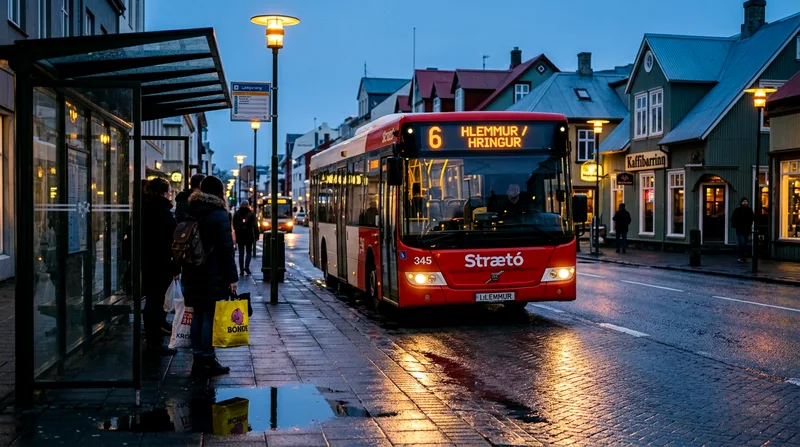
Straeto is the only public bus operator in the Reykjavik capital area, and it's the backbone of Reykjavik public transport for anyone not driving. There's no subway, no tram, no light rail — just buses, run on a hub-and-spoke network that funnels most routes through a handful of central interchanges like Hlemmur and Lækjartorg. If you've used transit in Bergen or Tromso, the scale will feel familiar: a compact city network built for a population of around 230,000 in the greater capital area, not a sprawling metro system.
The buses themselves are modern, clean, and generally punctual — Icelandic winters test any transit system, but Straeto copes better than you'd expect given the ice and wind. That said, I wouldn't call the network intuitive for first-time visitors. Route numbers don't follow an obvious logic, and the stops themselves are sparsely signed compared to, say, a London or Berlin bus shelter. You'll want the app before you arrive, not after.
One honest caveat: Straeto is a commuter system built for Icelanders getting to work and school, not a tourist shuttle. That shapes everything — where routes go, how often they run on weekends, and why buses thin out dramatically after 8pm.
Network Coverage and Service Hours
Straeto covers Reykjavik proper plus the surrounding municipalities — Kópavogur, Hafnarfjörður, Garðabær, Mosfellsbær, and Seltjarnarnes — with around 25 numbered routes crisscrossing the capital region. Most routes run from roughly 6:30am on weekdays (a bit later on weekends) until around midnight, though exact start and end times vary by route and day. Don't assume every line runs the same schedule; check the specific route before planning a late return.
Coverage inside Reykjavik itself is solid — you can get from the BSÍ bus terminal near downtown to Laugardalur, the main swimming pool and park area, in about 15-20 minutes. But coverage thins fast once you're outside the urban core, and this is where Straeto stops being useful for day-trippers heading toward Þingvellir or the South Coast.
Frequency and Reliability
On core routes through downtown, buses typically run every 10-15 minutes during weekday daytime hours. Drop to evenings or Sundays and that stretches to every 20-30 minutes, sometimes longer on peripheral routes. Reliability is generally good — Icelandic drivers are used to the weather — but snow and wind events in winter can cause delays or cancellations with little warning. If you're catching a bus to make a flight or tour connection, build in 20-30 minutes of slack, especially between November and March.
Reykjavik Bus Routes and Coverage Areas
Understanding Reykjavik bus routes starts with knowing the city isn't laid out in a tight grid — it sprawls along the coast and inland, which is why the bus network relies on transfer hubs rather than direct point-to-point lines. You'll often need to change buses once, even for trips that look short on a map. That's a real limitation compared to, say, a dense European city rail system, but once you understand the hub model it stops being frustrating.
Central Reykjavik Routes
Within downtown and the city center, routes 1, 3, 6, 11, 12, 14, and 15 are the ones you'll use most as a visitor — they connect the main shopping street Laugavegur, the harbor area, Hallgrímskirkja, and Laugardalur's thermal pools. The Hlemmur interchange, at the eastern end of Laugavegur (also now home to a popular food hall), is the single most useful transfer point to learn. If you're staying anywhere in the 101 postcode, you can likely walk to most central attractions anyway — Reykjavik's downtown core is compact enough that buses are often optional there, useful mainly for saving your legs on a cold or wet day.
Connections to Outer Neighborhoods and Suburbs
If you're staying outside downtown — Airbnb in Kópavogur, a hotel near Grafarvogur, or visiting friends in Hafnarfjörður — Straeto becomes genuinely necessary rather than optional. Route 1 and Route 4 handle a lot of the Kópavogur and Garðabær traffic; Route 1 also reaches Hafnarfjörður, home to some decent seafood restaurants and a small but pleasant old harbor. Expect a 25-40 minute ride from these suburbs into downtown, depending on traffic and transfers. Mosfellsbær, further north, is reachable but takes closer to 40-50 minutes each way — fine for an occasional trip, tedious as a daily commute.
Reykjavik Bus Pass Options and Payment
Straeto's payment system has modernized, but it's still worth understanding before you board, because drivers in Iceland generally don't make change and some older buses are cash-unfriendly. The Straeto app (also called Klappið) is the main way locals and informed visitors pay now — you load it with credit, buy tickets or passes digitally, and tap or show your phone to the driver.
The right choice depends on how many rides and extra attractions you'll actually use, not just trip length.
Reykjavik public transport passes compared: cost, coverage, and best use
| Option | Typical Cost | Covers | Best For |
|---|---|---|---|
| Single app fare | Low, per ride | One trip + transfers (~75-90 min) | Occasional riders, short stays |
| Cash fare on bus | Higher than app fare | One trip, no app needed | Backup only, avoid if possible |
| Reykjavik City Card (24hr) | Moderate | Unlimited buses + pools/museums | One full sightseeing day |
| Reykjavik City Card (72hr) | Higher, better value per day | Unlimited buses + pools/museums | Multi-day downtown stays |
| Rental car | Highest daily cost | Full flexibility, no routes | Golden Circle, South Coast trips |
Prices change periodically — check current Straeto app and City Card pricing before you travel.
Single Tickets and Day Passes
A single adult fare bought through the Straeto app runs cheaper than paying cash on board — cash fares are priced higher specifically to push people toward the app. Single tickets are valid for one trip with transfers allowed within a set window (roughly 75-90 minutes), so you can hop between two or three buses on one fare if your route requires a transfer. There's no day pass sold as a standalone product the way some European cities offer — instead, frequent riders use the Reykjavik City Card, which bundles unlimited Straeto rides with free entry to pools, museums, and Reykjavik's thermal baths-adjacent attractions. For a single day of sightseeing combined with a swim and a museum or two, the City Card can pay for itself quickly; for a day spent mostly on foot downtown, it probably won't.
Multi-Day Passes and Cost Comparison
The Reykjavik City Card comes in 24, 48, and 72-hour versions, and the value math depends entirely on how much you'll actually use it. If you're planning two pool visits, a trip to the Settlement Exhibition or Whales of Iceland, and several bus rides across those days, the 48 or 72-hour card usually beats paying for each separately. If you're mostly walking downtown and taking one or two bus rides, buy single fares through the app instead — you'll come out ahead. Compare this to Akureyri or Húsavík, where public transit is minimal and most visitors simply walk or drive; Reykjavik is the only Icelandic town where a transit pass calculation is even worth doing.
Tips for Using Reykjavik Public Transport
Most frustration with Straeto comes from not planning ahead, not from the system itself being broken. A little prep removes almost all the friction.
Planning Routes and Real-Time Information
Download the Straeto app before you land — it covers route planning, live bus tracking, and ticket purchase in one place, and it works in English. Google Maps also pulls Straeto's live transit data reasonably well for Reykjavik, which is useful as a backup or cross-check. Bus stops themselves often lack real-time displays, especially outside downtown, so the app is genuinely necessary rather than a nice-to-have. One practical tip: screenshot your route before boarding if you're worried about signal — Iceland's mobile coverage is good but not flawless in every pocket of the suburbs.
Peak Times and Travel Etiquette
Weekday mornings (roughly 7:30-8:30am) and afternoons (3:30-5pm) get genuinely busy with commuters and school kids, and buses can run standing-room-only on popular routes. Icelanders queue in an orderly way at stops and expect you to tap or show your ticket promptly rather than fumbling at the front — it slows everyone down. Priority seating near the front is for elderly or disabled passengers; give it up without being asked. Night buses are limited — don't count on Straeto after midnight on weekends, when most downtown nightlife winds down; a taxi or the 15-20 minute walk back to most central hotels is the realistic fallback.
When to Use Buses vs. Other Transport
Buses are one tool, not the whole toolkit. Knowing when Straeto makes sense — and when it's actively the wrong choice — saves you time and frustration.
Buses for Budget Travelers
If you're staying a week or more in Reykjavik and want to live more like a local — grocery shopping in a residential neighborhood, visiting a lesser-known pool like Árbæjarlaug instead of the central ones, or simply avoiding taxi fares — Straeto earns its keep. Reykjavik taxis aren't cheap; even a short cross-town ride can cost several times a bus fare. For solo travelers and budget-conscious couples staying outside the absolute center, the bus pays for itself within a few rides.
Limitations and Alternatives
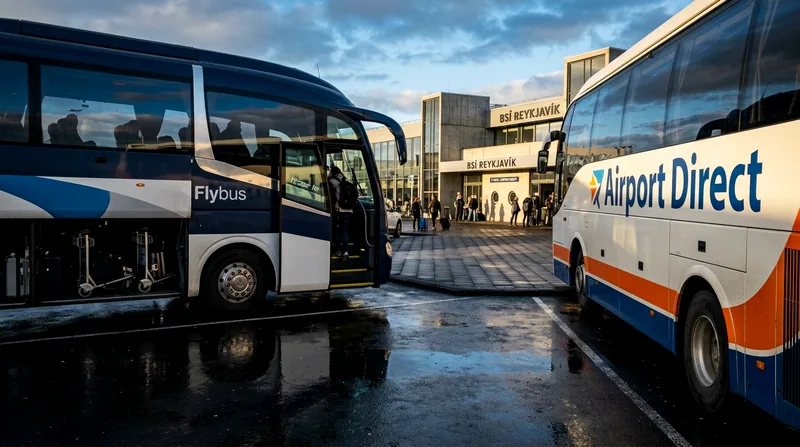
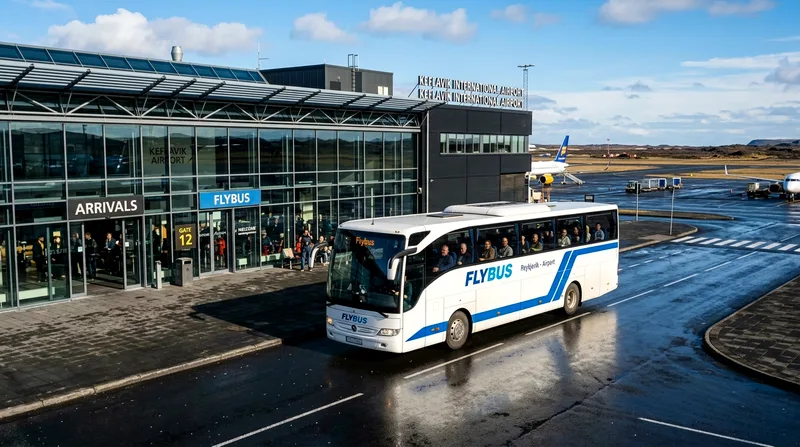
Here's where I'll be blunt: don't try to reach the Golden Circle, the Blue Lagoon, or the South Coast by Straeto. There's no direct public bus service to any of these, and cobbling together a route would eat an entire day for a trip a tour minibus completes in 8-9 hours round trip. The same goes for Keflavik International Airport — Straeto doesn't serve it at all. Use the Flybus or Airport Direct coach instead, both of which meet arriving flights and run roughly every 30-40 minutes to downtown hotels, taking about 45 minutes. For day trips, compare current Golden Circle tours and Blue Lagoon transfer options before you book — a guided tour or private transfer is the realistic choice, not a bus pass. If you want to get further afield independently, renting a car for a day beats wrestling with transit for places like Vík or the glacier lagoon near Höfn — routes Straeto was never designed to reach.
Frequently asked questions
How much does a Straeto bus ticket cost?
A single fare bought through the Straeto app costs less than paying cash to the driver — Straeto deliberately prices cash fares higher to encourage app use. Fares cover one journey plus transfers within roughly 75-90 minutes. Exact prices change periodically, so check the current fare in the app before you travel rather than relying on a fixed figure.
Is a multi-day pass worth buying?
It depends on usage. The Reykjavik City Card (24, 48, or 72 hours) bundles unlimited Straeto rides with free pool and museum entry, and it pays off if you're combining several bus trips with a swim and a museum visit each day. If you're mostly walking downtown with one or two bus rides a day, single app fares are cheaper overall.
Can you reach major attractions by bus?
Within Reykjavik, yes — Hallgrímskirkja, Laugardalur's pools, the harbor, and most museums are reachable by Straeto. But the Golden Circle, Blue Lagoon, and South Coast attractions like Vík or Skógafoss have no direct Straeto service. For those, book a guided tour, a transfer service, or rent a car.
What payment methods does Straeto accept?
The Straeto app (Klappið) accepts credit and debit cards for loading tickets and passes, and is the cheapest and most reliable way to pay. Some buses accept cash and local prepaid cards, but cash fares cost more and drivers don't give change, so the app is strongly recommended for visitors.
Are buses accessible for travelers with disabilities?
Most Straeto buses are low-floor with wheelchair ramps and designated spaces, and priority seating near the front is reserved for elderly or disabled riders. Not every stop has a raised curb or shelter, particularly in outer suburbs, so travelers with mobility needs should check specific stop conditions via the app or Straeto's customer service before relying on a route.