Essential Reykjavik car rental tips: insurance traps, winter tyre rules, realistic prices, and when self-drive beats guided tours in Iceland.
Understanding Reykjavik Car Rental Prices
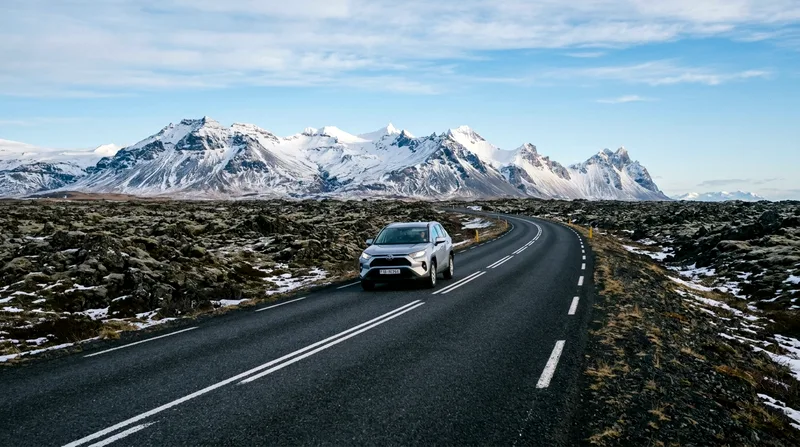
Reykjavik car rental prices swing more than almost any other European city, and the gap between a quiet November booking and a July scramble can be triple the cost. A small manual hatchback might run $35–50 per day in low season (late October through March, excluding holidays), while the same car in July or August often climbs to $70–100 per day. A 4x4 or SUV — which you genuinely want for the South Coast, the Westfjords, or any F-road in the highlands — typically starts around $90–150 per day in summer.
Booking early matters more here than in most destinations, because Iceland's small fleet of rental agencies sells out mid-size and 4x4 vehicles weeks ahead during peak months. If you're planning a June or July trip, book at least six to eight weeks out. Last-minute bookings in high season sometimes leave only premium SUVs or tiny city cars available, with the price gap between them wider than you'd expect.
I'd avoid the very cheapest listed rates you see advertised — they rarely include the insurance you'll actually need, and the pickup counter will present that as an "upgrade" once you've already committed. Compare the all-in price, not the headline number.
Vehicle category and season drive Reykjavik rental prices more than any single add-on or fee.
Reykjavik car rental costs by vehicle type and season
| Vehicle Type | Summer Daily Rate | Winter Daily Rate | Best For |
|---|---|---|---|
| Compact 2WD | $70-100 | $35-50 | City and Golden Circle day trips |
| Mid-size 2WD | $85-120 | $45-65 | South Coast paved routes |
| Small 4x4 | $100-140 | $70-100 | Gravel roads, light winter driving |
| Full 4x4/SUV | $120-170 | $90-130 | F-roads, highlands, Ring Road winter |
Typical published ranges; actual prices vary by agency, booking lead time, and demand, so compare current prices before booking.
Seasonal price variations and peak periods
High season runs roughly June through August, with a secondary bump around Christmas and New Year for northern lights chasers. Shoulder months — April, May, September, early October — offer a reasonable middle ground: decent weather, lower prices, and fewer tourists clogging the Golden Circle parking lots. If flexibility allows, September is arguably the sweet spot: roads are still in good condition, days are long enough for real driving, and rental rates drop noticeably from August peaks. Winter (November–March) brings the cheapest rates but demands real confidence driving on ice and snow, plus shorter daylight hours that limit how far you can realistically go in a day.
Hidden fees and what's included
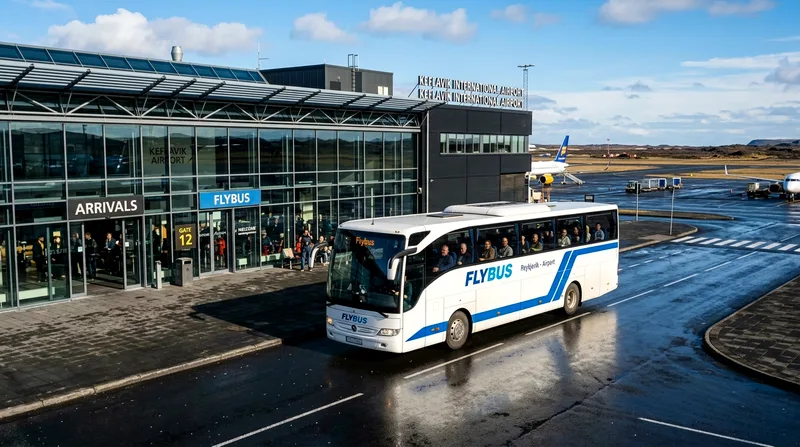
The advertised daily rate rarely covers everything. Watch for: airport surcharges if picking up at Keflavik rather than downtown Reykjavik, young driver fees if you're under 25, additional driver fees (usually $5–10/day per extra name), and one-way fees if you plan to drop the car somewhere other than where you picked it up — these can run $100 or more between distant locations. GPS rental typically adds $10–15 per day, which I'd skip; an offline Google Maps download or a dedicated app covers Iceland's limited road network just fine. Credit card deposit holds are standard practice — expect $1,500–3,000 blocked on your card for the rental duration, released after return assuming no damage. Debit cards are often refused outright for this hold, so bring an actual credit card with sufficient limit.
Insurance Traps and Coverage Gaps
Car rental insurance in Iceland is where most visitors lose money, either by underinsuring and facing a brutal repair bill, or by over-insuring out of fear at the counter. Basic Collision Damage Waiver (CDW) comes bundled with nearly every rental, but it carries a deductible — often $1,500–3,500 — and excludes damage types specific to Icelandic terrain and weather. This is the gap that genuinely matters here, more than in most of mainland Europe.
Gravel Protection (sometimes called GP) and Sand and Ash Protection (SAAP) are the two add-ons worth paying for, typically $10–20 per day combined. Iceland's Ring Road includes long gravel stretches, and a chipped windshield or paint damage from flying stone is common enough that agencies built dedicated policies around it. Sand and ash protection matters most if you're driving near black sand beaches like Reynisfjara or through dusty volcanic areas, where wind-driven grit can damage a vehicle's undercarriage and paint.
Collision damage waiver pitfalls
The pitfall isn't that basic CDW is useless — it's that staff often imply it covers everything, then charge you for "Super CDW" or "Zero Excess" packages that reduce your deductible to near zero for an extra $25–35 per day. For a week-long trip, that's $175–245 extra. Whether it's worth it depends on your risk tolerance and what's already covered by your travel insurance or credit card — some premium credit cards include rental collision coverage, but check whether they explicitly cover Iceland, since some exclude it due to road conditions. Read your card's terms before assuming you're covered.
Gravel road and weather damage exclusions
Standard CDW almost universally excludes damage from wind — and Icelandic wind is not a minor factor. Car doors ripped off hinges by sudden gusts are a recurring, well-documented problem at exposed parking areas, and basic insurance won't cover it if you're found to have opened the door carelessly in high wind. Always check wind speed before opening a door fully, brace it with your body, and park facing into the wind when possible. Theft protection is rarely necessary in Reykjavik itself — car crime is low — but it's bundled into some "premium" packages anyway, inflating the price for a risk that barely exists here.
Winter Tyres and Seasonal Requirements
Winter tyres in Reykjavik aren't optional extras — they're a legal requirement enforced under Icelandic law, and every reputable rental agency fits them automatically between roughly November and mid-April. The Icelandic Road and Coastal Administration monitors conditions closely and publishes road closures and warnings; checking road.is before any winter drive is standard practice, not paranoia.
Legal requirements and safety standards
Icelandic regulations require winter tyres with a minimum tread depth of 3mm during winter conditions, and studded tyres are legal (and common) from roughly November through mid-April, though exact dates shift slightly year to year based on conditions. You don't need to arrange this yourself — any licensed agency operating out of Reykjavik or Keflavik swaps tyres seasonally as a matter of course. If a company offers you a rental in January without confirming winter tyres, that's a red flag; walk away.
Summer vs. winter tyre costs
Winter tyres are typically included in the base rental price during cold months — you won't see a separate line item in most cases, since local law mandates them. Where cost actually shows up is in the car category: 4x4 vehicles with studded winter tyres cost more to rent than a 2WD economy car, often $20–40 more per day, because agencies maintain smaller winter-ready fleets and demand exceeds supply around the holidays. If you're renting in July, this isn't a concern — all vehicles run standard summer tyres and pricing reflects category alone, not season-specific equipment.
Self-Drive vs. Guided Tours: When to Rent
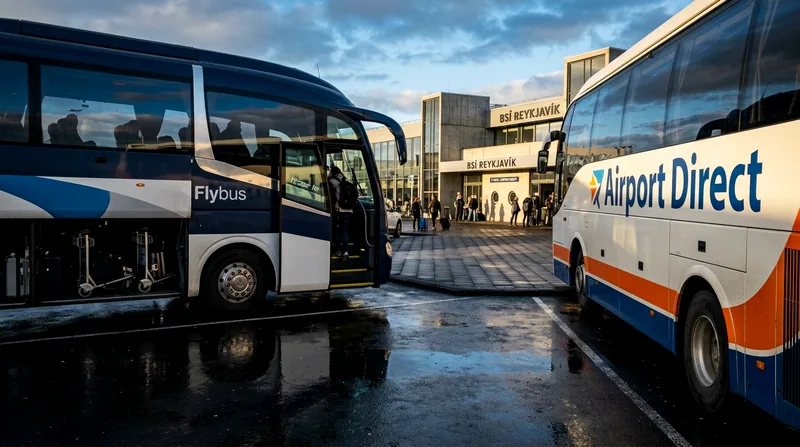
This is the real decision point for most visitors, and the honest answer is: it depends on your itinerary length and comfort behind the wheel in unfamiliar conditions. For a single day covering the Golden Circle — Þingvellir, Geysir, Gullfoss — a guided bus tour and a self-drive car cost roughly the same once you factor in rental, fuel, and parking, but the tour removes all navigation stress. For anything longer, especially a South Coast loop toward Vik or a multi-day Ring Road trip toward Akureyri or Hofn, self-drive wins decisively on flexibility and often on cost per person if you're traveling as a couple or family.
Cost comparison for day trips
A guided Golden Circle day tour from Reykjavik typically costs $80–130 per person. Renting a compact car for the same day, including fuel (figure $30–40 for the loop) and basic insurance, often comes out cheaper for two or more travelers — sometimes half the per-person cost for a group of three or four. For a South Coast day trip to waterfalls and Reynisfjara, the math shifts further in self-drive's favor since those guided tours run longer and cost more, often $120–180 per person. Solo travelers, though, often find tours cheaper than renting a whole car alone, especially outside peak season when tour prices soften.
Flexibility and itinerary control
Self-driving means stopping wherever you want — an unplanned waterfall pull-off, an extra twenty minutes at Skógafoss, a detour to a lesser-visited spot the bus schedule would never allow. Compare that to Tromso or Bergen, where excellent public transit and compact city layouts make self-drive almost unnecessary; Iceland's spread-out attractions make a car far more valuable. The trade-off is responsibility: no driver handling weather calls, no local knowledge about which gravel road just got closed, and the mental load of watching fuel gauges in areas where stations are sparse, particularly in the Westfjords or far from Ring Road towns like Husavik or Isafjordur.
Essential Rules and Local Driving Laws
Iceland's driving rules follow broadly European car rental standards, but a few specifics catch visitors off guard. Headlights must stay on at all times, day or night, by law. Seatbelts are mandatory for every seat. Off-road driving is illegal everywhere in the country — not just frowned upon, but a criminal offense with serious fines, because Iceland's moss-covered terrain takes decades to recover from tire tracks. Minimum rental age is typically 20, rising to 23 or 25 for 4x4 and larger vehicles depending on the agency, and you'll need a license held for at least one year.
Speed limits and road conditions
Speed limits are 50 km/h in urban areas, 80 km/h on gravel roads, and 90 km/h on paved rural roads — lower than much of mainland Europe, and strictly enforced with speed cameras on routes like the Ring Road near Reykjavik. Gravel sections demand slower, more cautious driving than the limit might suggest; braking distances lengthen considerably, and loose stone reduces traction on curves. Single-lane bridges are common outside the city — the approaching car with the shorter distance to the bridge has right of way, and blind summits (signed "blindhæð") require real caution, since Icelandic roads frequently crest without warning.
Parking and fuel station etiquette
Reykjavik parking operates on paid zones downtown, enforced via meter or app (EasyPark is the standard one), typically $2–4 per hour depending on zone. Outside the city, most parking at natural attractions is free, though a few sites like certain geothermal areas charge small entrance or parking fees. Fuel stations are self-service and almost entirely automated — pumps take chip-and-PIN credit cards directly, no attendant required, which surprises travelers used to staffed stations elsewhere in Europe. Fuel prices run higher than most of mainland Europe, so budget accordingly for a Ring Road trip; a full tank on a mid-size car often costs $80–100.
Frequently asked questions
What is the average cost of renting a car in Reykjavik?
Expect $35–50 per day for a compact car in low season (October–March) and $70–100 in peak summer. A 4x4, which you'll want for gravel roads or winter driving, typically runs $90–150 per day in summer and slightly less in winter despite mandatory winter tyres. Add insurance, fuel, and potential one-way fees before comparing total trip cost against guided tours.
Do I need winter tyres to rent a car in Iceland?
Yes, by law, between roughly November and mid-April. Every licensed rental agency in Reykjavik fits winter tyres automatically during this period as part of the base rental — you don't need to request or pay extra for them separately in most cases. If an agency doesn't mention winter tyres for a cold-season booking, ask directly before confirming.
What insurance should I buy when renting a car?
Beyond the standard Collision Damage Waiver that comes bundled, prioritize Gravel Protection and Sand and Ash Protection — together roughly $10–20 per day — since these cover the two most common damage types on Icelandic roads. Super CDW or Zero Excess upgrades are optional and depend on your risk tolerance and existing credit card coverage; check your card's terms for Iceland-specific exclusions first.
Is it cheaper to rent a car or book guided tours?
For solo travelers doing a single day trip, guided tours are often cheaper or comparable. For couples, families, or multi-day South Coast and Ring Road trips, self-drive usually wins on cost per person and definitely wins on flexibility. Run the math on your specific group size and trip length before deciding.
What are the main driving rules in Iceland?
Headlights on at all times, seatbelts mandatory for everyone, off-road driving strictly illegal with heavy fines, and speed limits of 50/80/90 km/h for urban, gravel, and paved rural roads respectively. Single-lane bridges give right of way to the closer approaching vehicle, and blind summits require slowing down well before the crest.