Compare Reykjavik day tours price by type and season, and learn real ways to save — combos, off-season timing, and booking windows that cut costs.
Where Your Day Tour Budget Goes
Reykjavik day tours price out across a fairly wide band — roughly 12,000 to 18,000 ISK for a shared Golden Circle coach trip, climbing to 25,000–40,000 ISK for glacier hikes or snorkeling in the Silfra fissure, and well beyond that for private South Coast or whale watching charters. The gap isn't random markup. It reflects what's actually baked into the price: fuel for a 300km round trip to the Golden Circle, specialized dry suits for snorkeling, certified glacier guides, and insurance that covers activities most travel policies won't touch.
Whale watching tours out of Reykjavik's old harbor sit in the mid-range, usually 12,000–15,000 ISK for a 2.5–3 hour boat trip, because the boats run year-round and the route is short. Compare that to a day trip north toward Husavik for whale watching — a longer drive, longer season gaps, and a price that reflects both. If you're staying in Reykjavik anyway, the harbor tours are the better value; Husavik's reputation for sightings is strong, but you're paying for distance, not necessarily better odds.
Transport and logistics
A chunk of every day tour price covers diesel, vehicle maintenance, and driver wages — not glamorous, but real. The Golden Circle loop alone is about 230–300km depending on stops, and South Coast tours to Seljalandsfoss and Skogafoss push past 300km round trip. Compare this to day tours from Akureyri or Vik, where some sights sit within a 30–60 minute radius — operators there often charge less per tour simply because they're driving shorter distances. Reykjavik's central location is convenient for variety, but it means longer bus rides are baked into almost every itinerary.
Guide expertise and permits
Glacier tours and ice cave visits require guides with specific certifications, and operators pay for access permits on private or protected land — costs that get passed straight to you. A budget glacier walk run by an undertrained guide isn't actually cheaper in any way that matters; it's a liability. This is one area where the lowest price should raise questions rather than excitement.
Legitimate Ways to Save on Tours
There's no secret discount code that cuts Iceland tour prices in half — anyone claiming that is selling something sketchy. What actually works is timing your trip and your booking correctly, which is different from hunting for sales that don't really exist in this market.
Shared Golden Circle tours remain the cheapest Reykjavik day trip option, while private glacier and ice cave excursions cost several times more.
Reykjavik day tours price comparison by type and season
| Tour Type | Typical Price Range (ISK) | Peak vs Off-Season Difference | Best Booked |
|---|---|---|---|
| Golden Circle (shared) | 12,000–18,000 | 20–25% lower in winter | 2–4 weeks ahead |
| South Coast (shared) | 15,000–22,000 | 15–20% lower in winter | 3–5 weeks ahead |
| Whale watching (harbor) | 12,000–15,000 | Minimal seasonal change | 1–2 weeks ahead |
| Snorkeling (Silfra) | 20,000–28,000 | Slightly lower Sept–May | 4–6 weeks ahead |
| Glacier hike/ice cave | 25,000–40,000 | Ice caves only open Nov–Mar | 4–8 weeks ahead |
| Northern Lights tour | 10,000–15,000 | Only runs Sept–April | 1–2 weeks ahead |
| Private full-day tour | 60,000–120,000+ | Higher in summer peak | 6–8 weeks ahead |
Figures are typical ranges for planning purposes; always check current prices and availability when booking.
Off-season and shoulder-season timing
Winter tours — roughly November through March — typically run 20–30% cheaper than peak summer rates for the same Golden Circle or South Coast itinerary, mainly because demand drops and operators need to fill seats. The trade-off is daylight: you might get only 4–5 hours of usable light in December, which rules out some longer excursions entirely. Northern Lights tours only run in this window anyway, so winter isn't purely a compromise — it's when certain experiences exist at all. Shoulder season, April–May and September–October, often gives you the best balance: lower prices than July–August, decent daylight, and fewer crowds at Gullfoss or Thingvellir.
Early booking advantages
Booking 4–8 weeks ahead doesn't just secure availability — it often locks in lower base pricing before operators raise rates as departure dates fill up. Popular snorkeling and glacier slots in July can sell out weeks in advance, and last-minute bookings sometimes cost 15–20% more simply because only pricier private or premium slots remain. If you're flexible, booking a shared small-group tour (8–16 people) instead of waiting for a private slot to open up will almost always save money — private tours routinely run double to triple the shared-group price for the same activity.
Combo Deals and Multi-Tour Packages
Bundling tours — a classic example being "Golden Circle plus Blue Lagoon" or "Glacier hike plus Snorkeling" — generally saves 10–15% over booking each piece separately, mostly because shared transport and scheduling cut overhead for the operator. That savings is real, but only if you'd have booked both activities anyway. Buying a combo for an activity you weren't actually interested in isn't saving money, it's spending more than zero.
Multi-day tour bundles
If you're spending four or more days in Iceland, look at multi-day bundles that combine a Reykjavik-based day tour with an overnight trip toward the South Coast, ending near Vik or Hofn. These often price better per day than two separate single-day bookings, since lodging and transport get consolidated. Compare that against trying to DIY the same route — renting a car for a multi-day South Coast run can be cheaper if you're a confident winter driver, but Iceland's F-roads and sudden weather closures make guided transport genuinely safer between October and April.
Regional pass options
Iceland doesn't have a single unified tourist pass covering tours the way some European cities do with sightseeing cards. What exists instead are city passes (covering museums, pools, and some transport within Reykjavik) that are worth it only if you're doing four or more included attractions in a short visit. Don't buy a Reykjavik city pass expecting it to discount your Golden Circle or glacier tour — those are almost always sold and priced separately by tour operators.
When Not to Skimp on Cost
Some savings strategies are smart. Others are how people end up injured on a glacier or stranded at a trailhead. Knowing the difference matters more in Iceland than in most destinations, because weather and terrain here punish bad decisions fast.
Safety and equipment quality
Glacier walking, ice climbing, and Silfra snorkeling all require proper gear — crampons, harnesses, dry suits rated for near-freezing water. A noticeably cheap operator may be cutting corners on equipment maintenance or guide-to-client ratios, and that's not a risk worth taking for a 10–15% saving. Ask directly what gear is provided and whether guides carry certification from Icelandic mountain guide associations; legitimate operators answer this without hesitation.
Small-group experiences
A 40-person coach tour to the Golden Circle is fine for sightseeing — you're mostly getting off the bus, taking photos, getting back on. But for glacier hikes or ice caves, a smaller group (6–10 people) means more individual attention from the guide and less time standing around waiting your turn with the one set of crampons. Paying a bit more for a capped group size on technical activities is one of the few upcharges that's genuinely worth it.
Pre-Booking Checklist for Best Prices
Before you commit, run through what's actually included versus what shows up as a surprise fee at pickup. National park entry fees, Blue Lagoon admission, and certain gear rentals are sometimes bundled, sometimes not — and the listing doesn't always make that obvious.
Verification and comparison steps
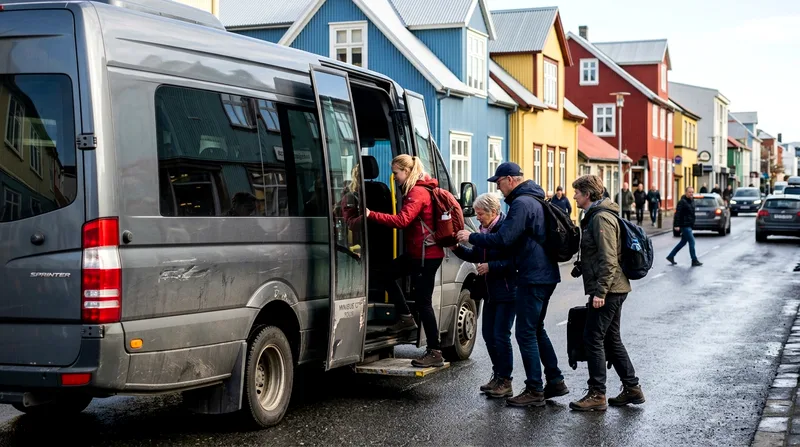
Check the pickup location first — some tours only pick up from central Reykjavik hotels, meaning you'd need to arrange transport if you're staying near Keflavik or outside downtown. Confirm cancellation policy, since Iceland's weather causes legitimate last-minute itinerary changes (Golden Circle roads can close after heavy snow). Compare at least three listings for the same activity side by side, noting group size, duration, and what gear is included, not just the headline price. And read whether the tour is "private," "small-group," or "shared coach" — these three words account for most of the price variation you'll see for what looks like an identical itinerary. Finally, compare current prices and availability directly when you're ready to book, since rates shift with season and demand.
Frequently asked questions
What is the typical price range for Reykjavik day tours?
Shared coach tours like the Golden Circle run roughly 12,000–18,000 ISK per person. Activity-based tours — glacier hikes, snorkeling, ice caves — typically cost 20,000–40,000 ISK because of specialized gear and certified guides. Private full-day tours start around 60,000 ISK and climb from there depending on group size and itinerary customization.
Do off-season tours cost significantly less?
Yes, generally 20–30% less for the same Golden Circle or South Coast itinerary between November and March compared to peak summer. The trade-off is shorter daylight hours and the chance of weather-related rescheduling, though this is also the only season Northern Lights tours and ice caves are available.
Are combo packages worth the price?
Only if you genuinely want both activities included. A Golden Circle plus Blue Lagoon combo typically saves 10–15% versus booking separately, since transport and scheduling overlap. Buying a combo just because it looks like a deal, when you weren't planning one of the activities, isn't actually saving money.
What tour costs should never be reduced?
Safety gear and guide certification for glacier walking, ice climbing, and Silfra snorkeling. These activities involve real hazards — crevasses, near-freezing water — and a cheaper operator cutting corners on equipment or guide ratios isn't a bargain, it's a risk.
How far in advance should I book for best prices?
Four to eight weeks ahead generally secures both availability and better base pricing, especially for popular summer activities like glacier hikes and Silfra snorkeling, which can sell out. Whale watching and Northern Lights tours are more flexible and can often be booked one to two weeks out without a price penalty.