Planning a Reykjavik day trip with kids? Compare family tours, car seat policies, walk difficulty, and child pricing before you book in Iceland.
Which tour type suits your family
Not every Reykjavik day trip with kids works for every age group, and the operators rarely spell this out clearly on their booking pages. A Golden Circle tour built around three stops and a lot of bus time suits a six-year-old far better than an eighteen-month-old who needs to nap on a fixed schedule. Before you look at a single itinerary, match the tour's pace — not its marketing — to your child's actual tolerance for sitting still, walking on uneven ground, and skipping a midday nap.
The biggest mistake families make is booking based on the destination's fame rather than its logistics. Jökulsárlón glacier lagoon is spectacular, but it's a 4.5 to 5 hour drive each way from Reykjavik, meaning a 12-13 hour round trip day. That's a rough day for a seven-year-old and close to impossible for a toddler. Compare that to Seljalandsfoss or Skógafoss, both under two hours from Reykjavik on the South Coast route, with parking close to the viewing area.
Toddlers and young children
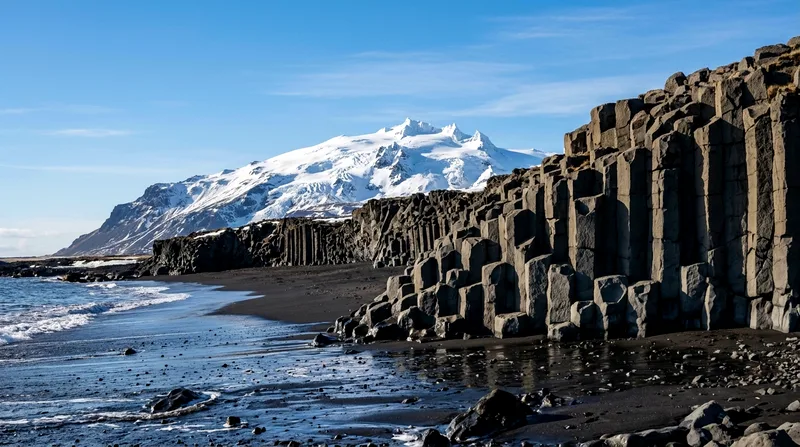
For kids under 5, prioritize short drive times and short walks over bucket-list scenery. A half-day Golden Circle tour hitting Geysir and a shorter stop at Gullfoss works well because the walking at Geysir is flat, paved, and close to parking — you can watch Strokkur erupt (roughly every 5-10 minutes) without a long hike. Avoid full-day South Coast combination tours that try to fit in Seljalandsfoss, Skógafoss, and a black sand beach in one day; that's three separate walks plus hours of driving, and toddlers tend to fall apart by stop two. A private tour with flexible timing is worth the extra cost at this age, since you can skip a stop entirely if a nap is more urgent than a waterfall.
School-age kids and teens
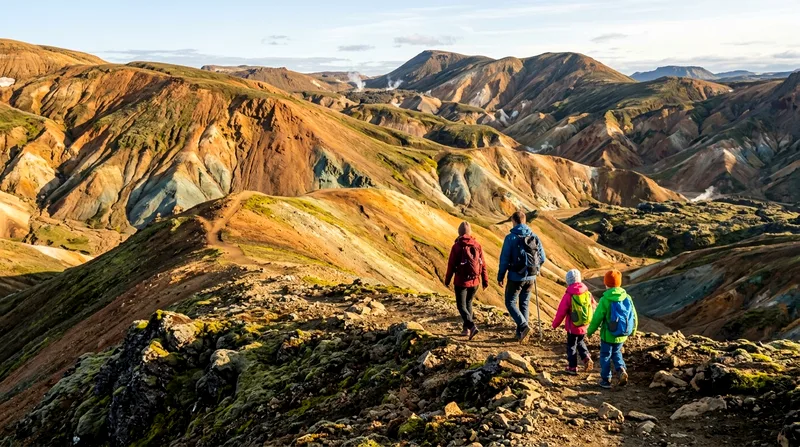
Kids aged 6 to 12 generally handle full-day tours fine, and this is where Iceland's bigger-ticket experiences start making sense. Snorkeling in Silfra fissure requires a minimum age around 12 with most operators and a reasonable swimming comfort level, so check the stated age and weight limits before booking for a tween. Glacier hiking tours typically set a minimum age of 8-10 depending on the specific glacier and gear sizing. Teens tend to enjoy whale watching from Reykjavik's old harbor or a Snaefellsnes peninsula day trip more than younger siblings would, since both involve longer stretches of open water or driving that a bored 5-year-old finds tedious.
Main tour categories compared
Reykjavik's tour market splits into a handful of recognizable categories, each with different demands on young bodies and short attention spans. Knowing the category before you shop narrows things fast.
Waterfall tours suit toddlers best, while glacier and ice cave trips need school-age kids and a long day in the vehicle.
Reykjavik day trip with kids: tour categories compared by age, walk difficulty and duration
| Tour type | Age suitability | Walk difficulty | Duration | Key family consideration |
|---|---|---|---|---|
| Waterfall tours (Golden Circle, South Coast) | All ages | Easy, paved paths | 8-9 hours | Crowded midday, bring rain layers |
| Blue Lagoon / geothermal lagoons | 2+ typically | Easy, poolside | 3-5 hours | Check minimum age, supervise swimmers |
| Glacier hike / ice cave | 8-10+ typically | Moderate, ice/crampons | 10-12 hours | Seasonal access, long drive |
| Whale watching (Reykjavik harbor) | All ages | None, boat-based | 2.5-3.5 hours | Motion sickness risk, cold wind |
| Snorkeling (Silfra) | 12+ typically | Minimal, wetsuit required | 3-4 hours | Cold water, swimming ability needed |
| Private custom day tour | Flexible | Flexible | Flexible | Higher cost, best for toddlers or special needs |
Age minimums and durations vary by operator and season; confirm specifics when you check current prices and availability.
Waterfall and nature tours
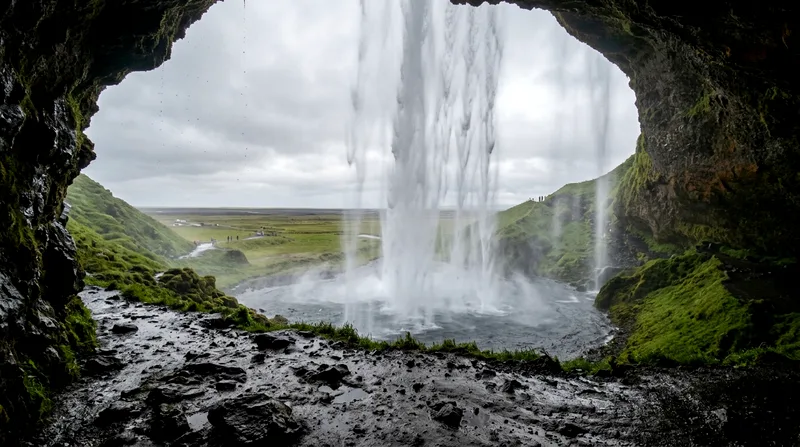
These are the easiest entry point for a Reykjavik day trip with kids. Seljalandsfoss has a paved path right up to the base, and older kids can walk behind the falls (bring a rain jacket — you will get wet). Skógafoss involves a short flat walk to the base, with a steep staircase to the top that's optional. Golden Circle tours covering Gullfoss and Geysir fall into this category too and are usually 8-9 hours round trip, mostly on paved paths. The downside: these tours are popular, so parking areas and viewing platforms get crowded with tour buses between 11am and 3pm.
Geothermal and hot spring tours
The Blue Lagoon is the obvious choice near Keflavik, and it does allow children (check the operator's minimum age, often around 2 years, and note infants under 2 are typically not permitted in the water). The water is shallow in most of the lagoon, but it's still a supervised-swim situation, not a splash pool — budget for a chaperone per child rather than assuming lifeguards will watch them. Smaller geothermal river spots like Reykjadalur involve a 3km uphill hike to reach the warm river, which rules out strollers and tires out younger kids fast. For families, the Blue Lagoon or similar lagoon-style spas (there are a few around Iceland now) beat a geothermal hike for anyone under 8.
Glacier and ice cave tours
Ice cave tours near Vik or Jökulsárlón are seasonal — natural ice caves are generally only accessible in winter, roughly November through March, because summer melt makes them unstable. These tours involve crampons, helmets, and a guided walk on ice, and most operators set a minimum age around 8-10. They also mean a long day: Vik is about 2.5 hours from Reykjavik one-way, and Jökulsárlón adds another two hours beyond that. If your children are younger or you don't want an 11-hour day, consider basing part of your trip in Vik or near Hofn instead of doing it all as a single exhausting Reykjavik day trip.
Wildlife and boat tours
Whale watching leaves directly from Reykjavik's old harbor, with trips typically running 2.5 to 3.5 hours. Boats usually have an indoor cabin, which matters for a Reykjavik day trip with kids in April or October when the water is cold. Husavik, in north Iceland near Akureyri, has a stronger reputation for whale sighting frequency than Reykjavik, but it's not a realistic day trip from the capital — that's a separate base entirely. Motion sickness is the real risk here; give kids sea-sickness tablets suited for their age an hour before boarding, not after they feel queasy.
Group versus private tours
Standard group tours run on a set bus schedule with 20-50 other passengers and fixed stop durations — usually efficient and noticeably cheaper per person. Private tours cost more, often double or more per person depending on group size, but you control timing, skip stops that don't interest your kids, and can request a vehicle with proper child seats fitted correctly. For toddlers or a child with sensory sensitivities, the flexibility of a private tour often justifies the price difference. For confident school-age kids on a standard South Coast or Golden Circle run, a group tour is the better value and perfectly fine.
What to check before booking
The listing photos and headline copy rarely tell you what you actually need to know. Dig into the fine print section of each tour page — it's usually where car seat policy, walking distance, and age limits actually live.
Car seats and vehicle safety
Iceland law requires children under 135cm in height to use an appropriate car seat or booster, and this applies to tour vehicles too, not just rental cars. Many standard group tour buses do not carry car seats at all — they're built for adult passengers on fixed routes. If you're traveling with a child under about 150cm, contact the operator directly before booking to confirm whether seats are available and whether there's a rental fee (often a flat daily charge). Don't assume; several families get caught out at pickup when the guide says car seats weren't requested in advance.
Walking distance and terrain
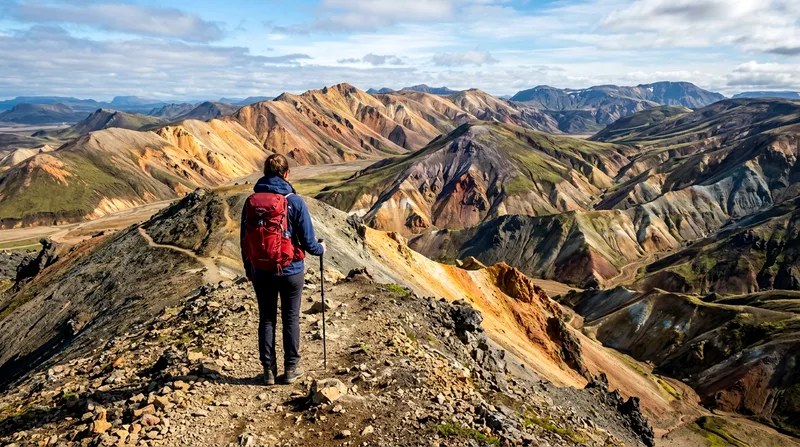
Tour descriptions often say "easy walk" without specifying distance or surface. Ask directly, or look for a stated distance in meters — Seljalandsfoss's path is maybe 300 meters from parking to the base, flat and often wet. Reykjadalur's geothermal river, by contrast, needs a 3km uphill walk each way on a dirt and gravel trail. Strollers don't work on gravel or lava-rock terrain, so if you have a child who can't yet walk 2-3km, rule out anything described as a "hike" and stick to paved viewpoint stops.
Child pricing and group discounts
Most Reykjavik tour operators price children (commonly ages 2-11 or 2-15, the cutoff varies) at roughly 50% of the adult rate, and infants under 2 usually ride free if they sit on a parent's lap rather than in a seat. Some tours offer a family package rate for two adults plus two or more children, which can beat booking individually — but this isn't universal, so check each operator's pricing table rather than assuming a discount exists. Always verify the age cutoffs; a "child" rate for a 13-year-old might not apply if the operator's limit is 11.
Best time to book family tours
Timing affects both price and what's actually available for a Reykjavik day trip with kids, and the two seasons behave very differently.
Seasonal considerations
Summer (June-August) gives you roughly 20 hours of daylight, making long days with kids far less stressful since there's no rush against darkness. It's also when every waterfall and the Golden Circle route is busiest, so expect crowded parking lots and fuller buses. Winter (November-March) is when ice cave tours actually run, but daylight is short — around 4-5 hours in December — and some Highland or unpaved routes close entirely. For a Blue Lagoon visit or geothermal activity, season matters less; book pool time either way, but a winter visit under steam in cold air is genuinely a different experience than summer.
Booking windows and availability
Book popular family tours — Golden Circle, South Coast waterfalls, Blue Lagoon time slots — at least 2-3 weeks ahead in peak summer months, since group sizes are capped and child-seat-equipped vehicles are limited in number. Whale watching and snorkeling trips can sell out faster in July and August due to smaller boat/group capacity. In shoulder seasons (April-May, September-October) you can often book just a few days out. Always compare current prices and reviews before you book, since availability shifts week to week and operators adjust schedules around weather.
Practical tips for touring with kids
Pack layers regardless of season — Icelandic weather changes within a single tour stop, and a child in a soaked jacket at Seljalandsfoss ruins the next three hours. Bring snacks; rural stops on the Golden Circle or South Coast have limited food options and long waits at the few cafes that exist. A compact rain cover for a stroller is more useful than the stroller itself on gravel paths, so consider a soft carrier for children under 3 instead. For motion-prone kids, book a window seat and avoid tours with heavy switchback driving, like some Snaefellsnes or Westfjords routes near Isafjordur — routes better suited to teens and adults anyway. If your base is Reykjavik but you're tempted by Akureyri's whale watching reputation or Vik's black sand beaches, remember these require overnight stays, not day trips — don't try to force a 16-hour round trip onto family travel.
Frequently asked questions
What age is best for Reykjavik day trips?
Children aged 5 and up generally handle full-day tours (8-9 hours) without major issues. Under age 4, stick to shorter half-day tours with paved, short walks like Geysir and Gullfoss, and consider a private tour for nap flexibility.
Do tour operators provide car seats?
Some do, but not all — standard group buses often lack them entirely. Iceland requires car seats or boosters for children under 135cm, so contact the operator directly before booking to confirm availability and any rental fee.
Which tours have the shortest walks?
Seljalandsfoss and the Geysir geothermal area both have short, flat, paved paths from parking to the main sight — generally under 400 meters. Avoid anything labeled "hike," like Reykjadalur, which involves a 3km uphill trail.
How far in advance should I book family tours?
Book 2-3 weeks ahead for peak summer (June-August), especially for whale watching, snorkeling, and Blue Lagoon slots, which have capacity limits. In shoulder seasons, a few days' notice is often enough.
Are there discounts for children on tours?
Most operators price children (commonly ages 2-11 or 2-15) at around half the adult rate, with infants under 2 often free on a parent's lap. Family package rates exist with some operators but aren't universal — check each tour's pricing table.