Plan your Reykjavik summer itinerary with midnight sun whale watching, highland super-jeep tours, and mountain hiking. Practical 4-day plan.
Who This Itinerary Is For
This Reykjavik summer itinerary is built around one fact: from roughly late May through late July, the city gets 20 or more hours of usable daylight, and in the week around the summer solstice the sun barely sets at all. That changes how a trip works. You're not racing the clock to finish a hike before dark — you can start a mountain trail at 7pm and still have hours of light to spare.
It suits hikers and mountaineers who want long trail days without headlamps, families with children old enough for full-day excursions (think 8 and up — the hiking and jeep days involve real walking and bumpy roads), and couples or solo travelers who want to combine wildlife watching with highland scenery in a short trip. Senior travelers can follow it too, but should swap Day 3's roughest highland tracks for a gentler Golden Circle version — more on that below.
It's less ideal if you're hoping for a cheap trip. Summer is Iceland's peak season: flights and hotels in Reykjavik run noticeably higher than shoulder season, and popular whale watching and jeep tours should be booked at least a few days ahead, sometimes a week in July. It's also not the season for northern lights — you need genuine darkness for that, which Reykjavik simply doesn't have in June and July. If aurora is your priority, go in September or March instead.
Day 1: Arrival and Coastal Exploration
Most international flights land at Keflavik Airport, about 45 minutes from Reykjavik by road. Budget for that transfer time and a bit of jet lag before building any tight plans into day one.
Morning and afternoon
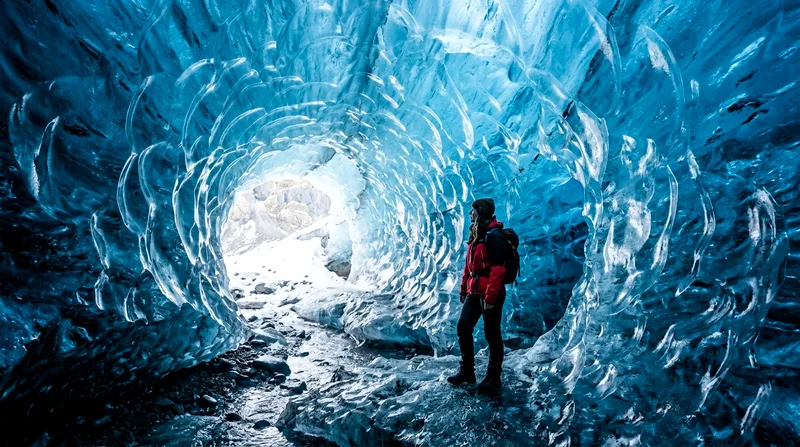
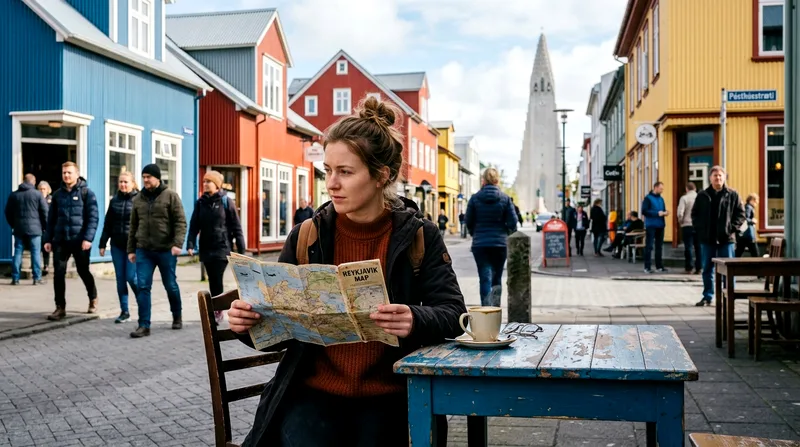
Take the Flybus or a private transfer into Reykjavik (roughly 45–50 minutes, tickets typically in the €20–25 range one-way) and check into your accommodation by late morning. Spend the afternoon on foot in the city center: walk up to Hallgrímskirkja church, whose tower (small admission fee, usually under 1,200 ISK) gives a useful first orientation over the rooftops toward Faxaflói Bay. From there it's a 15-minute walk down to Harpa Concert Hall on the waterfront, worth seeing for its glass facade even if you don't catch a performance. Continue along the harbor path toward Perlan, the domed building on Öskjuhlíð hill, which has an indoor ice cave exhibit and a viewing deck — a reasonable option if jet lag or rain makes you want something indoor and low-effort.
Evening
This is where the midnight sun starts to matter. Have a late dinner around 9 or 10pm — restaurants in the old town stay busy well past normal European dinner hours in summer — then walk back to the harbor. At midnight in June, the light is still soft and golden rather than dark, excellent for photographing the colorful harbor buildings and any boats still out. If you're too tired for a long walk, even ten minutes on a harborside bench watching the light is worth doing; it's the detail that makes a summer trip here different from a winter one.
Day 2: Whale Watching and Midnight Sun
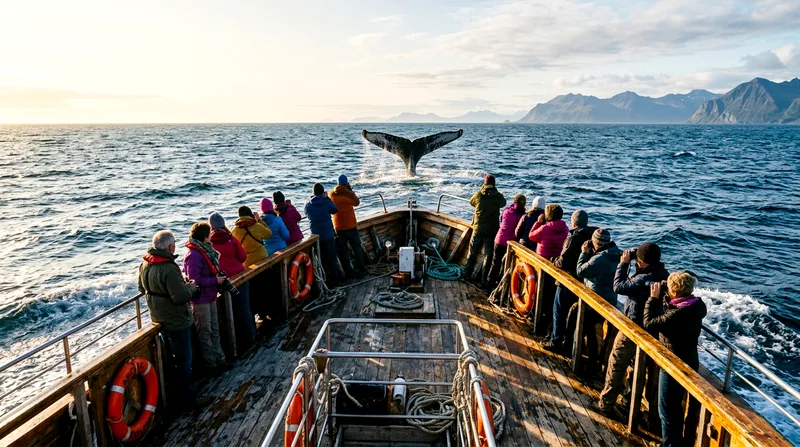
Summer, roughly April through September, is peak whale watching season in Faxaflói Bay, with June and July generally offering the best combination of calm seas and consistent sightings. This is the one booking you should make before you arrive, or at least a day or two ahead — July departures can sell out, especially late-morning and evening slots.
Day 3: Highland Super-Jeep Adventure
This is the day to book a guided highland super-jeep tour rather than improvise. Iceland's interior highland tracks, the F-roads, require a 4x4 by law, and many are only open from June to early September depending on snowmelt — conditions vary year to year, so a tour operator with current local knowledge is worth the cost here, generally more than a standard Golden Circle day tour given the vehicle and route demands.
Morning and afternoon
Most highland super-jeep tours depart Reykjavik around 8–9am and head toward Langjökull, Iceland's second-largest ice cap, or into the highland interior near Kerlingarfjöll or Landmannalaugar, depending on the operator and which routes are open that season. Expect a full day, often 8–10 hours including driving time, with stops for short walks, river crossings in the vehicle, and glacier or geothermal viewpoints. If you'd rather drive yourself, a rental 4x4 can handle some easier F-roads, but river crossings and the roughest highland tracks are genuinely risky without local experience — this is one case where paying for a guide isn't just convenience, it's safety. Compare current highland tour prices and routes before booking, since availability shifts with road openings.
Evening
You'll likely return to Reykjavik by early evening, tired from a long day on rough roads. This is a good night for something low-key: a geothermal pool like Sundhöllin or Laugardalslaug, both open late in summer, soothes legs better than a bar crawl. If the day's tour was rained out or canceled due to road closures — which happens, especially early in the season — the fallback is a Golden Circle day instead, covering Þingvellir National Park, Geysir, and Gullfoss, all reachable by a standard 2WD car or an easy group tour and far less weather-dependent.
Day 4: Mountain Hiking and Departure
Save the most physical day for last, when you know roughly how your body is handling the pace and the daylight.
Morning and afternoon
Mount Esja, about 20–30 minutes' drive or a short bus ride from central Reykjavik, is the default summer hiking trail for visitors — the main route to Steinn viewpoint takes most hikers 2.5–4 hours round trip with roughly 500 meters of elevation gain, no technical skill required but proper footwear matters since sections get loose and rocky. For something longer and quieter, Reykjadalur valley, about 45 minutes away near Hveragerði, combines a moderate 3-hour round-trip hike with a geothermal river you can bathe in at the end — genuinely one of the better free activities in the region. Families with younger kids or anyone with knee issues should treat Esja's lower slopes as the ceiling, not the full summit route, which gets steep and loose near the top.
Evening
If your flight is the next morning, spend the evening packing and allow at least three hours before departure for the Keflavik transfer and check-in — more if you're returning a rental car. If you have extra time before departure and haven't been further afield, note that sights like Jökulsárlón glacier lagoon or the south coast near Vik are a full day trip each way and don't fit into four days — they're better saved for a longer Iceland itinerary rather than squeezed in exhausted on a departure day.
Where to Base Yourself
Stay in central Reykjavik — roughly the area between the Old Harbour and Hallgrímskirkja — for this itinerary. Everything on Day 1 and Day 2's evening activities are walkable from there, and tour pickups for whale watching and super-jeep trips are almost always arranged from central hotels or the harbor itself, saving you the hassle of a rental car for the first three days.
Prices for a mid-range double room in summer typically run higher than shoulder season rates, reflecting peak demand; book two to three months ahead if you want central options in June or July, since rooms do sell out. Budget travelers sometimes base themselves in Keflavik near the airport to save money, but I wouldn't recommend it here — you'd add 45 minutes each way to every single day's plan, which eats badly into the long but still finite daylight hours you're trying to use. Apartment rentals in neighborhoods like Hlíðar or Vesturbær offer a cheaper middle ground, still a 15–20 minute walk to the center, with the bonus of a kitchen if you want to cut food costs on at least a few nights.
Getting Around Reykjavik
Central Reykjavik is compact enough to walk — most of the sights in Day 1 are within a 20-minute walk of each other. For Day 3 and Day 4, you're leaving the city, and how you do that depends on budget and comfort with driving unfamiliar terrain.
A rental car gives flexibility for the Golden Circle or Reykjadalur but isn't necessary for highland F-roads, where I'd actively discourage self-driving unless you have real 4x4 and river-crossing experience — conditions change fast and rescue call-outs in the highlands are not quick. Guided tours with pickup from central hotels solve this cleanly for Day 3. Public buses (Strætó) reach Mount Esja's trailhead and some nearby towns but run on limited schedules, so check timetables the night before rather than assuming frequent service like you'd find in Bergen or other European cities. Taxis exist but are expensive for anything beyond short hops within the city.
Bookable Summer Experiences
Three experiences in this itinerary are worth reserving ahead rather than winging it: the Faxaflói Bay whale watching tour, the highland super-jeep tour, and — if you add a fifth day — a glacier walk on Langjökull or a boat tour near Jökulsárlón, both popular enough in summer to sell out same-day slots. None of these require you to commit to a specific company months out; booking 2–7 days ahead during peak summer is usually enough, though early July is tighter than June or late August.
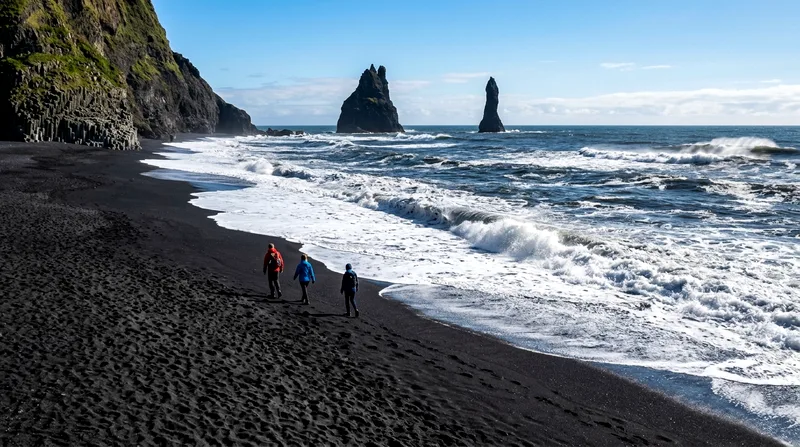
If you're weighing this trip against other Icelandic bases, know what you're trading off. Akureyri, in the north, puts you closer to Húsavík's whale watching, often considered the best in the country, and nearer to Lake Mývatn's geothermal areas, but it's a 45-minute flight or 5-hour drive from Reykjavik, meaning you'd sacrifice the capital's walkable sights entirely. Vik, on the south coast, gets you closer to Jökulsárlón and black sand beaches but has far less in the way of city infrastructure, restaurants, or indoor backup plans for bad weather days. Reykjavik's real advantage for a short trip is density — you can genuinely do whale watching, highland terrain, and mountain hiking without changing accommodation, which isn't true if you're based in Hofn or Isafjordur, both excellent but remote enough to demand a longer, slower trip.
Whale watching needs the least lead time to book, while highland super-jeep tours need the most flexibility around weather and road openings.
Reykjavik summer itinerary: comparing the four bookable day trips
| Experience | Typical duration | Book ahead by | Best for | Weather risk |
|---|---|---|---|---|
| Faxaflói whale watching | 2.5–3.5 hours | 1–2 days | Families, first-timers | Low-moderate |
| Highland super-jeep tour | 8–10 hours | 3–7 days | Hikers, adventure travelers | High |
| Golden Circle day tour | 8–9 hours | 1–3 days | Bad-weather backup, seniors | Low |
| Mount Esja / Reykjadalur hike | 2.5–4 hours | None (self-guided) | Hikers, budget travelers | Moderate |
Typical figures based on standard summer operating patterns; exact durations and availability vary by operator, so check current schedules before booking.
Frequently asked questions
What is the midnight sun and when does it occur in Reykjavik?
The midnight sun refers to summer days when the sun stays above or near the horizon late into the night. Reykjavik sits just south of the Arctic Circle, so it doesn't get full 24-hour daylight like Iceland's northernmost points, but around the summer solstice in late June it gets close — sunset might be near 11:30pm with only a few hours of twilight before sunrise around 3am. By late May and through most of July, you'll still have 18–20 hours of usable light.
Which whale species can you see on Reykjavik whale watching tours?
Minke whales are the most frequently sighted species in Faxaflói Bay throughout summer, along with harbor porpoises and white-beaked dolphins on most outings. Humpback whales appear regularly enough in June and July to be a realistic possibility, though sightings aren't guaranteed on any single trip. Orcas and blue whales are rare this close to Reykjavik — if those are your priority, Húsavík in the north has a stronger track record for humpbacks specifically.
Do I need a 4x4 vehicle for highland tours in summer?
Yes, by law — Iceland's F-roads into the highlands require a 4x4, and insurance on standard rental cars typically excludes damage from driving on them. River crossings on routes near Landmannalaugar or Kerlingarfjöll also demand local knowledge of water depth and current, which changes through the season as glaciers melt. Unless you have real off-road and river-crossing experience, a guided super-jeep tour is the safer and, honestly, less stressful option.
What hiking difficulty levels are available near Reykjavik?
Mount Esja offers a range within one trail — the lower sections to around the halfway point are a moderate walk suitable for most fitness levels, while the full route to the Steinn viewpoint and beyond gets steeper and rockier, taking 2.5–4 hours round trip. Reykjadalur, near Hveragerði, is a gentler 3-hour round trip with a geothermal river reward at the end, making it a good choice for families or anyone wanting less elevation gain.
Is it worth visiting Reykjavik in summer instead of other seasons?
For hiking, highland access, and whale watching, yes — summer is genuinely the best window, since F-roads are only open roughly June to September and long daylight lets you fit in more per day. The trade-off is cost and crowds: flights and hotels run higher than shoulder season, and you give up any chance of northern lights, which need real darkness. If aurora matters more to you than hiking or highland tours, visit in September or March instead.