A practical 4-day Reykjavik winter itinerary covering the Blue Lagoon, ice caves, Golden Circle, aurora hunts and geothermal spas — with timing and booking tips.
Who This Itinerary Is For
This 4-day Reykjavik winter itinerary suits travelers who want a tight, well-paced introduction to Iceland without committing to a full ring-road road trip. It works for couples on a long weekend, solo travelers happy to join small-group tours, and families with kids old enough to handle late nights and cold, dark mornings. Senior travelers do fine with this pace too, as most days mix one active excursion with downtime in a geothermal pool.
It's not built for anyone chasing a guaranteed Northern Lights photo. Aurora sightings depend on solar activity and clear skies, and even a well-run tour can come back empty-handed. If that would ruin your trip, build in a second aurora attempt — most operators offer a free rebooking if the first night is clouded out, so ask about that policy when you book.
Midwinter in Reykjavik means roughly 4 to 5 hours of daylight around the December solstice, stretching to 7–8 hours by early March. That reshapes how you plan: morning starts are late (sunrise often after 10:30am in December), and you'll be doing plenty in the dark. If short days sound depressing rather than atmospheric, consider shoulder-season months like late October or March instead, when daylight stretches closer to 10 hours and roads are generally calmer.
Each day of this Reykjavik winter itinerary balances one demanding excursion with lower-key recovery time, except Day 2, which is active start to finish.
Reykjavik winter itinerary: daily highlights, duration and activity type
| Day | Main Activity | Approx. Duration | Activity Type |
|---|---|---|---|
| Day 1 | Blue Lagoon + arrival | 3-4 hours | Relaxation |
| Day 2 | Ice cave tour (Vatnajökull area) | 9-10 hours | Active |
| Day 3 | Golden Circle + aurora hunt | 8-9 hours + 3-4 hours evening | Mixed |
| Day 4 | Reykjavik culture + spa | 6-7 hours | Mixed/Relaxation |
Durations are typical for tours departing from Reykjavik; actual times vary by operator, season and weather.
placeholder
placeholder
Day 1: Arrival and Blue Lagoon
Most international flights land at Keflavik Airport in the morning, and the Blue Lagoon sits almost directly between the airport and Reykjavik — about 20 minutes from Keflavik, 45 minutes from the city. This geography makes Day 1 easy to sequence even with jet lag.
Morning and afternoon
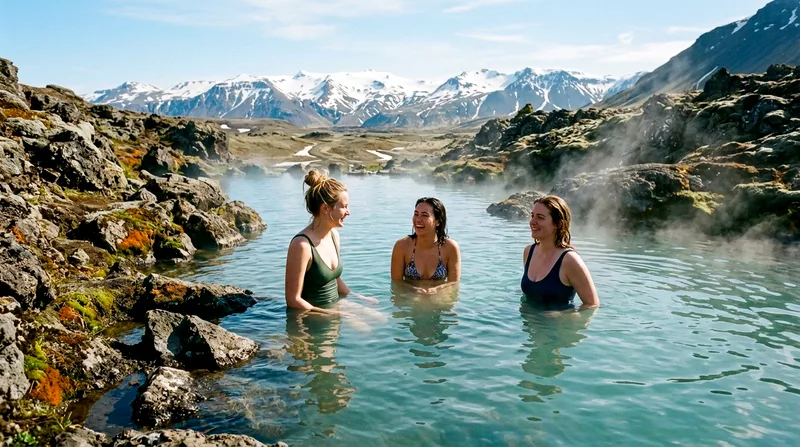
Head straight from Keflavik to the Blue Lagoon rather than checking into your hotel first — luggage storage is available on-site, and it saves a backtrack later. Book your entry slot in advance; walk-ins are often turned away during peak months (December and February school holidays especially). The water sits around 37–39°C (98–102°F) year-round, which feels dramatic against snow and sub-zero air. Budget 2.5 to 3 hours including changing and the in-water bar. Etiquette note: a pre-swim shower, naked, in the communal facilities is mandatory — not optional — and attendants do check.
If the Blue Lagoon's price (roughly €65-€90 for standard entry depending on package) or crowds put you off, Sky Lagoon near Reykjavik is a reasonable alternative with a similar oceanfront setting and shorter transfer time, though it lacks the Blue Lagoon's mineral-rich milky water.
Evening
Transfer into Reykjavik by early evening and check into your hotel. Keep dinner simple and close to your accommodation — you'll want an early night after travel. This is also the point to confirm tomorrow's ice cave pickup time and location, since many tours collect guests from central meeting points rather than hotels directly.
Day 2: Ice Cave Exploration
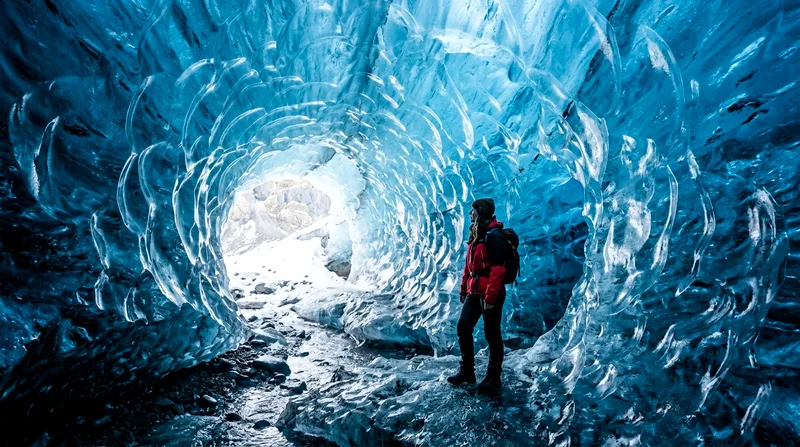
Natural blue ice caves form inside glaciers like Vatnajökull, and they're only safely accessible roughly from November through March, when the ice is stable and cold enough to hold its shape. This makes Day 2 time-sensitive in a way nothing else on this itinerary is — if you're traveling in October or April, ice caves may be off the table entirely, and you should swap this day for an extra Golden Circle stop or a glacier hike instead.
Morning and afternoon
Ice caves near Vatnajökull National Park sit roughly 4.5 to 5 hours from Reykjavik by road, which is why nearly every operator runs this as a long day tour with a very early pickup (often 6:00–6:30am) or packages it as an overnight trip based near Vik or Jökulsárlón. A full-day round trip from Reykjavik means 9-10 hours on the move for perhaps 1-1.5 hours inside the cave itself — know that trade-off going in. Guides provide crampons and helmets; closed, waterproof boots and warm layers underneath are your responsibility. Tours are generally not recommended for children under 8 or anyone with limited mobility, given uneven, icy terrain.
If the long transfer sounds grim, consider basing this day trip from Vik instead, which cuts driving time to some ice caves significantly — though that means restructuring the itinerary to spend a night outside Reykjavik, which not everyone wants on a short trip.
Evening
You'll likely arrive back in Reykjavik late — 8 or 9pm isn't unusual. Keep dinner low-key and nearby. If you still have energy and skies are clear, a short self-guided aurora walk along the Reykjavik waterfront away from streetlights is worth 20 minutes, though light pollution in the city center limits visibility compared to a dedicated tour.
Day 3: Golden Circle and Aurora
The Golden Circle is Iceland's most-booked day trip for good reason — it packs three distinct landscapes into a loop of around 230 km (140 miles) that's manageable in a single day, even with short winter daylight.
Morning and afternoon
Start at Þingvellir National Park, where the North American and Eurasian tectonic plates visibly pull apart — it's also Iceland's oldest parliament site, dating to 930 AD. Snow and ice can make the walking paths slick, so proper footwear matters here more than people expect. From there, continue to Geysir geothermal area, where the Strokkur geyser erupts every 5-10 minutes, reliably enough that you won't wait long for a photo. Finish at Gullfoss waterfall, partially frozen in midwinter with ice formations along the canyon walls — genuinely more dramatic than the summer version, in my view, though the spray-drenched viewing platforms get icy and railings are minimal in places.
Self-driving this route is possible, but winter driving conditions in Iceland are unpredictable — black ice, sudden wind gusts, and whiteout snow squalls are common on Route 1 and Route 35. Unless you have winter driving experience and a 4x4 with studded tires, a guided coach or small-group tour removes that risk entirely.
Evening
This is the night to book a dedicated Northern Lights tour. Aurora visibility depends on the KP index (solar activity) and clear skies, both of which tour operators track closely and will often reroute you toward based on real-time forecasts — somewhere outside Reykjavik's light pollution, like the Þingvellir area or the Snæfellsnes-facing coast. Peak viewing months run September through March, with the darkest hours (around 10pm to 2am) giving the best odds. Bring a tripod and a camera capable of long exposures (ISO 1600-3200, 5-15 second shutter) if you want usable photos — phone night modes have improved but still struggle against a moving aurora.
Day 4: Reykjavik Culture and Spas
Your last day stays in the city, which is a relief after two long tour days. Reykjavik itself is compact enough to cover on foot even with limited daylight.
Morning and afternoon
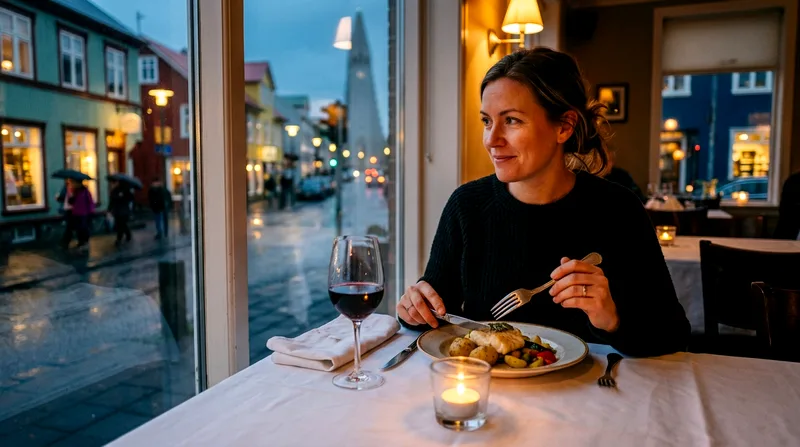
Climb Hallgrímskirkja's tower (small fee, around 1,500 ISK) for the best rooftop view of the city's colored tin roofs against snow. Afterward, Perlan — the glass-domed museum on Öskjuhlíð hill — has a genuine ice cave replica and planetarium-style aurora show, a sound backup if you missed the real thing or the weather's too rough for outdoor plans. Budget 2 hours there. Wander Laugavegur, the main shopping street, for lunch and coffee; it's touristy but walkable and warm, two things that matter a lot on a short winter afternoon.
Evening
End with a geothermal soak — Sky Lagoon's infinity-edge pool facing the ocean is a strong closer, or go back to a local favorite like Laugardalslaug, a public pool used by Reykjavik residents rather than tourists, at a fraction of the Blue Lagoon's price (around 1,300-1,500 ISK entry). It lacks the spa extras but the hot tubs are just as hot, usually 38-42°C across different pots.
Getting Around Reykjavik in Winter
Reykjavik's city center is walkable, but winter sidewalks ice over fast, and the city's de-icing schedule doesn't always keep pace with sudden snowfall. Pack boots with real tread, not fashion boots — this sounds obvious until you're sliding down Skólavörðustígur.
For day trips, I'd steer most visitors toward organized tours over self-driving in December through February. Icelandic winter roads outside the city can close with little notice, and rental agencies often restrict certain vehicles from mountain routes entirely during storm warnings. If you do rent a car, choose one with studded winter tires (standard on most winter rentals) and check road.is before departing each day — it's the official conditions map and it's genuinely useful, not just a formality.
Buses run within Reykjavik reliably, but intercity winter bus schedules thin out considerably, making organized tours the more dependable option for Golden Circle and glacier day trips covered above.
placeholder
placeholder
Where to Base Yourself
Staying in central Reykjavik — around the harbor or near Laugavegur — makes the most sense for this itinerary, since every tour pickup point and the main sights are within a 10-15 minute walk. Expect to pay more than you would in a satellite town, but you'll save time and transfer hassle on four already packed days.
Compare that to basing in a town like Akureyri or Husavik, which make sense for a North Iceland-focused trip chasing whale watching or a different aurora backdrop, but add hours of driving if your plan centers on the Golden Circle and south-coast ice caves as this one does. Keflavik, near the airport, is cheaper and convenient for Day 1 only — staying there the whole trip means daily transfers into Reykjavik that eat into your limited daylight.
Optional Bookable Experiences
If you have a fifth day or want to swap one activity, a few other options fit this itinerary's winter logic. A small-boat sunset tour along Reykjavik's harbor, weather permitting, adds a different angle on the city's light. A snowmobile excursion on a glacier tongue near the south coast pairs well with the Golden Circle day if you start very early and treat it as a full-day add-on rather than a half-day extra. A whale-watching tour is possible from Reykjavik's old harbor year-round, though sightings are less frequent in winter than in summer — Husavik, several hours north, has a stronger winter reputation for this if whales are your priority.
Book the ice cave tour and at least one Northern Lights tour before you land — both sell out during peak weeks (late December, February school holidays) and weather cancellations mean operators need buffer days to rebook you. Compare current Reykjavik tour prices and availability for these before you finalize your dates, since schedules shift with daylight and glacier conditions each season.
Frequently asked questions
What is the best time to see the Northern Lights in Reykjavik?
Late September through March offers dark enough skies, with the longest viewing windows in December and January. You need clear skies and moderate-to-high solar activity (KP index 3+), neither of which can be scheduled — book a tour with a free rebooking policy for cloudy nights, and plan at least two attempts if lights are a priority.
Do I need a car to explore Reykjavik in winter?
No. The city center is walkable, and organized tours cover the Golden Circle, ice caves and aurora hunts more safely than winter self-driving, given black ice and sudden road closures on routes like the Ring Road. A car only makes sense if you have winter driving experience and plan to go off the main tourist routes.
Are ice cave tours available year-round?
Natural blue ice caves are generally accessible only from around November to March, when the ice is stable enough for safe entry. Outside that window, operators usually pivot to glacier hikes or man-made ice tunnels instead, so check which type of cave a tour actually visits before booking.
What should I pack for a winter trip to Reykjavik?
Layer with a wind/waterproof outer shell, insulated mid-layer, and thermal base layer, plus waterproof boots with real tread for icy sidewalks. Bring a swimsuit for geothermal pools, a small towel if your hotel doesn't provide one for day-trip spas, and a headlamp or phone flashlight for the long dark mornings and evenings.
Can I visit the Blue Lagoon in winter?
Yes — it operates year-round and many visitors find winter the best season, since the contrast between steaming 37-39°C water and snow or sub-zero air is more striking than in summer. Book your entry slot several weeks ahead for December and February dates, as walk-in availability is limited.