Explore Reykjavik in 3 days with this itinerary covering city sights, the Golden Circle, and geothermal spas, with practical tour tips.
Who This Itinerary Is For
This 3 day Reykjavik plan assumes you land, lose half a day to the airport transfer, and want a structure that doesn't waste a single morning. It suits solo travelers who want flexibility but also like having a Golden Circle day pre-booked so they're not organizing logistics on vacation. Couples get a decent mix of culture, nature, and a spa evening that doubles as a date. Families with children aged roughly 8 and up can manage all three days, though toddlers will struggle with the Golden Circle's long drive segments.
Senior travelers should know that Day 2 involves several hours of walking on uneven, sometimes wet terrain at Þingvellir and Gullfoss — manageable with good boots, but not a lazy day. If you're traveling with limited mobility, consider a Golden Circle tour operator that offers smaller viewing stops rather than full guided walks.
This itinerary isn't built for hardcore hikers or mountaineers chasing multi-day treks — three days barely scratches Iceland's interior, and anyone wanting Landmannalaugar or glacier trekking should treat this as a city-and-Golden-Circle primer before heading further out. World travelers comparing Reykjavik to Tromso or Bergen will notice Reykjavik is smaller and more walkable than either, which is exactly why three days here goes further than three days in a bigger Nordic capital.
Day 1: City Centre & Culture
Start slow. If you've just flown in from Europe or further, your body needs the morning to adjust, so this day is deliberately light on logistics and heavy on walking.
Morning: Hallgrímskirkja & Old Harbour
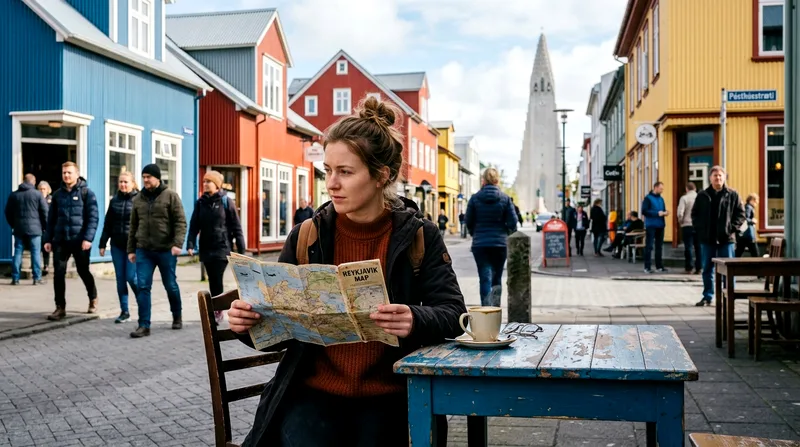
Begin at Hallgrímskirkja around 9:30am, before tour buses arrive. The church itself is free to enter; the tower costs a small fee (around 1,500 ISK) and gives you the best panoramic view of Reykjavik's corrugated-metal rooftops — better, honestly, than anything from Perlan's dome. Budget 30-40 minutes including the elevator queue.
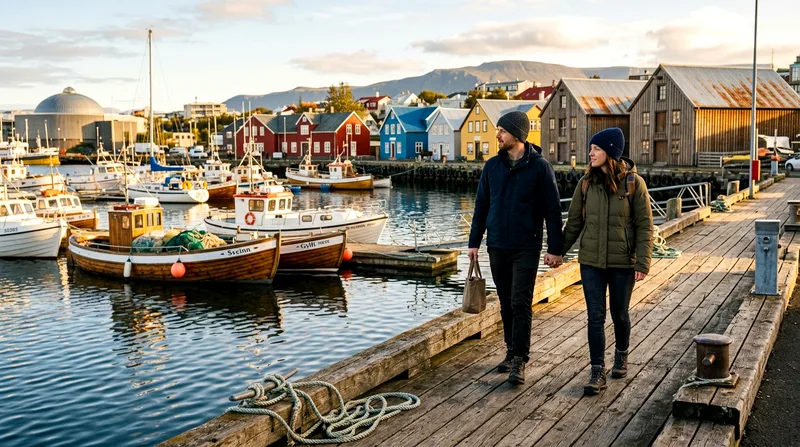
From there, walk down Skólavörðustígur — the main shopping street — toward the centre, then continue to the Old Harbour, about 20 minutes on foot. The harbour area has working fishing boats alongside whale-watching and puffin-tour piers, plus a handful of good lunch spots. This is also where most whale-watching tours depart, so if you want to add one, book a slot for Day 1 afternoon or keep it as a flexible add-on for Day 3 if weather allows.
Afternoon & Evening: Museums & Dining
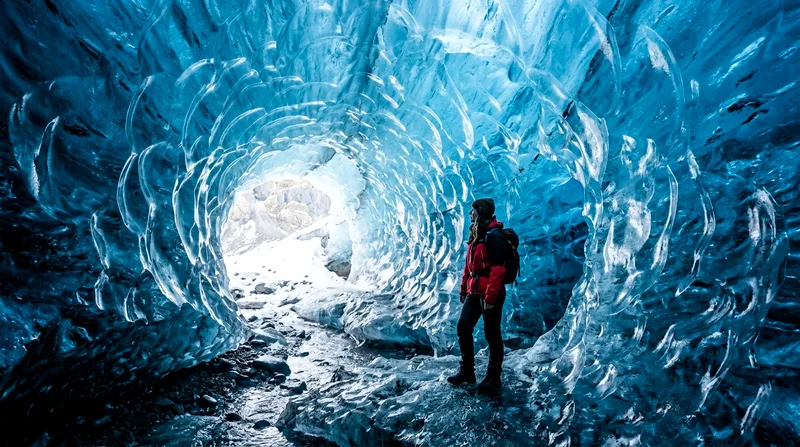
After lunch near the harbour, head to the National Museum of Iceland (allow 90 minutes) for context on Viking settlement and Icelandic history — it's dry in places but essential if you want Þingvellir tomorrow to mean something. Alternatively, Perlan's exhibition on Icelandic nature and its ice cave replica works better for families with kids who'll zone out in a traditional museum.
End the day at Harpa Concert Hall, whose glass façade is worth seeing even if you're not attending a performance — walk through the lobby around sunset for the best light on the geometric glass panels. For dinner, Reykjavik's food scene leans expensive: expect 4,000-6,000 ISK for a solid main course at a mid-range restaurant. Compared to Akureyri or Husavik, where seafood is often cheaper and more casual, Reykjavik dining is pricier but has far more variety, including New Nordic tasting menus if you want to splurge one night.
Day 2: Golden Circle Day Trip
This is the day to pre-book. The Golden Circle — Þingvellir, Geysir, Gullfoss — is doable self-drive, but a guided tour from Reykjavik removes the stress of icy roads in winter and lets you actually look at the scenery instead of the GPS. Most organized tours run 8-9 hours, departing around 8:30-9am and returning by 5-6pm.
Each day of this Reykjavik itinerary pairs one major activity type with a realistic time commitment, so you can swap days around weather or energy levels.
3 days in Reykjavik itinerary: daily highlights, duration, and activity type
| Day | Main Activity | Duration | Activity Type |
|---|---|---|---|
| Day 1 | Hallgrímskirkja, Old Harbour, museums | 6-7 hours | Walking, culture |
| Day 2 | Þingvellir, Geysir, Gullfoss (Golden Circle) | 8-9 hours | Guided tour, nature |
| Day 3 | Blue Lagoon or Sky Lagoon, local pools | 3-5 hours | Relaxation, spa |
Durations are approximate and vary by tour operator, season, and road conditions; confirm current times when booking.
Morning: Þingvellir National Park
Þingvellir National Park, about 45 minutes from Reykjavik, is where the North American and Eurasian tectonic plates visibly pull apart — you can walk through the rift valley itself. It's also the site of Iceland's original parliament, founded in 930, which matters if you did the museum homework yesterday. Allow 60-90 minutes for the main walking loop; the path is flat gravel but exposed to wind, so layer up even in July.
Afternoon: Geysir & Gullfoss Waterfall
Geysir geothermal area is next, roughly 50 minutes from Þingvellir. The original Geysir is mostly dormant now, but neighboring Strokkur erupts every 5-10 minutes, shooting water 15-20 metres up — give it 30-45 minutes to see a few eruptions and get photos. Gullfoss waterfall, a further 10 minutes down the road, is the visual highlight for most people: a two-tier cascade dropping into a canyon, with a viewing platform close enough to feel the spray. Budget an hour here, more if you want the lower path (icy and closed some winters).
Compare this to a day trip toward Vik, which trades the Golden Circle's geology for black sand beaches and basalt columns — equally worthwhile, but a different trip entirely and not something you can tack onto this same day.
Day 3: Geothermal Spas & Relaxation
Your last day should be low-effort by design, especially if you've got an evening flight out of Keflavik.
Morning: Blue Lagoon or Sky Lagoon
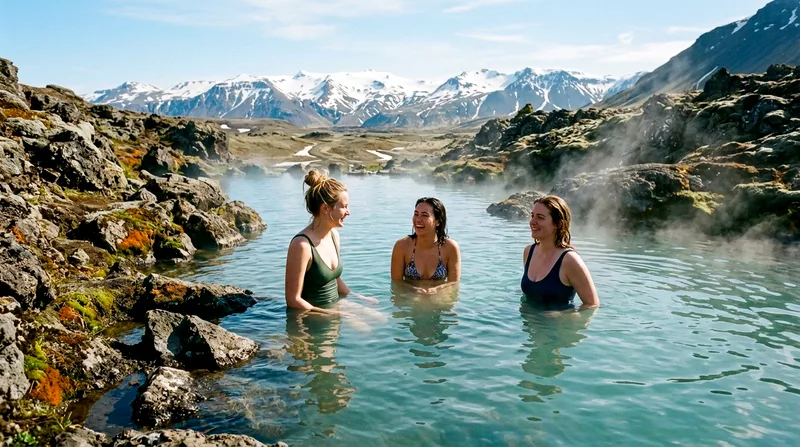
The Blue Lagoon, about 45 minutes from Reykjavik and conveniently near Keflavik airport, is the famous milky-blue lagoon everyone's seen in photos — book entry at least a few weeks ahead in summer, since it sells out. Sky Lagoon sits just 15 minutes from central Reykjavik and offers a more understated infinity-edge pool facing the ocean, plus a seven-step spa ritual (sauna, cold plunge, steam, body scrub). It's smaller and less crowded than Blue Lagoon but doesn't have the same otherworldly lava-field setting.
If your flight leaves in the evening, Blue Lagoon makes more logistical sense — you can soak, then drop straight to the airport, bags and all (most facilities offer luggage storage). If you're staying another night, Sky Lagoon saves you the drive.
Afternoon: Local Pools & Departure
If the big lagoons feel touristy or overpriced to you — and at roughly 7,000-15,000+ ISK depending on package, that's a fair complaint — skip them and go local instead. Laugardalslaug, Reykjavik's largest public pool, costs around 1,200 ISK and gives you the same geothermal hot-pot culture Icelanders actually use, minus the gift shop. It's a five-minute walk from several central hotels.
Wrap the trip with a light lunch near downtown before heading to Keflavik — allow 45 minutes drive plus buffer time for the Flybus or rental car return, and budget at least 2.5 hours before an international flight.
Getting Around Reykjavik
Reykjavik's compact centre is walkable in a way few capital cities manage — most of Day 1 doesn't require transport at all.
Public Transport & Taxis
Strætó, the city bus network, covers greater Reykjavik with single fares around 550 ISK; useful for reaching Laugardalslaug or outer neighborhoods, less useful for the Golden Circle, which buses don't efficiently serve. Taxis are available but expensive — a short city ride can run 2,500-3,500 ISK — so they're a backup, not a daily habit. For a city this size, a 3-day transit pass rarely pays off unless you're also swimming at multiple pools.
Car Rental Options
Renting a car makes sense if you want to do the Golden Circle at your own pace or add a detour toward Vik or the south coast. Expect to pay more for insurance add-ons (gravel protection, ash/sand protection) than the base rental in winter. If you're nervous about Icelandic winter roads — ice, sudden wind gusts, unlit rural stretches — a guided Golden Circle tour is the safer, less stressful choice, and it's what I'd recommend for anyone not used to driving in snow.
Where to Base Yourself
Stay in the 101 Reykjavik postcode if you can — it covers downtown, the harbour, and most restaurants within walking distance, and it's where Day 1 of this itinerary naturally unfolds. Hotels here cost more than the outer suburbs, but you'll save on taxis and time.
Budget travelers sometimes base themselves near BSÍ bus terminal, slightly outside downtown, where guesthouses run cheaper and most Golden Circle tours still offer pickup. I wouldn't recommend staying out near Keflavik itself unless you have a very early or late flight — the 45-minute drive into Reykjavik each day erodes the whole point of a short trip. Compared to Isafjordur or Hofn, where you're forced to stay centrally because there's nothing else, Reykjavik actually gives you a real choice between convenience and cost — use it.
Optional Bookable Experiences
Beyond the core three days, a few add-ons are worth reserving if you have extra time or want to swap out a weaker element of the plan. A sunset boat tour from the Old Harbour works well on Day 1 evening in summer, when daylight stretches past 10pm. Whale-watching tours typically run 3 hours and depart multiple times daily from the harbour — book morning slots if you get seasick easily, as afternoon waters tend to be choppier.
For Day 2, some operators offer a "Golden Circle plus" version that adds a stop at the Kerið volcanic crater or a snowmobile excursion on a glacier — useful if you want more adrenaline than waterfalls and geysers provide. Northern Lights tours, available roughly September through April, are worth booking as a flexible evening add-on rather than fixed into the itinerary, since clear skies aren't guaranteed and most operators offer free rebooking if you don't see anything.
I'd avoid combining a full-day Golden Circle tour with a Northern Lights tour the same evening — by the time you're back from Gullfoss, you'll be too tired to enjoy standing in a dark field for two hours. Compare current Golden Circle tours, lagoon packages, and boat tours before you book, since availability and exact pickup times shift by season and operator.
Frequently asked questions
Is 3 days enough time in Reykjavik?
Yes, for a first visit. Three days covers the city centre, one full Golden Circle day, and a spa day — the three things most visitors actually want. It's not enough for the south coast, Westfjords, or multi-day hiking; those need a separate trip.
Can you do the Golden Circle in one day?
Yes — it's designed as a single-day loop, typically 230-250 km round trip from Reykjavik, taking 8-9 hours including stops. Rushing it to under 6 hours means skipping Gullfoss's lower path or cutting Þingvellir short, which defeats the point.
What is the best time to visit Reykjavik?
June through August gives near-24-hour daylight and the easiest driving conditions, but also the highest prices and crowds at Blue Lagoon. September and February-March balance decent weather with Northern Lights chances. Winter (Dec-Jan) means short daylight (4-5 hours) but dramatic contrast and lower hotel rates.
Do you need a car for 3 days in Reykjavik?
No. The city centre is walkable, and the Golden Circle is easier and often cheaper as a guided tour than a self-drive rental once you factor in insurance and winter tire costs. A car only pays off if you're adding extra regions like Vik or Hofn.
How much does a 3-day Reykjavik trip cost?
Budget travelers can get by on roughly 20,000-25,000 ISK per day covering a hostel bed, groceries, and one paid activity. Mid-range travelers should expect 35,000-50,000 ISK per day once you add a hotel, restaurant meals, the Golden Circle tour, and a lagoon visit. Iceland is consistently pricier than Bergen and noticeably more expensive than most Eastern European capitals.