Discover Reykjavik's geothermal hot springs: free public pools, natural thermal baths, and premium spa experiences. Complete guide to what's free and what requires booking.
Free Public Hot Pools in Reykjavik
Reykjavik doesn't really have "free" hot springs in the sense of a natural pool you walk into without paying — nearly every geothermal pool in the city is a municipal facility with an entry fee. But call it what locals call it: cheap, not free, and still a bargain against anything branded as a spa. Entry to a city pool runs roughly 1,500–1,900 ISK (about $11–14) for adults, with discounts for seniors, children, and multi-visit passes. Compare that to premium lagoons charging several times more, and the public pool system starts to look less like a budget fallback and more like the smarter choice.
What you get for that price: at least one large heated pool held around 28–30°C, several smaller hot pots ranging from about 37°C to 42°C, often a steam room, and sometimes a cold plunge or slide. These are working-class neighborhood institutions, not tourist attractions — Icelanders go several times a week, year-round, in all weather. That's the real texture of "public swimming culture Iceland" visitors keep hearing about: retirees doing laps at 7am, teenagers hanging out in the hot pot after school, parents watching toddlers on the water slide.
I'd avoid treating this as a single stop on a city tour. The pools reward repeat visits more than one rushed hour between other sights. If you're only going once, pick based on vibe rather than proximity — some pools feel like community centers, others feel like quiet retreats.
Public pools in Reykjavik cost a fraction of premium lagoons and deliver the same hot geothermal water with far less polish.
Reykjavik hot springs compared: public pools vs. bookable spas
| Option | Typical Entry Cost | Distance from Downtown | Booking Required | Best For |
|---|---|---|---|---|
| Sundhöllin | approx. $11-14 | In downtown | No | Quick visit, lap swimming |
| Laugardalslaug | approx. $11-14 | approx. 2.5 km | No | Full day, families, slides |
| Vesturbæjarlaug | approx. $11-14 | approx. 2 km | No | Quiet, local atmosphere |
| Sky Lagoon | Premium tier pricing | approx. 7 km | Yes, timed entry | Sea views, ritual experience |
| Blue Lagoon | Premium tier pricing | approx. 50 km (near Keflavik) | Yes, timed entry | Airport-day combo trip |
| Secret Lagoon (Flúðir) | Mid-range pricing | approx. 110 km | Recommended | Natural-feel soak, day trip |
Prices and booking requirements change seasonally; check current rates and availability before you travel.
Sundhöllin and historic thermal baths
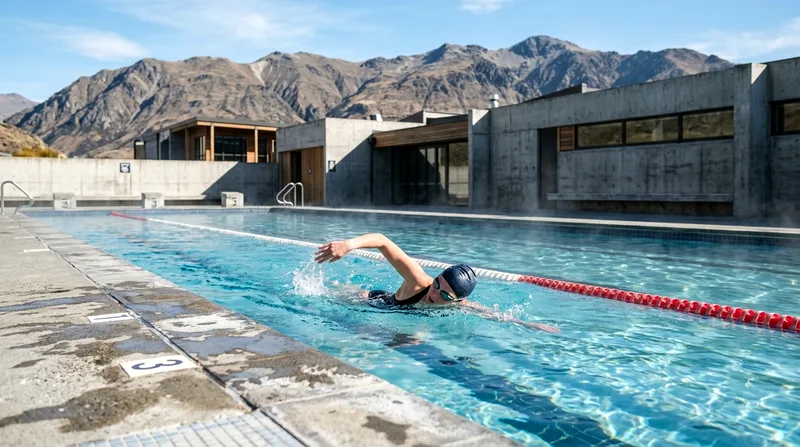
Sundhöllin, opened in 1937, is Reykjavik's oldest public pool and the only one actually inside downtown, on Barónsstígur. Architect Guðjón Samúelsson — also responsible for Hallgrímskirkja — designed the building, and the indoor pool retains real Art Deco character even after a modern outdoor extension was added. The outdoor section has hot pots and a cold plunge with city views, which makes it the most convenient option if you're staying downtown and don't want to bus out to the suburbs. Expect it to be busier and smaller than Laugardalslaug, and the indoor pool itself skews more toward serious lap swimmers than loungers.
Laugardalslaug and neighborhood pools
Laugardalslaug, in the Laugardalur valley about 2.5 km east of downtown, is the largest and most complete pool complex in the city: an Olympic-size outdoor pool, multiple hot pots at different temperatures, a steam bath, waterslides, and a mini-golf course next door. It's the one locals recommend to visitors who only have time for one pool. Beyond the two headline venues, Vesturbæjarlaug and Árbæjarlaug are quieter, more residential options — less crowded, less polished, and arguably more representative of how an ordinary Reykjavik suburb actually uses its pool. If you're renting a car or using the city bus (Strætó) to get around, these neighborhood pools are an easy, cheap addition to a day that also includes a museum or the Sun Voyager sculpture nearby.
Geothermal Spas and Bookable Thermal Experiences
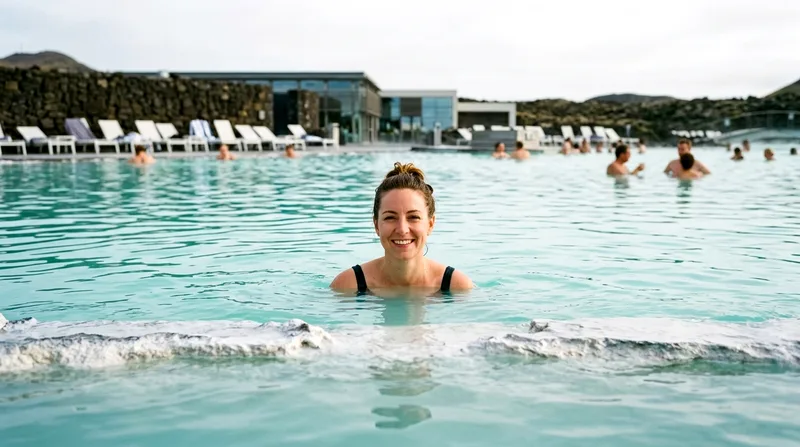
Above the municipal pool tier sits a small set of designed thermal spas built specifically for visitors rather than residents. Sky Lagoon, on the Kópavogur shoreline about a 15-minute drive or taxi from central Reykjavik, is the obvious city-adjacent choice — an infinity-edge geothermal pool facing the sea, with a multi-step Scandinavian-style ritual (sauna, cold plunge, steam, body scrub) included in most admission tiers. It's closer and faster to reach than the Blue Lagoon, which sits near Keflavik, roughly 45 minutes from Reykjavik and usually tied to arrival or departure day because of that location.
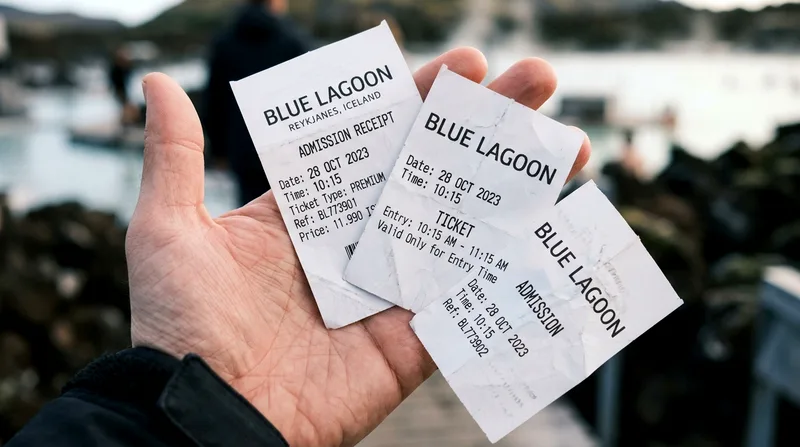
This is the key trade-off to understand before booking: Sky Lagoon suits anyone staying in the city who wants a half-day thermal experience without eating into a road-trip day. Blue Lagoon suits travelers who want to combine the soak with an airport transfer, since it sits directly on the route between Reykjavik and Keflavik International Airport. Both require advance booking with a timed entry slot — neither accepts walk-ins reliably, especially in peak summer months or around holidays.
Premium spa facilities and amenities
What separates these from a city pool isn't really the water — it's the design and the add-ons. Expect in-water swim-up bars, locker rooms with better finishes, changing areas with more privacy, on-site restaurants, and landscaping meant to be photographed. Sky Lagoon's ritual sequence is the clearest example: it's structured as an experience with a beginning and end, not just a pool you drop into. That structure is worth paying for if you want a relaxing, bookable block of time built into your itinerary — say, after a glacier hike or a long day on the Golden Circle. It's not worth paying for if your only goal is "get in hot water," because Laugardalslaug does that for a fraction of the cost.
Booking options and what to expect
Both major spas sell timed-entry tickets online, often in tiers that bundle a towel, robe, or ritual access at higher price points. Capacity is limited per slot, and popular afternoon and evening times sell out days ahead in high season — don't assume you can decide the morning of. Bring a reusable water bottle; alcohol is usually available but priced like a hotel bar, not a corner shop. One genuine downside: because entry is timed, you lose the spontaneity of the public pools, where you can show up at 6am or 9pm on a whim. Compare current spa tours and prices before you book, since tiers and seasonal packages change.
How Geothermal Heating Works in Reykjavik
The reason Reykjavik has so many heated pools — and heated sidewalks, and heated homes — comes down to geology, not luxury infrastructure. Iceland sits on the Mid-Atlantic Ridge, where magma sits close enough to the surface to heat groundwater to high temperatures. That water is pumped up, run through district heating networks, and used directly to heat buildings and pools rather than converted to electricity first. It's a remarkably efficient system, and it's why pool entry is so cheap: the city isn't paying fossil-fuel prices to keep the water at 29°C.
Iceland's renewable thermal energy system
Roughly nine in ten Icelandic homes are heated through geothermal district heating, and Reykjavik's hot water utility, Orkuveita Reykjavíkur (Reykjavik Energy), draws from boreholes around the city and surrounding region, including the geothermal fields at Nesjavellir and Hellisheiði. This same resource powers the public pool network, which is part of why Iceland built so many of them rather than treating pools as a tourist amenity. It's worth knowing this before you dismiss a public pool as "basic" — the infrastructure underneath it is genuinely advanced, even if the changing rooms look like a 1980s gym.
Planning Your Hot Spring Visit
Decide early whether your priority is cost or scenery, because that decision shapes your whole day. A pool-hopping day — Sundhöllin in the morning, Laugardalslaug in the afternoon — costs less than one ticket to a premium lagoon and gives a better sense of daily life. A single splurge day at Sky Lagoon or the Blue Lagoon gives better photos and a calmer, less crowded soak, but it eats three to four hours and a bigger chunk of budget.
Best times to visit and etiquette
Icelandic pool etiquette is strict and non-negotiable: shower naked at the designated communal stations before putting on a swimsuit, no exceptions, and staff do check. This surprises a lot of first-time visitors, particularly Americans and some Asian travelers unused to communal nude showering, but it's taken seriously as basic hygiene, not a cultural quirk you can skip. Weekday mornings before 9am and mid-afternoon on weekdays are quietest at the public pools; weekends and early evenings get busy with families. For the bookable spas, late afternoon slots in winter often align with a chance of seeing the aurora overhead if skies are clear — worth requesting when you book if that's a priority. Avoid visiting any outdoor pool immediately after a heavy snowfall before paths are cleared; the walk from locker room to pool can be genuinely icy.
Beyond the City: Nearby Thermal Destinations
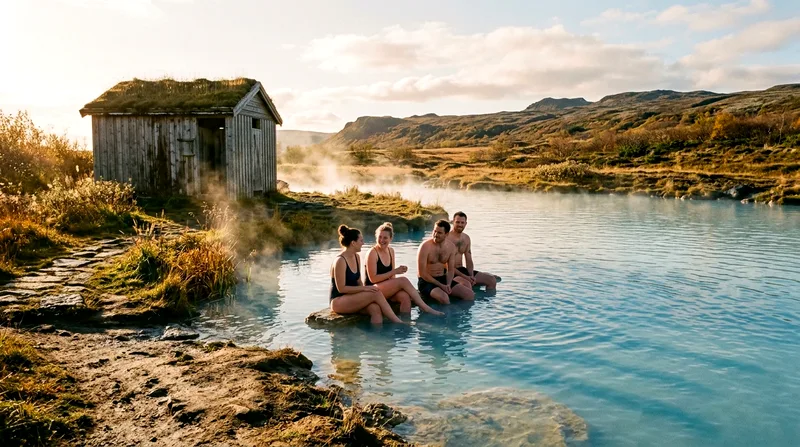
If you're extending beyond Reykjavik, the rest of Iceland offers a different kind of thermal bathing — more remote, often less developed, sometimes genuinely natural rather than engineered. The Secret Lagoon near Flúðir, about 90 minutes from the city, is one of Iceland's oldest swimming pools and feels closer to a natural hot spring than Sky Lagoon does. Further afield, Akureyri in the north has its own excellent municipal pool, and the Mývatn Nature Baths near Húsavík offer a northern, less crowded alternative to the Blue Lagoon with a similar milky-blue mineral water.
Towns like Vik and Höfn don't have headline geothermal spas, but smaller swimming pools exist in most Icelandic towns, including Ísafjörður in the Westfjords — useful to know if you're doing a longer road trip and want a hot soak after a day of driving the Ring Road or the Westfjords' gravel roads. If your itinerary stretches beyond Iceland entirely, that Tromso and Bergen, two other common Nordic stops, don't have this geothermal pool culture at all — their public baths are chlorinated and heated conventionally, which makes Iceland's network genuinely distinct, not just another Scandinavian city amenity.
Frequently asked questions
Are there free hot springs in Reykjavik?
Not truly free ones within the city — almost every geothermal pool is a municipal facility charging a modest entry fee, typically $11–14. There's no walk-in natural hot spring inside Reykjavik itself; for an actually free, wild soak you'd need to travel well outside the city, and even then most known spots now have some access fee or official management.
What is the difference between public pools and spa resorts?
Public pools like Laugardalslaug and Sundhöllin are municipal facilities used daily by residents, with basic locker rooms, multiple hot pots, and low entry fees. Spa resorts like Sky Lagoon and the Blue Lagoon are designed visitor experiences with landscaped pools, ritual treatments, swim-up bars, and timed-entry tickets costing several times more.
Do I need to book thermal pools in advance?
Public pools don't require booking — you just pay at the entrance. Premium spas like Sky Lagoon and the Blue Lagoon require advance booking with a specific time slot, and popular afternoon and evening slots sell out days ahead during peak season.
What should I bring to a geothermal pool?
Bring a swimsuit, a towel (rentable at most pools for a small fee), and flip-flops. A hair tie and shower essentials help, since the mandatory pre-swim shower is thorough. Premium spas usually include towels and robes in higher-priced tickets, so check what's included before packing extra.
Are hot springs safe year-round?
Yes — both public pools and premium spas operate through winter, and outdoor bathing in snow is a normal part of the experience. The main caution is icy walkways around outdoor pool decks after snowfall or freezing rain, so move carefully between the changing room and the water.