Learn how to save on Reykjavik tours with smart timing, combo tickets, and city card math. Practical strategies that actually cut your costs.
Where Your Money Goes on Tours
Figuring out how to save on Reykjavik tours starts with understanding what you're actually paying for. A single day tour to the Golden Circle typically runs in the range of ISK 12,000–20,000 per adult (roughly €80–135), while a Blue Lagoon entry with transport can add another €70–100 per person once you include transfers. Multiply that across a family of four for a week and you're looking at a four-figure euro sum before you've paid for a single meal.
The honest trade-off is this: Reykjavik isn't cheap, and no amount of clever booking changes that fundamentally. Iceland's labor costs, fuel prices, and the sheer distances covered on day tours (the Golden Circle loop alone is about 300 km round trip) keep baseline prices high compared to, say, a city tour in Bergen or a fjord cruise out of Tromso. What you can control is avoiding the markups layered on top of that baseline.
Activity pricing breakdown
Roughly speaking, a Reykjavik day tour price breaks into three chunks: vehicle and fuel costs, guide wages, and entrance fees passed through from attractions like Þingvellir National Park or geothermal sites. Entrance fees are usually fixed regardless of who sells you the ticket — the Blue Lagoon charges the same base rate whether you book direct or through a reseller. Where prices diverge is in the markup operators add for bundling transport and guiding. A self-drive Golden Circle costs only fuel (around €40–60 for a rental car for the day, split between passengers) plus entrance fees, versus €100+ per person for a guided coach tour. The guided version buys you commentary and no driving stress — not necessarily a better experience, just a different one.
Hidden fees and markups
Watch for three sneaky add-ons: "booking fees" tacked on at checkout, mandatory towel or wetsuit rental fees at geothermal pools that aren't shown in the headline price, and transfer surcharges for hotel pickup outside central Reykjavik. If you're staying near Laugavegur or around Tjörnin Pond, you're usually in the free pickup zone; stay out by the airport road and you may pay extra. Always check the final price at checkout, not the teaser price on the search results page — this is standard across booking platforms, not a Reykjavik-specific trick.
Legitimate Ways to Save on Bookings
There's no discount code that unlocks a secret Reykjavik — but there are durable habits that reliably lower your spend. The biggest lever is timing, followed by booking window, followed by group size.
Off-season and shoulder-season timing
June through August is peak season: tour prices sit at their highest, popular slots for Golden Circle and south coast tours sell out days ahead, and Blue Lagoon slots can be booked out a week in advance. Shoulder months — April, May, September, and early October — bring noticeably lower demand, milder competition for seats, and often lower accommodation rates, even if tour prices themselves only drop slightly. Winter (November to February) is cheapest overall and adds the chance of seeing the northern lights, but daylight shrinks to four or five hours and some Highland and glacier routes close entirely. If you're flexible, shoulder season is the sweet spot: better odds of availability without winter's driving risks.
Early booking discounts
Booking 4–6 weeks ahead for summer tours and 1–2 weeks ahead for winter tours usually secures both availability and the lowest tier of pricing — many operators raise prices as departure dates fill up, similar to airline pricing. Waiting until you land in Reykjavik can occasionally net a last-minute seat-filler discount on a half-empty tour, but it's a gamble, especially for anything involving the Blue Lagoon, which frequently sells out entirely in summer.
Group rates and multi-day passes
Most tour operators apply group discounts starting around 6–10 people, which rarely helps independent travelers unless you're part of an organized tour group. More useful for families and couples: multi-day tour packages that combine, say, the Golden Circle with a South Coast waterfall tour over two days often cost less per day than booking each separately, because transport and admin overhead gets spread across more activities.
City Cards and Combo Ticket Math
The Reykjavik City Card is the one product worth running actual numbers on before you buy — and whether a Reykjavik city card is worth it depends entirely on your itinerary, not on marketing copy.
The Reykjavik City Card earns its price mainly for travelers stacking museums, pools, and buses — not for those focused on day tours outside the city.
Reykjavik City Card tiers vs. typical tour costs: what pays off and when
| Option | Typical Duration | What It Covers | Best For | Pays Off If |
|---|---|---|---|---|
| 24-hour City Card | 1 day | Museums, pools, buses | Short layovers | 3+ paid attractions in a day |
| 48-hour City Card | 2 days | Museums, pools, buses | Couples, families | 5+ attractions across two days |
| 72-hour City Card | 3 days | Museums, pools, buses | Longer city stays | Daily pool visits + 2 museums |
| Golden Circle + Blue Lagoon combo | 1 day | Transport + entry fees | Day-trippers | Both planned anyway |
| Self-drive rental day | 1 day | Fuel + entry fees only | Confident drivers, groups of 3-4 | Splitting fuel cost 3+ ways |
Typical inclusions and price relationships; check current City Card pricing and attraction lists before booking.
Comparing card options and ROI
The card typically covers entry to several museums (including the National Museum of Iceland), Reykjavik's thermal pools, and city buses, sold in 24, 48, and 72-hour tiers. Do the math against your actual plan: if you intend to visit the National Museum, swim at a city pool, ride the bus a few times, and perhaps visit Perlan's observation deck, the 48-hour card often pays for itself on day two. If your plan is mostly Golden Circle and Blue Lagoon day trips — which the card doesn't cover — it's dead weight. Treat it like a transit pass, not a magic discount: it only earns its price if you stack enough covered activities into the window.
When bundles actually save money
Combo tickets make sense when the two things you'd book anyway are paired together — a Golden Circle tour bundled with a Blue Lagoon transfer on the return leg, for instance, saves a separate transport booking and often a few thousand krona versus buying each leg solo. They stop making sense when the bundle forces you into an attraction you weren't planning to visit just to access the discount. Before clicking buy, price out each component separately; if the bundle isn't at least 10–15% cheaper than the sum of its parts, skip it and book direct.
What's Not Worth Skimping On
Cutting costs in Reykjavik has limits, and pretending otherwise gets people hurt or soaked. There are two places I'd never recommend trimming the budget: safety-related guiding and weather gear.
Safety and guide quality
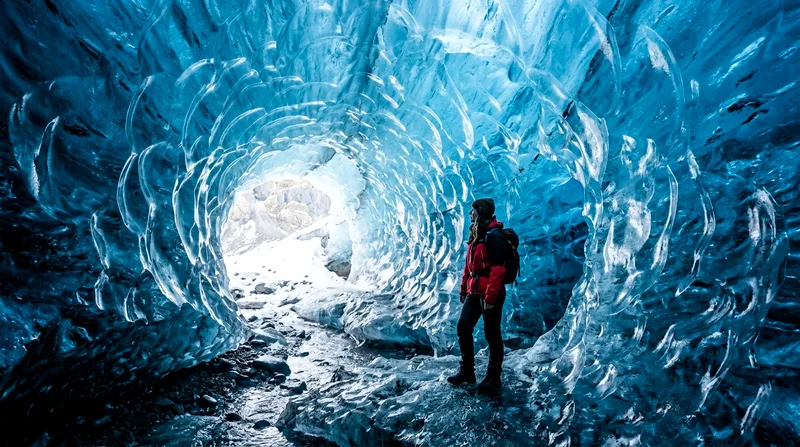
Glacier walks, ice cave tours, and anything on Iceland's south coast near Vik's black sand beaches involve real hazards — sneaker waves at Reynisfjara have killed tourists who ignored posted warnings. A cut-rate glacier tour with an undertrained guide and minimal safety gear isn't a bargain, it's a liability. Stick to operators who provide crampons, helmets, and a guide-to-group ratio that doesn't look like a school field trip. This is one area where the cheapest listed price should raise suspicion rather than excitement.
Weather-appropriate gear rentals
Reykjavik weather shifts fast — sideways rain in July is normal, not rare. Skipping a proper waterproof shell or decent hiking boots to save €20 on a rental usually backfires into a miserable, soaked tour you paid full price for. If you're heading toward Þórsmörk, Landmannalaugar, or any mountain route, rent proper gear rather than relying on a thin poncho from a souvenir shop near Hallgrímskirkja. It's a small cost against the size of the trip overall.
Your Reykjavik Booking Checklist
Pull this together into a sequence rather than treating each tip in isolation — the savings compound when timing, bundling, and platform choice line up.
Pre-trip planning steps
Start by listing your must-do activities, then sort them into "covered by City Card" and "not covered." Check whether any two non-covered activities (like Golden Circle and Blue Lagoon) are commonly bundled — that's your combo ticket candidate. Lock your travel dates against the shoulder-season calendar if your schedule allows any flexibility; moving a trip from late July to early September can lower both tour and hotel costs noticeably. Finally, set booking reminders 4–6 weeks out for summer trips.
Booking platform comparison
Booking direct with the tour operator sometimes beats a reseller marketplace on price, but marketplaces often show more transparent total pricing upfront and let you compare several operators' Golden Circle tours side by side in minutes. Compare at least two platforms before paying, and always check current prices and availability before you book, since rates shift with season and demand — don't rely on screenshots or quotes from a previous trip, even your own.
Frequently asked questions
Is a Reykjavik city card worth buying?
Only if your itinerary actually uses what it covers — museums, thermal pools, and city buses. If you're mostly doing Golden Circle, South Coast, or Blue Lagoon day tours, which aren't included, skip it and pay those entrance fees separately.
What's the cheapest time to book tours?
Winter (November–February) has the lowest overall prices, but shoulder months like May and September offer a better balance of lower demand and manageable weather. Book 4–6 weeks ahead for summer travel and 1–2 weeks ahead for winter to get the lowest pricing tier before seats fill up.
Are free walking tours really free?
They run on a tips-based model, so they're free to join but not free to attend respectfully — budget €10–15 per person as a tip. They're a genuinely good way to orient yourself around Hallgrímskirkja, Harpa Concert Hall, and the old harbor before paying for anything else.
How far in advance should I book?
For Blue Lagoon and peak-summer Golden Circle tours, book 4–6 weeks out — both sell out regularly in July and August. For winter northern lights tours or off-season day trips, 1–2 weeks is usually enough, though weather-dependent tours sometimes open extra slots closer to the date.
Can I save money by visiting in winter?
Yes — tour prices and flights both tend to be lower, and you gain a shot at the northern lights. The trade-offs are short daylight (as little as 4-5 hours in December), icy road conditions, and some Highland routes and hiking trails closing entirely until spring.