Compare puffin watching tours from Reykjavik: boat trips, island landings, and whale-puffin combos. Find the right season, boat type, and price range.
Puffin Watching Tours from Reykjavik: What to Expect
Puffin watching tours from Reykjavik are one of the easiest wildlife encounters in Iceland to arrange — no car, no long drive, just a short boat ride from the Old Harbour out into Faxaflói Bay. Most tours run between one and three hours and bring you within good viewing distance of Akurey Island or Lundey Island, two of the closest puffin colonies to the capital.
I'll say this upfront: a puffin watching tour in Reykjavik is not the same experience as seeing puffins in the Westman Islands or Breiðafjörður, where colonies number in the tens of thousands. Faxaflói Bay's colonies are smaller, but the trade-off is convenience — you can do this in an afternoon with no overnight stay required. If you've got more time and want the biggest, most dramatic puffin cliffs in Iceland, the Westman Islands or Látrabjarg near Breiðafjörður beat Reykjavik hands down. But for a half-day trip that fits around a city stay, Reykjavik's boat tours do the job well.
Main Puffin Tour Categories Compared
There are four broad categories of puffin tour you'll find departing Reykjavik, and they differ enough in format, cost, and suitability that it's worth understanding each before you book.
Boat-only tours to Akurey or Lundey Island offer the best balance of cost and convenience for most travelers, while island landings and combo trips suit more specific goals.
Puffin watching tour Reykjavik: categories compared by duration, group size, and cost
| Tour Type | Duration | Group Size | Typical Inclusions | Price Range | Best For |
|---|---|---|---|---|---|
| Boat-only viewing | 1-1.5 hrs | Large (20-100) | Guide, viewing deck, life jackets | Budget | First-timers, families, casual viewers |
| Island landing (Akurey) | 2-3 hrs | Small-medium | Guide, landing, walking paths | Mid-to-high | Photographers, serious birders |
| Whale and puffin combo | 2.5-3.5 hrs | Large (20-100) | Guide, extended bay route | Mid | Travelers wanting two experiences in one trip |
| Private charter | Flexible, 1.5-3 hrs | Small (private) | Custom route, flexible timing | High | Photographers, families wanting flexibility |
Typical figures based on standard Faxaflói Bay operations; always check current prices, landing availability, and reviews before booking.
Boat-Only Viewing Tours
This is the standard option and the one most operators sell. You board a boat at the Old Harbour, cruise out to Akurey or Lundey Island, and circle slowly while puffins fly overhead or bob in the water nearby. No landing, no walking — you stay on deck the whole time. Trips typically run 1 to 1.5 hours. It suits almost everyone, including people with limited mobility, since there's no scrambling over rocks. The downside is distance: you're viewing from the boat, often 50 to 150 metres offshore, so a zoom lens helps a lot if photography is your main goal.
Island-Landing Puffin Tours
A smaller number of operators offer landings on Akurey, where you disembark and walk on marked paths among the burrows for 30 to 45 minutes under guide supervision. These tours run longer overall — often 2 to 3 hours including transit — and cost more than boat-only trips. Landings are seasonal and weather-dependent, and some years access is restricted to protect nesting birds, so confirm current landing status before booking rather than assuming it's always available. For photographers wanting ground-level shots without a long lens, this is worth the premium. For casual viewers, it's often more than necessary.
Whale and Puffin Combo Tours
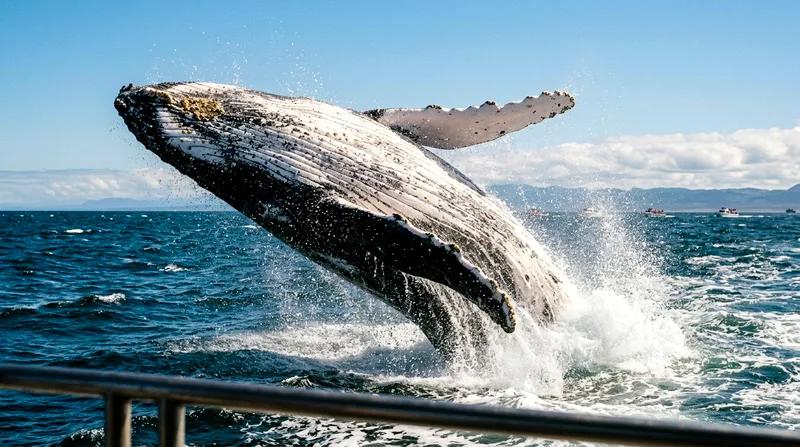
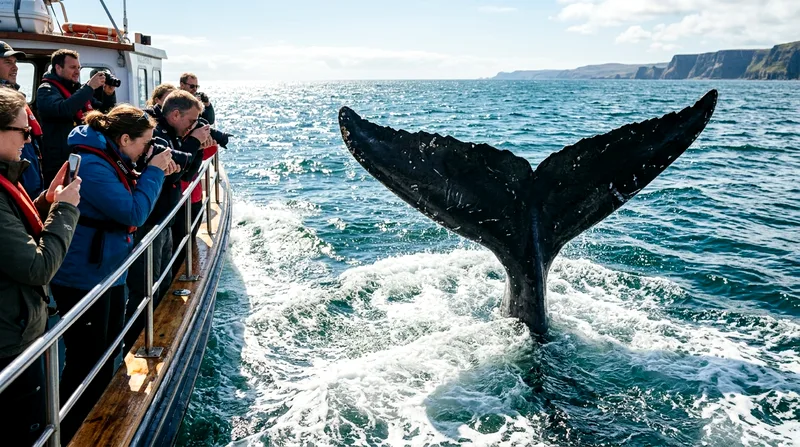
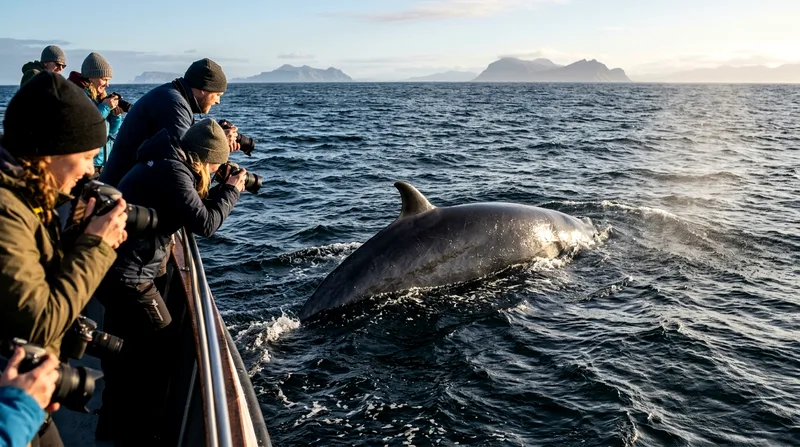
These combine a puffin detour with a longer whale watching route into Faxaflói Bay, where minke whales, white-beaked dolphins, and occasionally humpbacks are seen. Combo tours run 2.5 to 3.5 hours total and represent decent value if you want both experiences in one outing rather than booking two separate trips. The trade-off is time split between objectives — less dedicated puffin viewing than a puffin-only tour, and whale sightings are never guaranteed on any single outing, regardless of season. If whales are your priority, a dedicated whale watching tour with a puffin stop as a bonus will usually serve you better than a tour marketed primarily as "puffin and whale."
Group Versus Private Tours
Standard group tours use boats carrying 20 to 100 passengers and run on a fixed schedule, multiple times daily in peak season. Private charters are available through some operators for small groups or families wanting flexible timing and closer approach distances, at a significantly higher per-person cost. Unless you have a specific reason — a professional photography shoot, a mobility need, or simply wanting to avoid crowds — group tours are the better value and just as effective for puffin viewing, since the birds don't behave differently for a smaller boat.
Who Each Puffin Tour Type Suits
Not every tour type fits every traveler, and matching the right format to your interests matters more than people expect.
Casual Observers and Photographers
If you just want to see puffins and tick the experience off without much fuss, a standard boat-only tour out of the Old Harbour is enough. Families with young children, senior travellers, and solo travelers on a short Reykjavik stopover all fit this profile well — the boats are stable, trips are short, and there's no walking involved. Photographers are a different case: bring at least a 300mm equivalent lens if you want frame-filling shots from a boat-only tour, or consider an island-landing tour if you want closer, more stable compositions without a long lens. Cheap point-and-shoot cameras genuinely struggle here — the puffins are small, fast, and often backlit against the water.
Adventure Seekers and Nature Enthusiasts
Hikers and mountaineers already comfortable with Iceland's wilder corners might find Reykjavik's bay tours a bit tame. If you want a bigger wildlife experience and have an extra day or two, consider pairing a Reykjavik trip with a visit to the Westman Islands, home to the largest puffin colony in the world, or Breiðafjörður further north, both reachable by ferry or short flight. European travellers and world travellers doing a longer Iceland loop should weigh Reykjavik's convenience against these richer colonies — Reykjavik wins on logistics, the islands win on sheer scale and immersion.
What to Look for When Booking a Reykjavik Puffin Tour
Tour listings can look similar at a glance, but a few details separate a good booking from a disappointing one.
Tour Inclusions and Duration
Check whether the listed duration includes transit time or just time at the colony — some "90 minute" tours spend barely 20 minutes actually near the birds. Confirm whether warm outer layers or waterproof jackets are provided; Faxaflói Bay gets windy even on calm summer days, and operators that supply coveralls or jackets are generally better equipped for comfort. Binoculars are a nice-to-have that not all tours include, so bring your own if you have them.
Group Size and Boat Type
Larger boats (RIBs hold fewer passengers, traditional tour boats hold more) handle the bay's chop differently. RIB tours are faster and get closer to the shoreline but are bumpier and less suitable for anyone with back problems or young kids who can't hold on securely. Standard larger boats are slower and steadier, with covered seating — a better choice for families and senior travellers. Ask which boat type is used before booking if comfort matters more to you than speed.
Cancellation and Weather Policies
Wind and swell in Faxaflói Bay cause more cancellations than rain does — strong northerly winds can shut down departures even on an otherwise clear day. Reputable operators offer free rescheduling or a full refund when they cancel for weather, but policies differ on what happens if you cancel. Read the fine print on how many hours' notice is required for a refund if you cancel voluntarily, and avoid any listing that's vague about this. Compare current prices and reviews before you book, since cancellation terms and reliability are exactly the kind of thing recent reviews reveal.
Puffin Season and Tour Availability
Puffin tours in Reykjavik only run during the breeding season when the birds are actually present at the colonies — this isn't a year-round activity, unlike whale watching. Atlantic puffins arrive at Icelandic colonies in late April, raise chicks through the summer, and head back out to open ocean by mid-to-late August. Outside that window, boat operators generally suspend puffin tours entirely or switch exclusively to whale watching, since there's nothing to see at Akurey or Lundey.
Peak colony activity runs June through July, when adult birds are flying constantly between the sea and their burrows feeding chicks — this is when sightings are most reliable and most dramatic, with birds circling the boat in numbers. Late April and May can be hit-or-miss, as birds are still establishing burrows and numbers build gradually. By mid-August, numbers thin out fast as adults and fledglings depart, so a trip booked for late August carries real risk of few or no sightings. If your Iceland trip falls outside late April to mid-August, no Reykjavik puffin tour will deliver what you're hoping for — plan around the Westman Islands won't help either, since the birds are simply gone to sea.
Best Time to Book Your Tour
Timing your booking well matters almost as much as timing your trip to Iceland itself.
Peak Season Booking Windows
June and July are both peak puffin season and peak Iceland tourist season, so popular departure times — especially late morning and early evening slots with the best light — sell out days in advance. If your travel dates fall in this window, book at least a week ahead, and earlier if you're traveling with a group or need a specific departure time to fit around other plans like a Golden Circle day trip or a flight connection through Keflavik.
Early Versus Last-Minute Bookings
Booking weeks ahead locks in your preferred time and usually free cancellation up to 24-48 hours before departure, so there's little downside to booking early even if your plans might shift. Last-minute booking — same day or one day ahead — works fine in shoulder months like May or late August when demand is lower, and you might catch a better price if operators are filling empty seats. In June and July, though, last-minute availability is unreliable, and you risk missing the activity entirely if you leave it to your final days in Reykjavik.
Frequently asked questions
When is puffin season in Reykjavik?
Puffins are present at Faxaflói Bay colonies from late April through mid-August, with peak numbers and activity in June and July. Outside this window, boat tours typically stop running since the birds have left for the open ocean.
What's included in a typical puffin watching tour?
Most Reykjavik puffin tours include a guide, life jackets, and a seat or standing space on deck for a 1 to 1.5 hour round trip to Akurey or Lundey Island. Some include warm outer layers or rain gear; binoculars and landings are usually extra or only offered on specific tour types, so check the listing details before booking.
Can you land on puffin islands from Reykjavik?
Yes, some operators offer guided landings on Akurey Island with walking paths among the burrows, typically lasting 30 to 45 minutes. Landing availability is seasonal and weather-dependent, and access can be restricted in certain years to protect nesting birds, so confirm current landing status directly when booking.
Are puffin tours suitable for children?
Standard boat-only tours work well for families — the boats are stable, trips are short, and kids generally enjoy spotting the birds. Faster RIB-style boats are bumpier and less ideal for young children; a larger, slower tour boat with covered seating is the safer choice for families with kids under about 8.
What should I bring on a puffin watching boat tour?
Bring a windproof jacket regardless of season, since Faxaflói Bay is windy even in summer, plus sunglasses for glare off the water. A zoom lens of at least 300mm equivalent makes a real difference for photos, and motion sickness tablets are worth packing if you're prone to seasickness, since the open bay can get choppy.