Find the best time for whale watching in Reykjavik, month by month. Learn which species appear when, sighting odds, and how to plan your trip.
Peak Whale Watching Season
Reykjavik's whale-watching season runs nearly year-round, but it isn't one continuous window of equal quality. The best time for whale watching in Reykjavik, for most travelers, falls between May and September — specifically June, July, and August — when Faxaflói Bay holds its highest concentration of feeding whales and tour boats run multiple daily departures.
That said, "peak" doesn't mean "only." Operators run trips in winter too, and sighting rates in January and February can surprise people who assume the whales vanish. The honest answer depends on what you want: species diversity and reliable sightings (go in summer), or lower prices and fewer tourists with a narrower chance of seeing orcas or humpbacks (winter).
I'd avoid treating this as a simple binary, though. Shoulder months — May and September — often get overlooked, and that's a mistake. Boats are less crowded than in July, prices sometimes dip, and humpbacks are still present in good numbers before autumn storms start affecting sea conditions.
Summer months offer the widest species mix and highest sighting odds, while winter trades lower crowds for fewer species and shorter daylight.
Best time for whale watching in Reykjavik by month and species likelihood
| Months | Likely Species | Sighting Odds | Daylight | Sea Conditions |
|---|---|---|---|---|
| June-August | Humpback, minke, white-beaked dolphin, harbor porpoise, occasional fin whale | High | Up to 21 hours | Generally calm |
| April-May | Returning humpback, minke, dolphins | Moderate-High | 13-18 hours | Variable, improving |
| September | Humpback (late season), minke, porpoise | High | 11-13 hours | Generally calm |
| October-November | Minke, porpoise, fewer dolphins | Moderate | 7-9 hours | Increasingly rough |
| December-March | Minke, porpoise, occasional orca reports | Lower | 4-7 hours | Rough, more cancellations |
Typical seasonal patterns based on published operator data; actual sightings vary by year and weather, so check current conditions before booking.
Summer months for maximum activity
June through August is when Faxaflói Bay sees the richest feeding activity. Humpback whales arrive to gorge on capelin and sand eel, and minke whales — the most commonly sighted species near Reykjavik — are active and relatively predictable. Many operators report sighting success rates above 90% during these months, though that figure varies by week and should be confirmed with the operator you book, since conditions shift year to year.
Daylight runs nearly around the clock in June, which means tour schedules expand to early morning and late evening departures. That flexibility matters if you're also juggling a Golden Circle day trip or a Blue Lagoon stop — you can fit a 3-hour whale tour into a packed itinerary without sacrificing sleep.
Winter opportunities and trade-offs
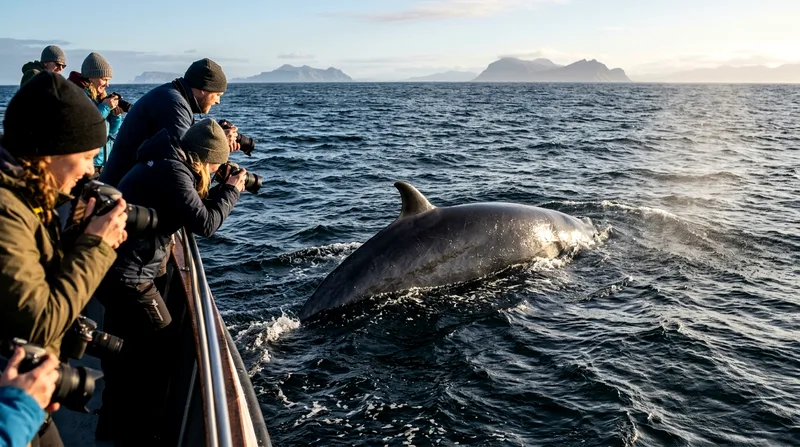
Winter whale watching from Reykjavik is real, but it's a different experience. Orcas are more frequently reported in winter months near Iceland's west coast, though sightings directly from Reykjavik tours are less consistent than from Snaefellsnes. Minke whales and harbor porpoises stay in Faxaflói Bay through the colder months, so you're not guaranteed a blank sea — just a quieter one.
The real trade-off is comfort. Daylight shrinks to four or five hours around the winter solstice, seas get rougher, and tours sometimes get canceled for weather. If you're going in December or January, build a buffer day into your trip in case your boat doesn't sail — the same flexibility you'd want if you were chasing the northern lights on a tight schedule.
Species by Month and Probability
Not every whale species shows up on the same schedule, and this is where a lot of generic travel advice falls short. Humpback whales, minke whales, white-beaked dolphins, and harbor porpoises make up the bulk of sightings in Faxaflói Bay, with fin whales and the occasional blue whale reported further offshore — though blue whale sightings from Reykjavik-based tours are rare enough that you shouldn't plan around them.
Spring arrivals and migrations
April and May mark the return of humpback whales to Icelandic waters after winter migration toward warmer breeding grounds near the Caribbean and West Africa. Minke whales, many of which overwinter closer to Iceland, become more visibly active as water temperatures start rising. White-beaked dolphins often appear in pods during this period, sometimes riding the bow wake of tour boats — a detail that delights kids more than any whale breach does, in my experience reading trip reports from families.
Sighting odds in spring are good but not yet at summer peak; expect operators to report success rates in the 70-85% range, improving as May progresses.
Summer abundance and diversity
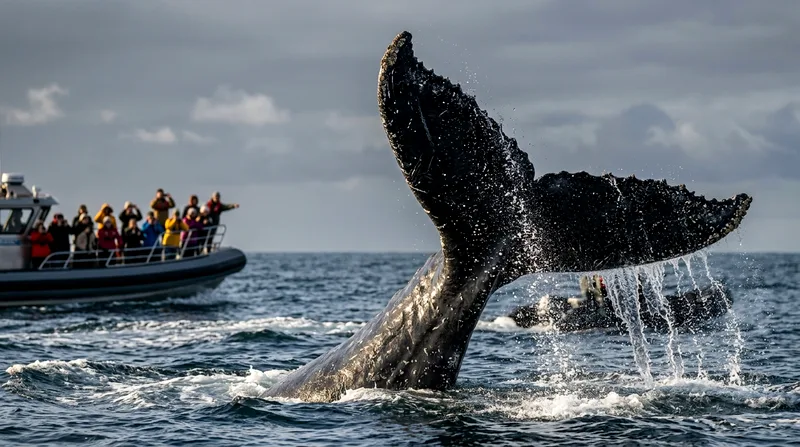
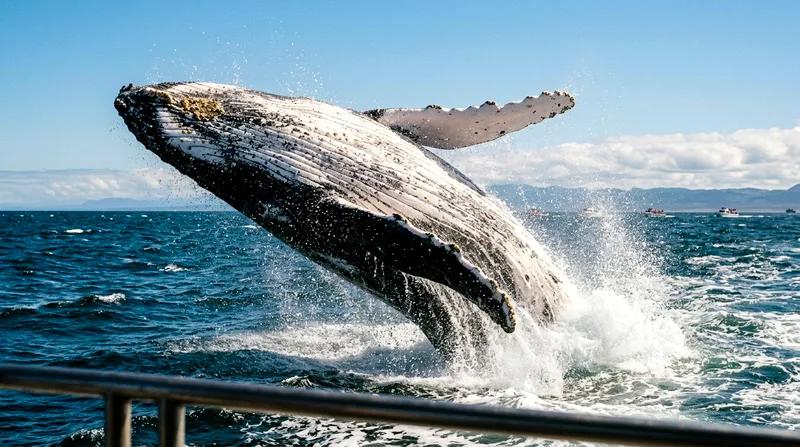
June through August is the most species-diverse stretch. Humpbacks are reliably present and known for breaching and tail-slapping, which makes for the photographs people actually want. Minke whales remain the most frequently spotted species by raw numbers. Harbor porpoises show up in smaller, quicker glimpses, and white-beaked dolphins are common enough that most summer trips report at least one dolphin encounter alongside whale sightings.
This is also when fin whales — the second-largest animal on Earth after the blue whale — are occasionally seen on longer tours venturing further into the bay.
Autumn transitions
September still delivers strong sightings, often with fewer crowds and slightly lower tour prices than July. By October, humpbacks begin their southward migration, so numbers start thinning. Minke whales and harbor porpoises remain the dependable sightings into early autumn, while dolphin pods become less predictable as water temperatures drop.
If you want summer-level odds without summer-level boat traffic, September is probably the best-kept-secret month on this list.
Winter residents
From November through March, minke whales and harbor porpoises are the species most likely to stick around Faxaflói Bay, though in smaller numbers than summer. Orca sightings increase in winter around Iceland generally, but they're concentrated more around Snaefellsnes and the Westfjords near Isafjordur than directly off Reykjavik, so don't book a Reykjavik winter tour specifically hoping for orcas — you'd have better odds joining a specialized winter orca trip based further north or west.
Seasonal Weather and Conditions
Weather in Reykjavik swings hard between seasons, and it directly affects both comfort and the practical success rate of a whale watching trip. Wind and swell matter more than temperature — a cold, calm day gives far better viewing than a mild, choppy one.
Daylight hours by season
Reykjavik sits close enough to the Arctic Circle that daylight swings dramatically. In June, you get close to 21 hours of daylight, meaning tours can run late into the evening without losing visibility. By December, daylight drops to roughly 4-5 hours, clustered around midday, which compresses the viable tour windows and explains why winter schedules often show only one or two departures a day instead of five or six.
For families with young kids, this matters practically: a midday winter tour works around nap schedules better than you'd think, while a summer evening tour means dinner gets pushed late.
Sea conditions and comfort
Faxaflói Bay is relatively sheltered compared to open-ocean routes out of Husavik or Hofn, which helps first-timers and anyone nervous about seasickness. Still, autumn and winter bring more frequent storm systems, and operators do cancel trips when swells get dangerous — expect this more often from October through February. Summer seas are calmer on average, though never guaranteed; a windy July morning can still bounce a small boat around.
If you get seasick easily, take motion sickness medication an hour before boarding regardless of season, and pick a boat with an enclosed cabin option rather than a fully open RIB boat.
Booking Your Whale Watching Tour
Reykjavik's Old Harbour is the departure point for most whale watching boats, and it's a genuine advantage over somewhere like Akureyri or Hofn, where whale tours exist but with far fewer daily departures. You're not choosing between one operator and nothing — in summer, several companies run competing schedules, which keeps the market reasonably competitive on timing and trip length.
Tour availability and frequency
In peak summer, expect multiple departures daily, often every 1-2 hours from mid-morning through evening. Trip lengths typically run 2.5 to 3.5 hours, sometimes longer for tours that also include puffin viewing near Akurey or Lundey islands, which only runs from roughly May through August while puffins are nesting. In winter, that schedule can drop to a single daily departure, usually around midday when light is best.
Advance booking recommendations
Book at least 2-3 days ahead in July and August, when popular time slots fill up, especially weekend mornings. In shoulder and winter months, booking a day or two in advance is usually enough, though weather cancellations mean it's worth checking the forecast before locking in a specific day if your schedule allows flexibility. Compare current whale watching tours and prices before you book — durations, boat types (RIB versus larger covered vessels), and combination puffin-whale packages vary enough that it's worth reading the fine print rather than booking the first option you see.
What to Expect Year-Round
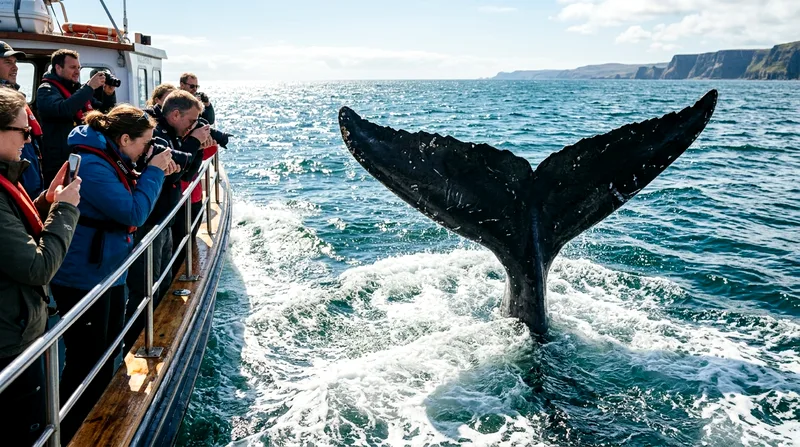
Whatever month you choose, dress warmer than you think you need to — sea wind cuts through regular jackets even in July, and most operators provide flotation suits precisely because summer on the water doesn't feel like summer on land. Bring layers, a hat, and if you have one, a zoom lens rather than relying on a phone camera; whales surface briefly and unpredictably, and a 50mm smartphone shot rarely captures anything beyond a dark smudge.
Compare this experience to Tromso or Bergen in Norway, where winter orca and humpback tours are the headline product — Reykjavik's advantage is the sheer frequency of departures and the shorter transfer from the airport in Keflavik, roughly 45 minutes to the harbor. You're not sacrificing much by choosing Iceland over Norway if your main goal is convenience alongside sightings, though Norway's winter orca concentrations in fjords near Tromso can be denser during peak season there.
Don't expect guaranteed sightings regardless of season — no operator can promise that, and any tour claiming a 100% rate should raise your skepticism, not your confidence.
Frequently asked questions
What is the absolute best month for whale watching in Reykjavik?
June and July generally offer the best combination of high sighting rates and long daylight hours, giving tour operators flexible scheduling and calmer average seas. August is nearly as strong and often has slightly thinner crowds than peak July. If you want the single highest-probability window with the most species diversity, aim for mid-June through mid-August.
Can you see whales in winter from Reykjavik?
Yes, tours run through winter, though less frequently — often just one departure a day around midday when light is best. Minke whales and harbor porpoises are the most consistent winter sightings; humpbacks have largely migrated south by then. Expect a real chance of weather cancellations between November and February, so build flexibility into your schedule.
Which whale species are most commonly sighted?
Minke whales are the most frequently seen species year-round in Faxaflói Bay. Humpback whales are the summer highlight thanks to their breaching behavior, present reliably from May through September. White-beaked dolphins and harbor porpoises round out most trip logs, while fin whales and blue whales are occasional, not guaranteed, sightings.
How does daylight affect whale watching tours?
More daylight means more departure times and generally easier conditions for spotting whales at a distance. In June, nearly 21 hours of light lets operators run evening tours; by December, only 4-5 hours of usable daylight compress trips into a narrow midday window, which limits how many tours run per day.
What is the success rate for whale sightings by season?
Summer tours commonly report sighting rates above 90%, based on operator-published figures, though this varies by week and company. Spring and autumn sit roughly in the 70-85% range. Winter success rates are lower and less consistently reported, partly because fewer tours run and partly because rough seas reduce visibility — always ask the operator for their recent rate when booking a winter trip.