Compare Reykjavik sea fishing tours by length, gear, catch-and-cook options & family suitability. Book the right fishing trip for your skill level.
Who Each Fishing Tour Suits
A Reykjavik sea fishing tour isn't one product — it's a spread of options from a gentle two-hour harbour loop to an eight-hour deep-sea run that leaves you sore the next day. The right pick depends less on how much you like fishing and more on how much motion, time, and cold you can tolerate.
Faxaflói Bay, the stretch of Atlantic water right off Reykjavik, is sheltered enough for most weather and shallow enough near shore to keep shorter trips calm. Further out, where boats chase cod and halibut, swells pick up and trips run longer. That distinction — inshore versus offshore — matters more to your experience than any marketing language about "deep sea fishing Iceland" packages.
Beginners and families
If you've never held a rod, start with a half-day trip departing from the Old Harbour. These are built around simple handline or light tackle gear, usually with a guide who baits hooks and untangles lines without making you feel incompetent. Kids from around age six can manage these trips reasonably well, especially on calmer summer sailings between June and August when daylight is long and the bay tends to be flatter.
Don't expect trophy fish on a beginner trip. You'll likely pull up cod, haddock, or smaller bottom-dwellers — perfectly good eating fish, not wall-mount material. That's fine for families; the appeal is the boat ride, the seabird colonies, and maybe a whale sighting, not the catch itself. Avoid booking a full-day offshore trip for young children — four or five hours of open swell with no facilities beyond a basic toilet wears kids out fast, and seasickness in a child who can't yet articulate how they feel is a miserable scenario for everyone on board.
Experienced anglers
Anglers who've fished before — and know the difference between a handline and proper rod-and-reel tackle — get more out of full-day or specialized charters. These trips run further into Faxaflói Bay or beyond, targeting cod, halibut, and occasionally larger catches depending on season and depth. Some operators offer jigging gear rather than bait fishing, which experienced anglers tend to prefer for both sport and better odds with halibut.
If you're after Arctic char rather than saltwater species, note that char is a freshwater fish caught in rivers and lakes, not on sea tours from Reykjavik — a common mix-up. Serious anglers wanting char should look at separate freshwater fishing day trips outside the capital, not a sea charter.
Main Fishing Tour Categories
Reykjavik's fishing tour market splits into a handful of recognizable formats. Knowing which category you're booking — not just the duration — tells you what boat size, what gear, and what crew-to-passenger ratio to expect.
Half-day vs full-day trips
Half-day trips typically run two to four hours and stay closer to the Old Harbour and inner Faxaflói Bay. They suit first-timers, families, and anyone slotting fishing between other Reykjavik activities like a Golden Circle tour or a Blue Lagoon visit the same day. Expect basic rod-and-reel or handline setups, a small crew, and a catch that's mostly cod or similar whitefish.
Full-day trips, usually six to eight hours, head further offshore where the chance of landing halibut or bigger cod increases. These suit travelers who've built a whole day around fishing and don't mind the extra cost and physical toll. The trade-off is real: a full day on open water means more exposure to wind, cold, and swell, and cancellation risk goes up because weather windows for longer offshore runs are less forgiving than for sheltered half-day routes.
Catch-and-cook experiences
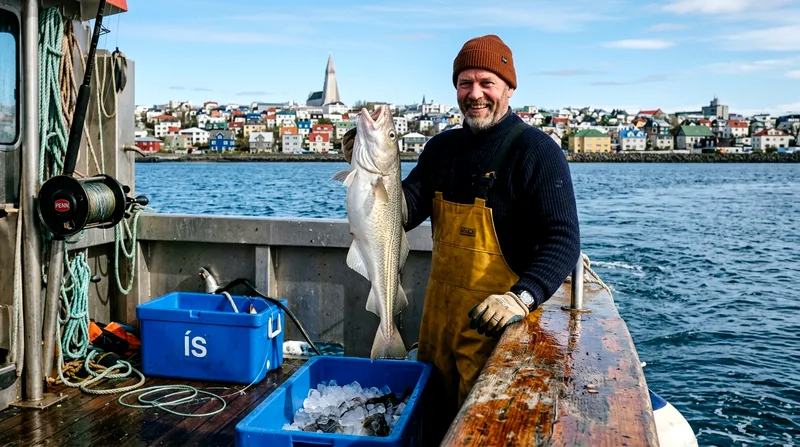
Several Reykjavik operators partner with harbour-area restaurants that will cook your catch the same day — a genuine highlight if you land something decent. Typically you bring your fish straight from the boat to a kitchen near the Old Harbour, and within an hour or two it's plated, often as a simple pan-fried fillet or chowder. This only works logistically with half-day or morning trips; if you're out eight hours and return at dusk, your catch-and-cook dinner slot may already be closed, so check timing before booking specifically for this reason.
Not every trip guarantees enough fish for a meal — bag limits and simple bad luck mean some passengers end up buying extra fish from the restaurant to supplement a thin catch. Ask the operator directly whether catch-and-cook is included, optional, or requires a minimum catch size before you commit.
Comparison: Tour Length, Gear & Add-ons
Beyond duration, the details that actually change your experience are what gear is included, whether the boat is a shared vessel or private charter, and what happens to your fish afterward.
Half-day trips from the Old Harbour suit families and beginners, while full-day offshore charters suit anglers chasing cod and halibut with proper tackle.
Reykjavik sea fishing tour categories compared by length, gear and family fit
| Tour Type | Typical Duration | Gear Provided | Best For | Catch-and-Cook |
|---|---|---|---|---|
| Harbour short trip | 2 hours | Handline, basic rod | Young kids, seniors, quick outing | Rarely offered |
| Half-day inshore | 3-4 hours | Rod and reel | Families, beginners, couples | Often available |
| Full-day offshore | 6-8 hours | Rod, reel, jigging gear | Experienced anglers | Sometimes, same-day return needed |
| Private charter | Flexible, 3-8 hours | Varies, often premium tackle | Small groups, serious anglers | Usually negotiable |
Durations and inclusions are typical ranges; confirm gear, catch limits and cook-your-catch availability directly with the operator before booking.
Equipment rental and inclusions
Most Reykjavik sea fishing tours include rods, reels, and bait in the base price — this is standard enough that you should be wary of any listing charging extra for basic tackle. Warm outer layers (flotation suits in particular) are usually provided too, since the Atlantic stays cold even in July, typically 8-11°C at the surface near Reykjavik. Bring your own base layers, gloves, and a hat regardless of season; the suit keeps you dry, not warm.
What's less standardized is whether fish cleaning and filleting is included. Some crews gut and fillet your catch on board at no extra charge; others leave it whole, and you'll need to arrange cleaning yourself at the harbour or restaurant. Confirm this detail if you're planning catch-and-cook, since a restaurant generally won't clean a whole fish as part of the cooking service.
Family-friendly options
Look specifically for listings that mention child-size life jackets, a maximum passenger count under 12, and a stated minimum age — many operators set this around 4-6 years old, though temperament matters more than the number. Boats with an enclosed cabin are a better bet for families than fully open deck boats, since kids can retreat from wind and spray without ending the trip early.
I'd steer families away from the longer offshore charters even if a child is technically old enough — the extra hours rarely add proportional enjoyment for a 10-year-old, and seasickness risk compounds with time at sea.
What to Look for When Booking
A good Reykjavik fishing charter listing answers four questions before you even ask: how many people are on board, what happens if weather cancels the trip, what's included in the price, and where exactly you depart from. The Old Harbour is the default departure point for nearly all tours, a five-minute walk from the Harpa concert hall and most downtown hotels, which makes logistics simple regardless of which operator you choose.
Group size and vessel type
Smaller boats — six to ten passengers — generally mean more individual attention from the guide, more rod space, and less waiting your turn to reel something in. Larger vessels carrying 20-30 people cost less per head but can feel crowded once everyone's lines are out simultaneously; tangled lines are common and mildly annoying rather than dangerous. If budget allows, a private or small-group charter is worth the premium for anyone traveling with mixed-ability groups, since the guide can tailor pace to the slowest or least experienced angler.
Cancellation policies
Weather cancels Reykjavik fishing tours more often than visitors expect, particularly from October through March when Atlantic storms roll through with little warning. Look for operators offering a full refund or free rescheduling for weather cancellations — this is standard practice among reputable operators, but it's not universal, so read the fine print rather than assume it. Avoid any listing with a vague "non-refundable" policy and no weather clause; that's a sign to book elsewhere or at least to check current prices and reviews on a few alternative listings before committing.
Booking a day or two in advance is usually enough in shoulder season, but in peak summer (June-August) popular time slots can sell out a week ahead, especially weekend mornings.
When to Book Your Fishing Trip
Iceland's fishing season runs essentially year-round for sea tours out of Reykjavik, unlike river fishing for salmon or char, which is strictly seasonal and licensed. May through September gives you the calmest seas, longest daylight, and the easiest seasickness experience — a real factor, since Faxaflói Bay can still produce a rolling swell even on a clear day. Winter trips run too and can be genuinely rewarding with fewer crowds and a chance at good cod fishing, but expect shorter daylight windows, colder hands, and a higher chance of last-minute cancellation.
For seasickness, take medication (like the common over-the-counter options such as dimenhydrinate or a scopolamine patch) at least 30-60 minutes before boarding, not once you're already at sea — by then it's too late for most remedies to work well. Eating a light meal beforehand and keeping your eyes on the horizon rather than your phone also helps more than people expect.
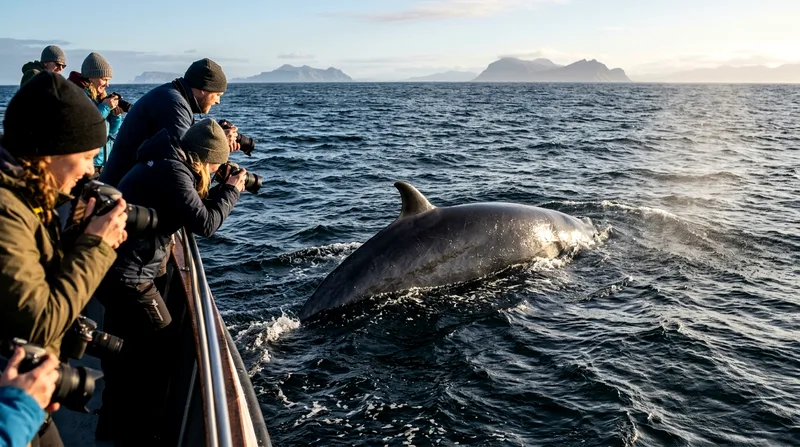
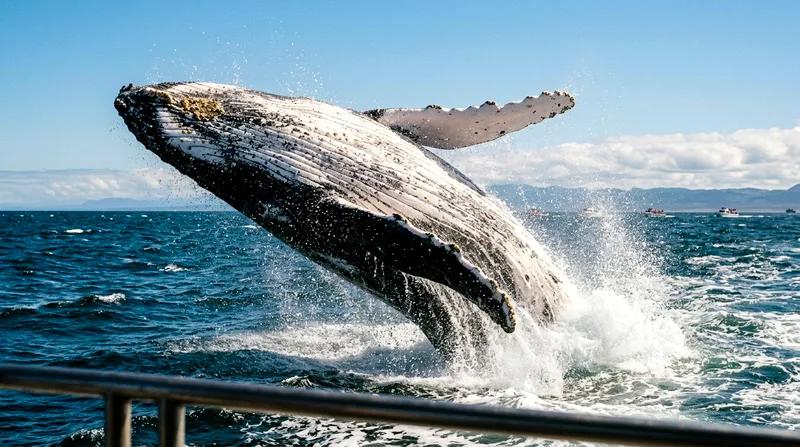
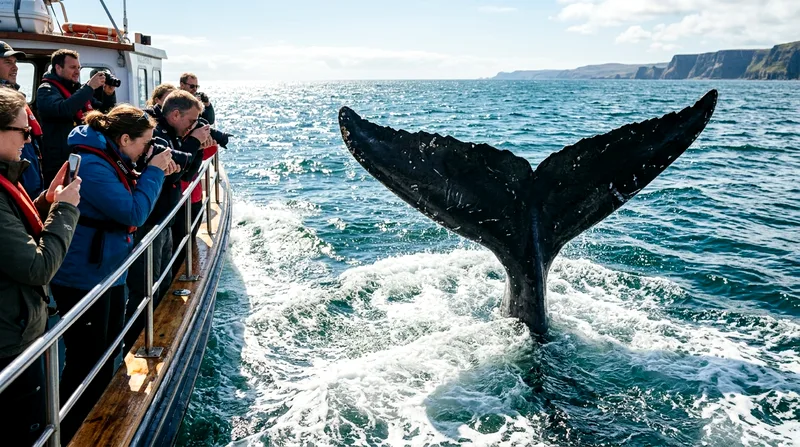
Compare this against land-based day trips if the ocean isn't your thing: a glacier hike or the Golden Circle covers scenery without the rocking boat, and both pair easily with an afternoon fishing trip the same day if you book the half-day format. Travelers coming from Akureyri or Husavik sometimes assume whale watching and fishing are interchangeable — they're not. Whale watching boats prioritize sightings and keep a respectful distance from marine life; fishing boats are there to catch fish, and you won't do both well on the same trip.
Frequently asked questions
Do I need fishing experience for a Reykjavik sea fishing tour?
No. Half-day and harbour trips are designed for complete beginners, with guides who bait hooks, explain basic technique, and manage the gear for you. Full-day offshore charters assume a bit more familiarity with rod-and-reel tackle, though guides will still help if you're new — just expect less hand-holding than on a beginner-focused trip.
What fish can I catch on tours from Reykjavik?
Cod is the most common catch in Faxaflói Bay, along with haddock and other whitefish on shorter trips. Full-day offshore charters increase your chances of halibut. Arctic char is a freshwater species caught in rivers and lakes, not on sea tours, so don't expect it on a Reykjavik harbour trip.
Are fishing tours suitable for children?
Yes, with the right trip. Choose a half-day or short harbour trip with an enclosed cabin and a stated minimum age (often around 4-6 years), and avoid full-day offshore charters for young kids — the longer time at sea and rougher swell make seasickness and boredom more likely.
What's included in the tour price?
Most Reykjavik sea fishing tours include rod, reel, bait, and a flotation or warm outer suit. What's not always included is fish cleaning/filleting or catch-and-cook arrangements — confirm these specifically, since policies vary by operator and trip length.
Can I cook my catch after the tour?
Often, yes — several operators partner with restaurants near the Old Harbour that will cook your fish the same day, usually within an hour or two of returning. This works best with half-day or morning trips; full-day charters returning late may miss the kitchen's service window, so ask about timing before you book.